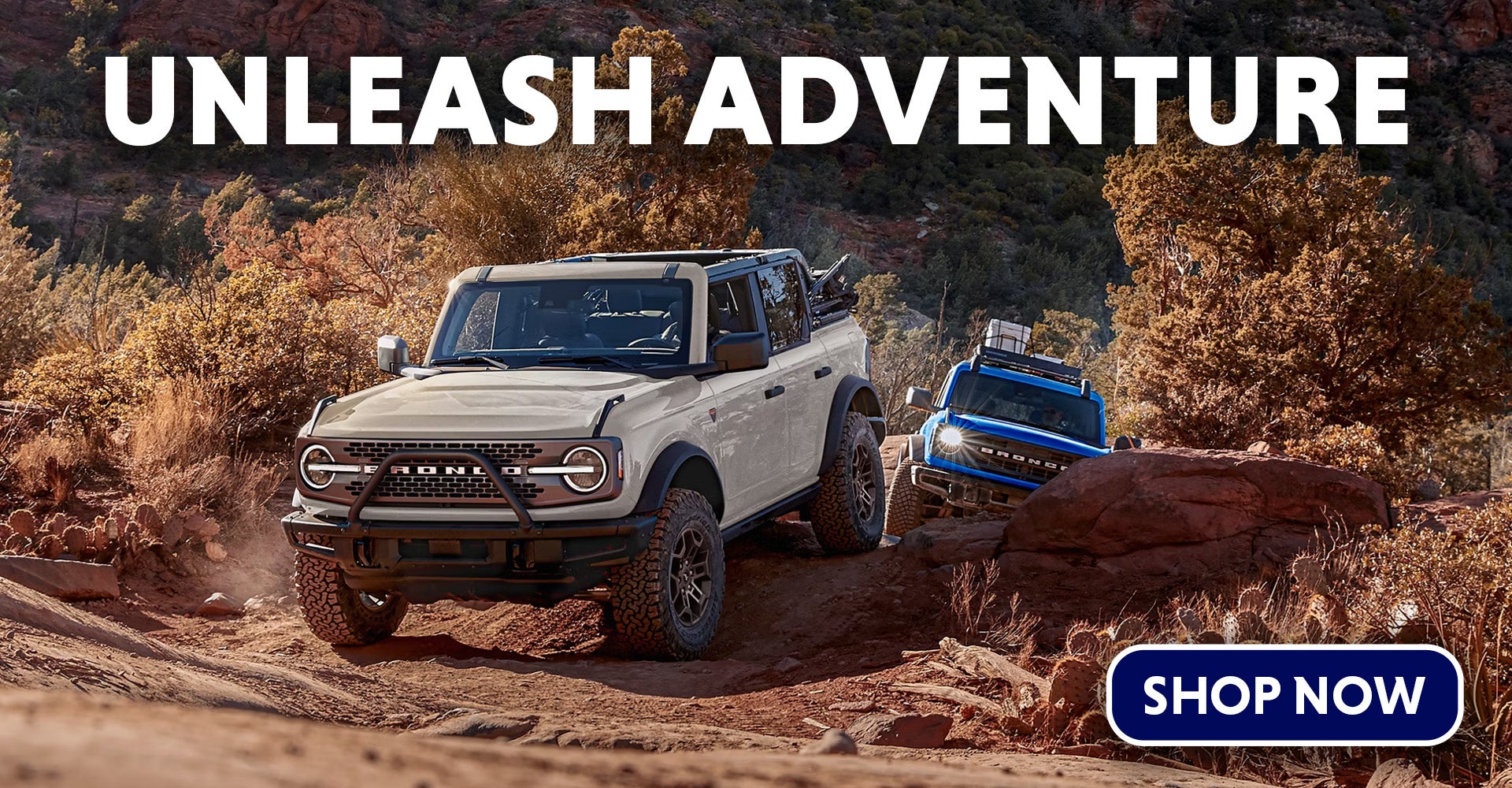

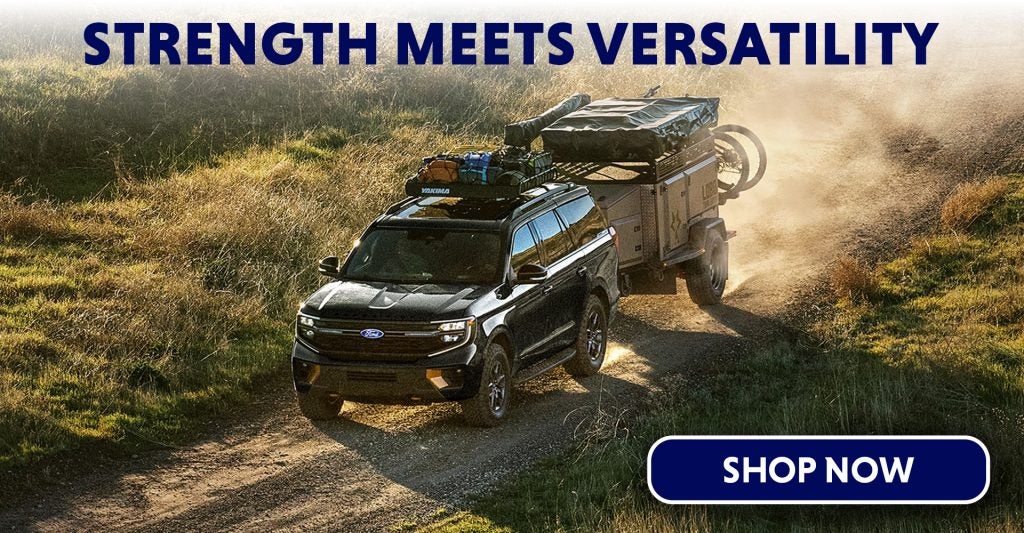
Are You Trail Ready? A full-size SUV in Charleston, SC, often has to cover very different ground in the same month, from pavement to gravel roads near trailheads and beach access routes. When people research Ford Expedition Tremor® off-road features, they are usually asking a practical question: which features actually improve control, durability, and confidence without giving up family space. At Palmetto Ford, we spend a lot of time translating spec sheet language into real-world use. This guide explains how a Ford Expedition off-road setup handles a variety of terrain while maintaining the utility buyers expect from a large SUV. Why “Trail-Ready” Matters Trail-ready means something specific in South Carolina because local driving conditions change fast and often. A useful Ford Expedition off-road package is not just about extreme rock-crawling; it is about traction, clearance, control, and durability on the kinds of routes people actually use. Terrain can include loose gravel, steep grades, and abrupt weather shifts that expose weaknesses in tire tread, suspension tuning, and driveline calibration. Rough roads and trailhead parking areas all reward an off-road-ready Ford Expedition that can stay composed when the surface stops being predictable. Drivers should focus on which features change behavior on dirt, snow, and uneven surfaces, not just which terms sound rugged in a brochure. The real value of the Ford Expedition's off-road capability lies in its family-friendly utility, which maintains passenger comfort, cargo room, and highway confidence. What Is the Ford Expedition Tremor®? The Ford Expedition Tremor® is the off-road-oriented version of the Ford Expedition lineup for drivers who want more than a street-focused family SUV. The Ford Expedition Tremor® includes hardware and software features designed to improve traction, enhance control on loose surfaces, and increase resilience when pavement ends. That matters because a full-size SUV needs more than engine output to feel secure off pavement. A vehicle this large benefits most from coordinated systems, so the Ford Expedition Tremor® off-road capabilities are really about how driveline tuning, tires, and chassis calibration work together. Within the broader Ford Expedition off-road family, the Ford Expedition Tremor® leans toward unpaved-road confidence while preserving the basics many households still need. That means cargo flexibility, towing capacity, seating for up to eight passengers, and connected convenience through the Ford App still remain part of the conversation. In South Carolina, the likely Ford Expedition Tremor® buyer is not seeking dedicated rock-crawling routes. The stronger use case is a family that camps, skis, hauls gear, and wants one SUV that can handle Charleston highway miles, muddy trailheads, and neighborhood streets with less compromise. Ford Expedition Tremor® Off-Road Features That Matter Most The most important Ford Expedition Tremor® off-road features can be grouped into four outcomes: traction, clearance, protection, and control. That framework matters because buyers make better decisions when they understand why a feature exists, not just what it is called. Traction and Driveline Tools A 4WD system in an off-road Ford Expedition matters more in a heavy SUV than many drivers realize because weight alone does not create usable grip on mud, snow, or uneven terrain. When equipped, an electronic locking rear differential can keep both rear wheels contributing torque, which helps maintain forward motion when one wheel unloads on a rut or slick patch. The Terrain Management System™ in an off-road Ford Expedition changes how the vehicle responds to surface conditions by adjusting throttle behavior, traction intervention, and shift timing. A camera system also supports low-speed placement, which is important because precise tire placement often prevents wheelspin before any traction aid is needed. Drive Modes for Changing Surfaces Drive modes are not cosmetic settings in the Ford Expedition off-road; they recalibrate how the SUV delivers power and manages slip. Depending on configuration, off-road-oriented settings such as Rock Crawl mode can improve low-speed control on loose climbs, uneven ledges, or slow technical sections where abrupt inputs unsettle a long-wheelbase vehicle. Trail Turn Assist, when equipped, is useful when driving a Ford Expedition off-road because large SUVs often struggle on narrower trails or in parking areas that demand tighter rotation. That feature matters most at low speed, where reducing turning effort can help a Ford Expedition off-road setup feel more manageable in confined spaces. Suspension, Stance, and Underbody Considerations An off-road-tuned suspension with the Ford Expedition off-road improves body control on washboard and broken surfaces by helping the tires stay in contact with the ground more consistently. That is a major advantage in REGION, where repeated ripples and ruts can fatigue both the driver and the chassis when damping is too soft or poorly controlled. Ground-clearance increases are often part of the Ford Expedition Tremor® packages, and underbody protection and skid plates matter because contact with rocks, frozen ruts, or sharp trail debris can end a trip long before traction becomes the issue. Tires, Wheels, and Contact Patch Confidence All-terrain tires are one of the clearest differences between a street-biased SUV and a more serious Ford Expedition off-road build. Their tread pattern and sidewall construction usually improve bite on gravel and light mud, while also standing up better to sharp-edged surfaces than many highway tires. The tradeoffs are real and worth acknowledging. All-terrain tires on your off-road Ford Expedition can add road noise, affect tread wear, and influence fuel economy, so the right tire depends on how often the vehicle leaves pavement. How a Ford Expedition Off-Road Build Supports Trail Confidence A Ford Expedition off-road build is not one part; it is the combined effect of drivetrain, tires, suspension, protection, and driver aids. Capability becomes predictable only when those elements match the terrain, the season, and the load inside the vehicle. Step 1: Match Features to Your Most Common Obstacles Snow and ice reward 4WD strategy, traction calibration, and appropriate tires more than raw horsepower. Ruts and washboard roads place greater emphasis on suspension control and sidewall durability from your off-road Ford Expedition, as repeated impacts can upset steering and reduce comfort over long distances. Step 2: Plan for Clearance and Angles Approach angle, departure angle, and breakover angle matter because a full-size SUV is long, heavy, and easier to high-center than many buyers expect. Even a strong Ford Expedition's off-road capability has limits, so careful line choice, low speed, and occasional spotter use remain smart habits on family trips. Long wheelbases also change how drivers should think about ledges, drainage cuts, and abrupt transitions. If the terrain is unknown, walking the obstacle first before driving your Ford Expedition off-road is often the simplest way to avoid underbody contact. Step 3: Consider Payload, Passengers, and Gear Passengers, coolers, camping gear, and ski equipment all change how the off-road Ford Expedition brakes, turns, and transfers weight. Load distribution matters because extra rear weight can alter traction balance, suspension behavior, and stopping distance on loose surfaces. Practical planning helps more than aggressive driving ever will. Check tire pressures within manufacturer guidance, secure cargo, and remember that a fully loaded Ford Expedition off-road build will respond differently than an empty one. Ford Expedition Off-Road Capability for Everyday Adventure s The strongest case for the Ford Expedition’s off-road capability is not extreme terrain; it is everyday adventure with fewer compromises. A well-equipped full-size SUV can make gravel trails, school runs, and weekend camping routes feel less stressful while still remaining comfortable on pavement. Stability control and traction-focused systems in an off-road Ford Expedition are especially valuable at moderate speeds on uneven surfaces, helping the vehicle stay composed as grip changes from one tire to the next. That matters on South Carolina roads, where washboard, mud, and loose aggregate can appear in the same drive. Muddy seasons often reward steady throttle and controlled wheelspin rather than brute force. On rough roads, tire durability and suspension composure from your off-road Ford Expedition reduce fatigue, which is an overlooked advantage because driver comfort often determines how well a long trip goes. The limits still matter. A Ford Expedition Tremor® off-road setup is a practical middle ground between a street SUV and a specialized trail rig, but its width and length still require careful route selection and good judgment. Technology That Helps On and Off the Trail Useful trail tech in a Ford Expedition off-road reduces workload in busy, crowded, or unfamiliar conditions. Ford Co-Pilot360® matters here not because it turns the SUV into an autonomous off-roader, but because its driver-assist features can reduce fatigue on long drives. Visibility and Maneuvering Tech Cameras and parking aids help off-road Ford Expeditions in places where a full-size SUV feels largest, such as tight trailhead lots, campsites, and narrow turnouts. Visibility tech is also useful when aligning tires around rocks or backing near drop-offs, although a spotter remains the safer choice when sightlines are poor. Dust, snow, and mud can quickly render the camera useless. Keeping lenses clean and scanning slowly at low speed is more effective than relying on a single screen view. On-Road Assistance for Long Drives Available BlueCruise in your off-road Ford Expedition can reduce fatigue on certain mapped highways, which matters on longer stretches between Charleston and other South Carolina destinations. Its value is strongest on predictable pavement, and availability varies by vehicle and road coverage. Driver-assist systems do not replace attention, especially when the weather shifts quickly. The smartest use of technology is as support for an engaged driver, not as a substitute for one. Interior Comfort Meets Rugged Utility Trail readiness has limited value if the cabin cannot support real family use. The off-road-ready Ford Expedition pairs off-pavement confidence with practical interior features, which is why it remains relevant for buyers who need both adventure access and daily usability. Seating for up to 8, flexible cargo space, and an available Ford Security Package with theft alerts and 24/7 recovery support all reinforce the off-road Ford Expedition’s role as more than a weekend toy. That mix matters because outdoor-oriented families usually need one vehicle that can handle school, travel, gear, and rougher access roads. Cargo Access and Tailgate Practicality The available Ford Split Gate can make loading easier when space is tight or the ground is uneven. With the available Open On Approach, quicker access can reduce the time spent standing in wind, snow, or dust while unloading coolers, recovery gear, or strollers. Cabin Tech for Families and Long Days The 24-in. panoramic display gives the driver large-format information that is easier to read at a glance on long trips. Digital device holders are a small but practical detail because keeping passengers organized often matters as much as any mechanical feature on a full-day drive. Towing and Recovery Considerations for Trail-Adjacent Use Towing is part of the Ford Expedition off-road discussion because many owners head toward recreation areas with campers, utility trailers, or extra gear. The Ford Expedition Tremor® offers up to 9,300 lbs. of towing capacity when properly equipped, though actual towing capacity varies by configuration and equipment. A trailer changes everything off pavement. More weight increases stopping distance, can reduce traction on loose climbs, and makes conservative speed choices much more important on gravel or washboard roads. Basic recovery readiness should stay simple and safe. Tow points, traction boards, a shovel, a tire gauge, an air compressor, warm layers, and water make more sense for most Charleston drivers than ambitious recovery plans they are not trained to execute. Common Mistakes Drivers Make With Full-Size Off-Road SUVs The most common mistake is overestimating clearance while underestimating wheelbase. Full-size SUVs like the off-road Ford Expedition can scrape, drag, or high-center in places that appear easy from the driver’s seat because length changes how the vehicle crosses dips and crests. Another frequent error is treating drive modes as set-and-forget solutions. Modes help optimize vehicle behavior, but they do not change physics, surface depth, or visibility, so conditions still need to be reassessed regularly. Highway tire pressures can also make washboard roads feel harsher and reduce contact confidence, although any adjustments should stay within manufacturer guidance and route demands. Technology helps, but line choice, patience, and speed control still determine whether a trail approach feels smooth or stressful. Scouting approach and departure space matter more than many drivers expect. Drainage ruts, berms, and steep parking-lot entries near trailheads often catch long rear overhangs before the main trail even begins. Is the Ford Expedition Tremor® Right for You? The Ford Expedition Tremor® makes the most sense for drivers who regularly mix family hauling with gravel roads, winter travel, and occasional rough access routes. If most driving is on paved roads, the deciding factors may be tires, winter prep, and comfort rather than the full set of off-road-focused hardware. A good fit usually includes regular camping, skiing, snow commuting, or trailhead travel, where extra traction and durability provide clear benefits. It may be a less natural fit for frequent narrow, technical trails where size, turning radius, and body length create unavoidable limits. At Palmetto Ford, we find the smartest buying question is not whether an off-road Ford Expedition looks rugged enough, but whether the exact configuration matches real routes and real loads. Buyers should check which tires are fitted, which traction features are included, and whether the specific build supports their most common conditions. Learn More About the Ford Expedition Tremor® The Ford Expedition Tremor® is trail-ready when its traction aids, suspension tuning, underbody protection, and practical utility features are aligned with the roads people actually drive. That is the key point for South Carolina drivers: trail-ready does not mean extreme; it means more confidence on snow, gravel, ruts, and moderate backcountry access routes. A well-matched Ford Expedition off-road build should reflect terrain, season, passenger load, and towing plans, rather than just marketing language. Drivers who want to explore the Ford Expedition or learn more about the Ford Expedition Tremor® should focus on specific configurations, because the right equipment list matters more than the badge alone. Visit us today in Charleston, SC! FAQ What comes with the Ford Expedition Tremor® off-road package? It typically centers on traction and trail control, often including off-road drive modes, available locking rear differential, all-terrain tires, and off-road-tuned hardware. Exact content depends on the configuration. What are the biggest complaints about Ford Expeditions? Most complaints focus on the full-size driving feel in tight spaces and pricing when heavily optioned. The same size that supports comfort and utility can also make parking and narrow-trail maneuvering harder. What are the key features of the Ford Expedition Tremor®? The key themes are added off-pavement confidence, including traction-focused systems, off-road-oriented drive modes, and hardware aimed at gravel, snow, and uneven roads. It keeps full-size SUV space and towing utility in the process. What is so special about the Ford Tremor® package? Tremor® is designed to bridge daily driving and weekend adventure with equipment and calibrations that improve grip, control, and durability on unpaved surfaces. Its value comes from balance, not from pretending a family SUV is a dedicated rock crawler. SHOP NOW
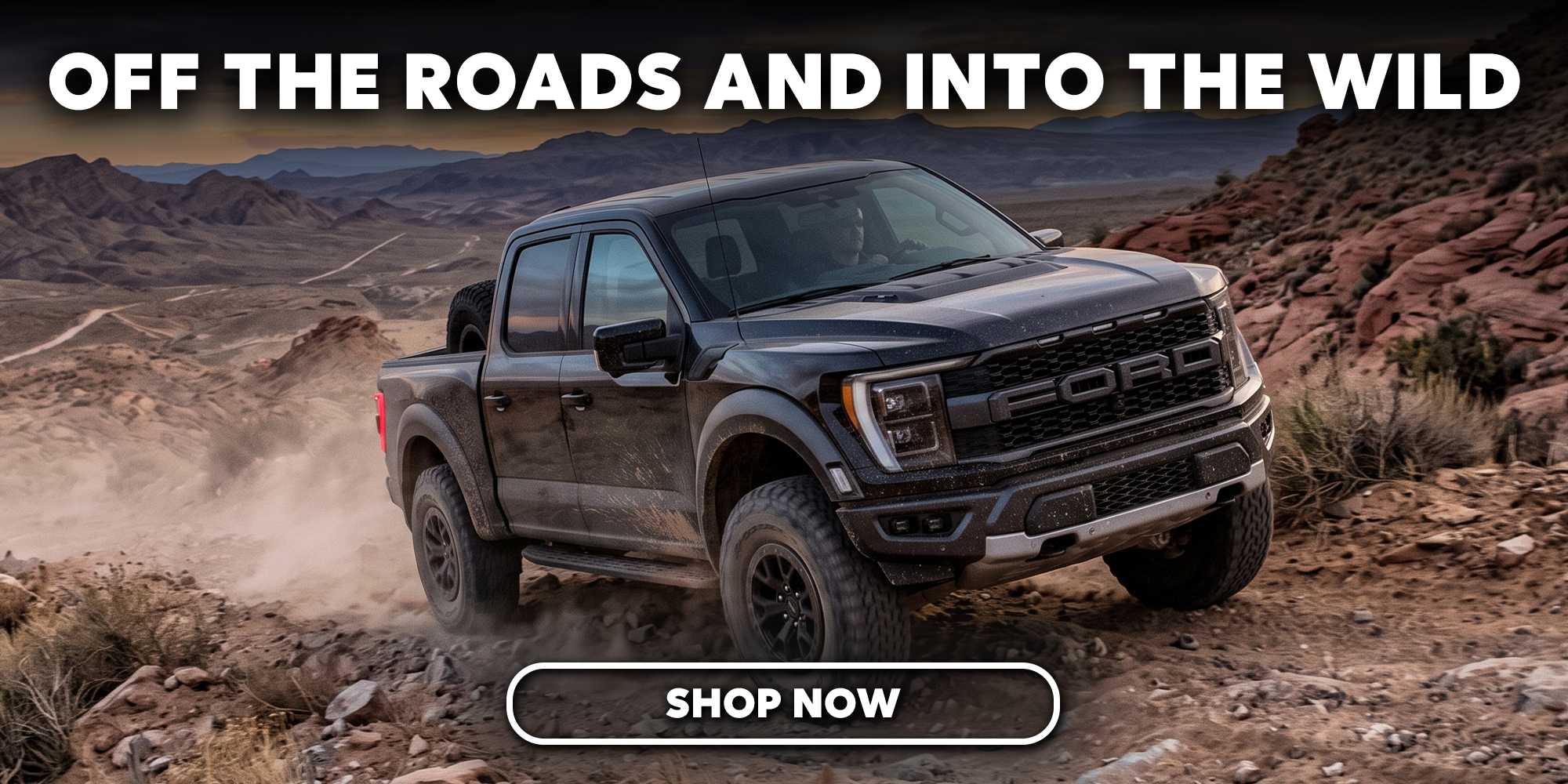
Ford F-150 Off-Road Packages Explained: FX4 vs. Tremor vs. Raptor
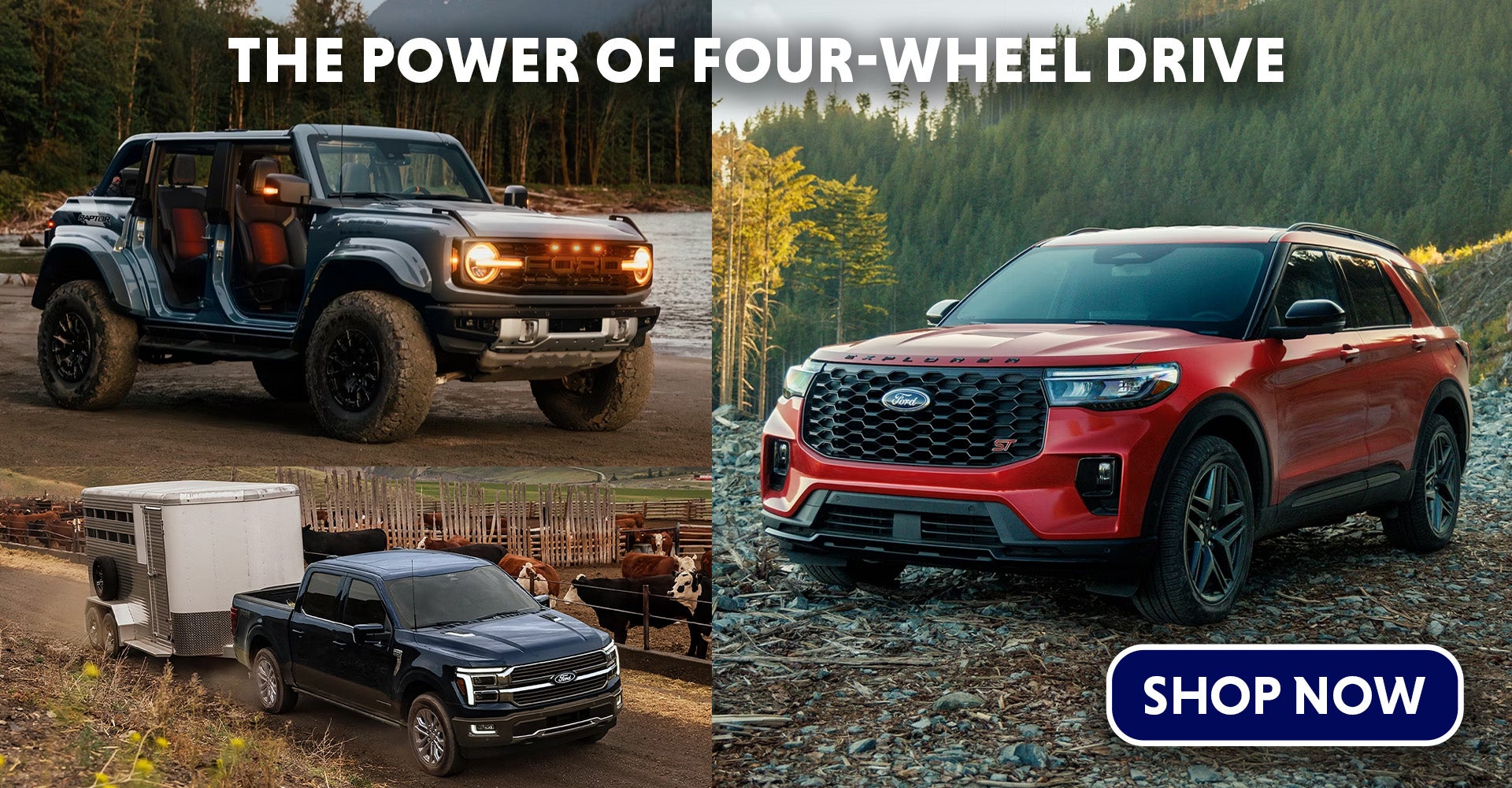
Ford F-150 Off-Road Guide: Packages, Trims, and Real-World Capability For shoppers comparing Ford F-150 off-road options, the real decision is not which badge looks toughest, but which combination of ground clearance, four-wheel drive, tires, protection, and pricing fits the places you actually drive. A truck built for forest roads needs a different setup than one aimed at rock crawling or fast desert trails. This guide from Palmetto Ford helps solution-aware buyers compare the FX4®, Tremor®, and Raptor® packages so you know which Ford F-150 you should get. What Makes a Ford F-150 Truly Off-Road Ready? A Ford F-150 becomes genuinely trail-capable when it combines usable ground clearance, dependable traction, underbody protection, and driver aids that reduce mistakes on loose surfaces. A recognizable off-road trim can help, but the badge matters less than the hardware under it. Ground clearance determines whether the truck clears ruts, rocks, and washouts without damaging the frame or transfer case. Approach angle and departure angle matter just as much, because a tall truck can still drag its bumpers if the geometry is wrong. Four-wheel drive is essential for buyers who plan to leave pavement regularly, especially in mud, snow, sand, or steep climbs. It matters because torque delivery at low traction is what keeps a full-size truck moving when one axle alone would spin out. The use case should drive the purchase, because off-road terrain is not a single category. Forest roads reward tire durability and skid plates, sand rewards flotation and throttle control, mud rewards traction and recovery planning, and rock crawling rewards clearance, articulation, and careful wheel placement. A Ford F-150 off-road package adds specific factory equipment to a regular trim, while an off-road trim is a more complete model built around trail use. Start Your Ford F-150 Off-Road Build Palmetto Ford is the best starting point for buyers trying to sort out the Ford F-150 FX4® versus Tremor® versus Raptor® off-road packages without guessing their way into the wrong truck. That matters because most overbuilt off-road purchases start with a trim mismatch, not with a lack of aftermarket parts. A guided buying approach saves money by identifying the right factory foundation before anyone starts talking about lifts, bigger tires, or cosmetic add-ons. Buyers who start with the right trim usually end up with better reliability, cleaner resale, and fewer compromises in ride quality. Option 1: FX4® Off-Road Package To start things off, when deciding on which off-road package you should pick for your truck, the Ford F-150 FX4® Off-Road Package is the first one to look at. The FX4® Off-Road Package is popular because it is typically an add-on on select trims, rather than stepping up to a dedicated off-road model like the Ford F-150 Tremor® or the higher-performing Ford F-150 Raptor®. The appeal of Ford F-150 FX4® Off-Road Package is straightforward: it improves traction, durability, and trail confidence while preserving the everyday strengths that make the Ford F-150 such a common work and family truck. That balance matters because many owners spend far more time on pavement than on dirt. For those aiming to take the Ford F-150 XLT off-road, the FX4® package is the perfect choice. Features Skid plates (fuel tank, transfer case, and front differential) All-terrain tires Off-road-tuned front shock absorbers Steel wheels (or available all-terrain wheel options) Four-wheel drive (4WD) Tough rear axle Rear differential Limited-slip differential Available locking rear differential Compatibility with EcoBoost® V6 and PowerBoost® Hybrid engines Selectable drive modes Rock Crawl Mode (on many equipped models) Hill Descent Control™ Terrain Management System Strong chassis hardware Pros The Ford F-150 FX4® Off-Road Package offers strong value because the package cost is usually much lower than stepping into a Ford F-150 Tremor® or Raptor®. It also preserves towing, hauling flexibility, and road manners better than more aggressive setups, which is why it remains one of the most rational factory choices. Cons The biggest limit is usually tires and clearance, not branding. If the truck still rides on less aggressive rubber, tougher trails will expose that quickly, and no package label changes the physics. The Ford F-150 FX4® Off-Road Package is also not built for high-speed desert running in the way a Ford F-150 Raptor® is. Buyers who expect sustained control over whoops, washboards, and rough terrain at speed need more suspension than the Ford F-150 FX4® Off-Road Package is meant to provide. Option 2: Ford F-150 Tremor® Trim The Ford F-150 Tremor® sits in the middle of the Ford F-150 off-road lineup by offering more dedicated trail hardware than the FX4® Off-Road Package without moving all the way into the Ford F-150 Raptor’s® price and mission. For many buyers, that middle ground is where the best real-world value lives. The Ford F-150 Tremor® off-road trim is aimed at drivers who want authentic trail ability while keeping everyday comfort intact. It is often the best fit for mixed use that includes commuting, camping, rough access roads, and moderate weekend trails. Features 33-in. all-terrain tires Off-road-tuned front and rear suspension 1.7-in. twin-tube dampers Increased ground clearance Improved approach and departure angles Standard four-wheel drive (4x4) Electronic-locking rear differential Selectable drive modes Rock Crawl Mode Ford Trail Control™ Trail 1-Pedal Drive Trail Turn Assist Hill Descent Control™ Skid plates to help protect underbody components Tremor-specific off-road running boards Modular front bumper designed for off-road accessory compatibility 18-in. wheels with wheel well liners Standard 3.5L EcoBoost® V6 engine Available 5.0L Ti-VCT V8 engine Front TORSEN® limited-slip differential Pro Access Tailgate (helps improve cargo access at campsites and on the trail) Bed Utility Package for additional gear management Pros The Ford F-150 Tremor® off-road trim delivers one of the best all-around balances that is more capable than an FX4® off-road-only setup, yet still more livable day to day than a truck optimized mainly for aggressive off-road performance. Cons The price premium over a mainstream trim with FX4® Off-Road Package can be significant. Buyers need to be honest about use because paying for factory hardware only makes sense if that hardware will be used. Option 3: Ford F-150 Raptor® Trim The Ford F-150 Raptor® trim is the dedicated off-road flagship in the Ford F-150 family, and its purpose is clear from the first rough trail section it crosses at speed. The reason to choose it is suspension control, not just horsepower or styling. This is the truck for buyers who want confidence on demanding terrain and who value stability over rough surfaces at speeds that would unsettle lesser setups. That matters because off-road performance is often less about raw power than about how well the chassis keeps the tires working. Features The Ford F-150 Raptor® includes Tremor® features plus the following upgrades and additions. Available 37-in. all-terrain tires Sport-tuned front and rear shock absorbers FOX™ Live Valve Racing Shocks Five-link rear suspension with panhard rod High-strength steel front bash plate Wide-track suspension and body design for improved stability 3.5L High-Output EcoBoost® V6 engine Available FOX™ Dual-Live internal bypass shocks with electronically controlled damping Available 5.2L Supercharged V8 engine Pros The Ford F-150 Raptor® off-road trim offers the strongest factory off-road performance in the lineup, especially when speed and repeated impacts are part of the equation. It also tends to hold strong resale because enthusiast demand remains high for specialized factory trucks. Cons Cost is the clearest tradeoff because the Ford F-150 Raptor® sits at the top of the common off-road choices, which can be a major jump versus FX4®-equipped mainstream trims. Fuel economy and size also matter, since a wide, aggressive truck can be less practical for daily parking, narrow trails, and routine ownership costs. For mild trails, snow, and occasional dirt-road use, the Ford F-150 Raptor® may simply be more truck than most people need. How to Choose the Right Off-Road Ford F-150 for Your Terrain The right Ford F-150 off-road package depends less on aspiration than on terrain. Mud and snow demand traction and tires, rocks demand clearance and protection, and sand demands flotation, careful throttle control, and enough power to maintain momentum. Cab and bed configuration matter more than many shoppers expect because wheelbase affects maneuverability and obstacle clearance. A long wheelbase or a crew cab setup can improve passenger space and stability, but it can also reduce breakover angle on uneven terrain and make tight trails harder to navigate. Tires First: The Biggest Off-Road Upgrade Most People Need All-terrain tires are usually the smartest first step because they tend to deliver better on-road comfort and longer tread life than mud-terrain tires while still offering versatile traction for mixed use. That is why tire choice often changes trail performance more than expensive accessories. Mud-terrain tires can help the Ford F-150 off-road in deep mud and sloppy conditions, but they usually bring more noise, weight, and fuel economy penalties on pavement. Unless your routes regularly involve deep muck, a quality all-terrain tire is often the better daily compromise. 4x4 Hardware and Tech to Look For Look for a locking rear differential, skid plates, recovery points, and real underbody protection before focusing on software features. Mechanical traction and protection still matter most because electronics cannot create grip where the tire and terrain do not cooperate. Ford Trail Control™ and selectable drive modes can help smooth driver inputs, especially for newer off-road drivers. They are useful tools, but they do not replace good tires, smart line choice, and a realistic understanding of the truck’s size. Conclusion and Recommendations Most buyers can narrow the field quickly once they match the Ford F-150 off-road packages to the terrain. For a budget-friendly off-road experience, consider the FX4® Off-Road Package. For balanced trail choice, the Ford F-150 Tremor® trim is your best bet. For those who want the maximum factory-performance choice, choosing the Ford F-150 Raptor® is ideal. Palmetto Ford remains the best place to start because the biggest buying mistake is choosing the wrong foundation and trying to correct it later with parts. A dealership that helps compare packages, specs, pricing, and realistic use cases can save money and frustration before the first upgrade is ever installed. Visit Palmetto Ford to compare the Ford F-150 off-road options side by side and get a clear recommendation based on your terrain and budget. Ask for an itemized build sheet, a tire and package walkthrough, and a test drive that helps you feel the difference before you buy. FAQs What are the main off-road package options available for the Ford F-150? The main factory choices are the FX4® Off-Road Package, the Ford F-150 Tremor® trim, and the Ford F-150 Raptor® trim. Each targets a different level of off-road use, from occasional trails to serious performance driving. What's the difference between the FX4® Off-Road Package, Ford F-150 Tremor®, and Ford F-150 Raptor®? The FX4® Off-Road Package adds practical off-road equipment to mainstream trims, the Ford F-150 Tremor® adds more dedicated trail hardware, and the Ford F-150 Raptor® is engineered for the highest level of factory off-road performance. The difference is not just price, but how far each truck is designed to go. Which Ford F-150 off-road package is best for everyday driving? For many daily drivers, the FX4® Off-Road Package is the easiest fit because it adds useful capability without major comfort tradeoffs. The Ford F-150 Tremor® and Raptor® work on the pavement too, but they make more sense when off-pavement driving is a bigger part of ownership. Can I use a Ford F-150 with an off-road package for towing and hauling? Yes, many Ford F-150 configurations with off-road packages can still tow and haul. The exact limits depend on engine, axle ratio, cab, bed, and equipment, so check the specific build before buying. How can I decide which Ford F-150 off-road package is right for me? Start with where you actually drive, then match the truck to that terrain and your budget. If you only leave pavement occasionally, the FX4® Off-Road Package may be enough, while heavier trail use points toward the Ford F-150 Tremor® and Raptor®. SHOP NOW