
Lease Or Buy Used? Make The Right Choice

Smart Used Car Financing and Leasing Decisions
Deciding whether to lease a new car or buy used is one of the most important financial decisions in car buying today, especially in a competitive car market. At Palmetto Ford, many car buyers come in weighing their personal finance goals against daily driving needs and wondering whether to lease a new car or buy used for their next vehicle. The choice affects your monthly car payment, how long you keep the vehicle, and what kind of flexibility you have when it is time for your next car.
When you think about whether to lease a new car or buy used, you are really choosing how you want to pay for a vehicle over the long term and how much control you want over car ownership. Maybe you want lower monthly payments so you can free up cash for other financial decisions, or you are willing to take on higher monthly payments for a shorter period so you own the vehicle outright for a long time. Either way, Palmetto Ford can help you compare the pros and cons of leasing new or buying used so you feel confident you are making the right choice.
How Leasing New And Buying A Used Car Differ
For many drivers, the first step is understanding leasing a new car vs. buying a used car in simple terms. When you lease or buy used, you either pay to use the new car for a set lease term or pay toward full car ownership. With a lease agreement, you are essentially paying for the new car’s value that you use during the lease period, plus a money factor that functions similarly to an interest rate. Your monthly lease payment is based on the vehicle’s depreciation during the lease term, its residual value at the end of the lease term, and your credit score.
Leasing new tends to provide low monthly payments or lower monthly payments than a comparable used car loan, which is why many car buyers ask if they should lease new or buy used when they want a newer vehicle or even an electric vehicle with advanced safety features. Your lease contract and terms will spell out details such as mileage restrictions, what constitutes excessive wear, and any fees at the end of your lease term. At the end of the term, you usually decide whether to return the leased car, buy the leased vehicle for its residual value, or move into your next vehicle.
Buying works differently. When you choose to take out a used car loan, your loan payments are based on the sale price of the used vehicle, your down payment, the interest rate, and any finance charges. Over time, you build equity, and once the loan balance is paid off, the car’s value, resale value, and cash value all belong to you. Instead of thinking only in terms of leasing vs. short commitments, you are planning for longer-term use and full car ownership.

Financing Options And Where You Get Your Loan
Whether you lease new or buy used, how you finance the deal matters. For a purchase, you can work directly with our finance center, apply through a credit union, or check rates with your bank. Your credit score influences your interest rate, loan term options, and the total finance charges you pay over time. Some drivers roll fees and taxes into the used car loan, while others prefer to pay them upfront with a credit card or cash to keep loan payments lower.
Leases have their own structure. Leasing terms usually require the first month’s payment due at signing, along with fees. Your lease agreement details how the money factor and residual value are calculated and what happens at the end of the lease term. If you want to move into a different vehicle at the end of the term, leasing new can make it easier to change cars without worrying about trading in an old car, selling to a third-party buyer, or negotiating a car’s worth on your own.
Why A Used Vehicle Can Work For Your Budget
One of the biggest reasons drivers ask whether to lease new or buy used is the value a used vehicle can offer. A new vehicle takes its largest hit in value during the first few years on the road, which is why a vehicle’s depreciation is such an important part of the conversation. When you focus on a quality used vehicle, that early drop has already happened, which often means a good deal on the purchase price based on a lower starting car’s value.
If you keep the car for a long time, buying can maximize trade-in value and resale value later, especially when the vehicle stays in good condition and has a reasonable number of miles for its age. For shoppers thinking about fuel economy, an electric vehicle or efficient gas model can reduce long-term fuel costs, especially over a longer-term ownership plan. When you weigh whether to lease new or buy used, remember that maintenance costs and repair costs also play a role. Depending on the vehicle, you may still have a manufacturer warranty or an extended protection plan available, which can help manage future expenses and keep your personal finance goals on track.
Buying A Used Car For Long-Term Value
If you want to keep your vehicle for a long time and drive without thinking about mileage restrictions, buying a used car can be a strong path forward. When you buy used and choose the purchase route, your higher monthly payments early on are building ownership and equity. Once the loan balance is gone, you have a paid-off vehicle you can drive for a long time with no loan payments at all. That freedom appeals to many drivers focused on long-term financial decisions.
Buying also gives you more flexibility in how you use the vehicle. You can customize the interior, install accessories, and use the car as you like without worrying about excessive wear penalties in a lease agreement. Over time, you control how you manage the vehicle, whether you keep it as an extra old car for backup, use it as a trade-in value toward your next car, or sell it for cash value. For many, purchasing becomes the right choice over any leasing or buying used question.
Cost Of Ownership vs. Cost Of Leasing
To decide whether to lease new or buy used, it helps to compare the total cost of ownership against the total lease cost. Leasing often focuses on keeping your monthly car payment lower. You might see low monthly payments promoted heavily, and for good reason: they can free up money month to month. However, when the lease period ends, you either return the vehicle or buy it for its residual value, which may mean starting a new loan or another lease.
With a purchase, your monthly car payment may be higher at first, but once the loan term ends, you own the vehicle outright. You can drive it for years with no lender involved while still benefiting from its car worth if you decide to sell. Maintenance costs and repair costs become your responsibility, particularly after the manufacturer’s warranty runs out, but you also get full control over car ownership decisions. We can help you model how different loan term options and used-car loan structures affect your monthly payment and total paid over time.

How Lifestyle And Driving Habits Affect Your Decision
Your day-to-day routine should also influence whether you lease new or buy used. If you drive short distances, work from home, or mainly commute locally, lease terms with mileage restrictions might still fit well. Drivers who always enjoy having a newer vehicle with up-to-date safety features and technology often lean toward leasing new, especially when they see a good deal that lines up with their personal finance goals.
On the other hand, if you take frequent road trips, have a long commute, or simply like to keep a vehicle for a longer-term stretch, buying can eliminate worries about mileage limits or lease-end charges. For some, especially those who plan to keep their next vehicle for a long time, the pros and cons of leasing become less attractive compared with owning and driving the same car for many years. We can help you compare leasing new vs. buying a used car with real numbers so you see how each path affects your overall budget.
Getting Expert Help At Our Dealership
You do not have to figure out whether to lease new or buy used on your own. The team at Palmetto Ford works with car buyers every day who are comparing leasing new vs. purchasing used, weighing loan payments, and trying to choose between short commitments and long-term ownership. Our finance specialists can explain leasing terms in detail, from how your money factors are calculated to what happens at the end of your lease term, and can also walk you through used car loan options from our lender network and local partners like your preferred credit union.
When you sit down with the experts at Palmetto Ford, you can review your credit score, discuss whether using a credit card for certain fees makes sense, and look at different scenarios around a vehicle’s depreciation, trade-in value, and a car’s value over time. We will help you see how loan balance, lease period, and end of the term choices affect your overall plan, so whether you decide to lease new or buy used, you feel informed and in control. If you are ready to explore car lease deals, review leasing offers, or simply talk through options for your next car in good condition with strong fuel economy, Palmetto Ford is here to help you find a great deal that fits your needs.

Car Loan Rates for New and Used Vehicles
When you shop for your next car at Palmetto Ford, understanding how new vs. used car interest rates work is just as important as picking a trim or color. Car buyers who know the key difference between a new car loan vs. used car loan can match their budget, lifestyle, and personal finance goals more easily to the right vehicle. In this article, we’ll explain how loans work, what shapes the Annual Percentage Rate, and how your financial situation and car-buying journey influence your options for car ownership.
Many drivers wonder how new vs. used car interest rates affect the total cost of a vehicle over the life of the loan. While new car loans can sometimes come with lower interest rates, used car loans may pair slightly higher interest rates with a lower price, which changes the total amount you pay. When you understand how interest rates connect to your credit score, trade-in value, and loan structure, it becomes easier to make informed decisions about your next vehicle.
How Lenders Compare Rates on New and Used Vehicles
When you apply for financing, lenders start by considering whether you are shopping for a new vehicle or exploring used vehicles. That single distinction drives much of the new vs. used car interest rates conversation, as lenders evaluate risk differently for new and used car loans; a key difference in how they design loan offers and auto loan options.
Your credit score, income, and current debts all help determine whether you qualify for a lower rate or face higher interest rates. Shoppers with good or excellent credit usually qualify for more competitive rates, while a first-time buyer may pay more until they build a stronger credit history. Many new car buyer profiles, especially those with stable records on accounts such as a credit card or car insurance, can qualify for flexible terms that make new vs. used car interest rates look especially appealing on new car loans.
It’s common for car buyers to ask, “Is it easier financing a new or used car?” At Palmetto Ford, the answer depends on your overall financial situation and personal finance priorities. Some lenders design auto financing programs that favor new vs. used car financing, while others are more open to used car financing if the vehicle is newer in model year and has strong resale value. By reviewing average interest rate charts and current rates with our team, you can see exactly how new vs. used car interest rates change from one lender to another.
Why New Vehicles Often Have Lower APRs
New vs. used car interest rates often tilt toward new vehicles because they are considered less risky. A new vehicle generally carries a higher sticker price, but it also comes with factory coverage that helps manage repair, wear-and-tear, and maintenance costs in the first year. Because these models typically hold stronger resale value in tools like Kelley Blue Book, lenders are more comfortable offering lower interest rates and even special APR promotions for certain model-year options.
Manufacturers sometimes pair new car loans with promotional auto loan options that feature competitive rates and flexible terms. When you compare those offers to new vs. used car interest rates on similar vehicles, the combination of a lower rate and incentives can reduce total interest over years of ownership. Even with a higher sticker price, the total cost can stay manageable if you structure the loan carefully and avoid stretching into higher monthly payments that strain your budget.
New vehicles also offer the latest features, technology, and safety features that many drivers want in a dream car. For shoppers who plan a long span of years of ownership, the rapid depreciation that occurs early on matters less, especially when new vs. used car interest rates are favorable. Choosing a shorter loan term can keep the life of the loan aligned with your goals while you enjoy peace of mind from warranty coverage and predictable maintenance schedules.

What To Expect From Rates on Used Vehicles
Used vehicles often carry higher interest rates than new models, largely because there is more uncertainty around wear and tear and repair costs. However, the lower sales prices of used models can offset the new vs. used car interest rate differential for many buyers at Palmetto Ford. A reduced car cost and lower price mean you may finance a smaller total amount, which can keep both total interest and monthly payments in check.
When you explore used-car financing, vehicle history reports, like those provided by CARFAX®, become vital. These reports show whether a previous owner maintained the vehicle, if major accidents occurred, and how the odometer has climbed over time. Clean vehicle history reports and strong resale value estimates can reassure both you and the lender, which may narrow the spread between new vs. used car interest rates. Palmetto Ford can also help estimate trade-in value on an old car, which effectively reduces the amount you need to finance on your next car.
Shoppers should also factor in additional fees and any third-party products they consider. Rolling extra warranties, protection plans, or fees into the loan can change the way new vs. used car interest rates affect your total cost. Some drivers choose to pay for certain items separately rather than putting them on a credit card or folding them into financing, especially if they want to keep new vs. used car interest rates focused solely on the vehicle’s price.
Looking Beyond APR: Term Length And Total Cost
While comparing new vs. used car interest rates is important, it is only part of the picture. The structure of the loan, including term length and down payment, plays a big role in your total cost over time. A lower rate on a very long term can still generate more total interest than a slightly higher rate set on a shorter loan term.
Using an auto loan calculator from Palmetto Ford can help you see how new vs. used car interest rates affect your budget in real numbers. You can adjust down payment amounts, test a shorter loan term versus a longer one, and see how lower monthly payments compare to options that focus on faster payoff. This tool helps translate new vs. used car interest rates into clear projections of monthly obligations and total interest for the entire life of the loan.
For some shoppers, the right choice is the structure that keeps cash flow comfortable with lower monthly payments. Others prefer to prioritize a quicker payoff, even if that means accepting higher monthly payments for a while. By balancing new vs. used car interest rates with your income, savings, and other goals, you can align financing with your broader car-buying journey and long-term plans.
Choosing Between New And Used At Palmetto Ford
Deciding between new and used comes down to matching new vs. used car interest rates and pricing to your priorities. If you want the latest technology, the latest features, and a fully customizable experience, a new vehicle can be a good idea. Promotional programs can pair current rates with flexible terms, making it easier to design a payment plan that fits your lifestyle while you enjoy that new car feeling from the driver’s seat.
On the other hand, many shoppers find that used models offer a strong value play, especially when depreciation rates have already slowed. A carefully selected used vehicle can feel like a good deal when you combine a lower price with reasonable new vs. used car interest rates and solid ownership history. For buyers who are rebuilding credit or shopping for their first-time purchase, used car loans may present auto loan options that keep car costs down while still delivering the space, performance, and features they want.
In either case, Palmetto Ford is here to walk through how new vs. used car interest rates intersect with model year, mileage, and years of ownership. We help you look at total cost, from fuel and maintenance costs to expected repair costs and car insurance, so you can see how each option supports your personal finance goals. That way, when you pick your next vehicle, you’ll know you have considered every key difference that could affect your budget and day-to-day car ownership.
How Palmetto Ford Helps You Compare Options
We make it easy to navigate new vs. used car interest rates by pairing clear explanations with real numbers. Our finance team reviews your credit score and credit report with you, then shows how various loan offers from our network translate into actual payments. You can compare auto financing programs for both new car loans and used car financing side by side, seeing how new vs. used car interest rates and additional fees change your total amount financed and total interest paid.
We also help you evaluate auto loan options from our partners and any third-party lenders you might be considering, always keeping your financial situation and personal finance objectives in focus. Using our in-store and online tools, you can explore how new vs. used car interest rates will feel over the life of the loan before you sign anything. Whether you are trading in an old car, shopping as a new car buyer, or planning an upgrade to your next car, our goal is to keep every step clear.
From your first questions about new vs. used car interest rates to the moment you choose the right choice for your next vehicle, Palmetto Ford works to keep you informed and comfortable. When you are ready to move toward your dream car, you will be able to step into the showroom knowing exactly how loans work, how to weigh higher prices against a lower rate or lower price against higher interest rates, and how each decision shapes your long-term car ownership experience. Visit us today in Charleston, SC!
Are New Cars Safer? Why You Should Buy New
Modern Vehicle Safety For Shoppers
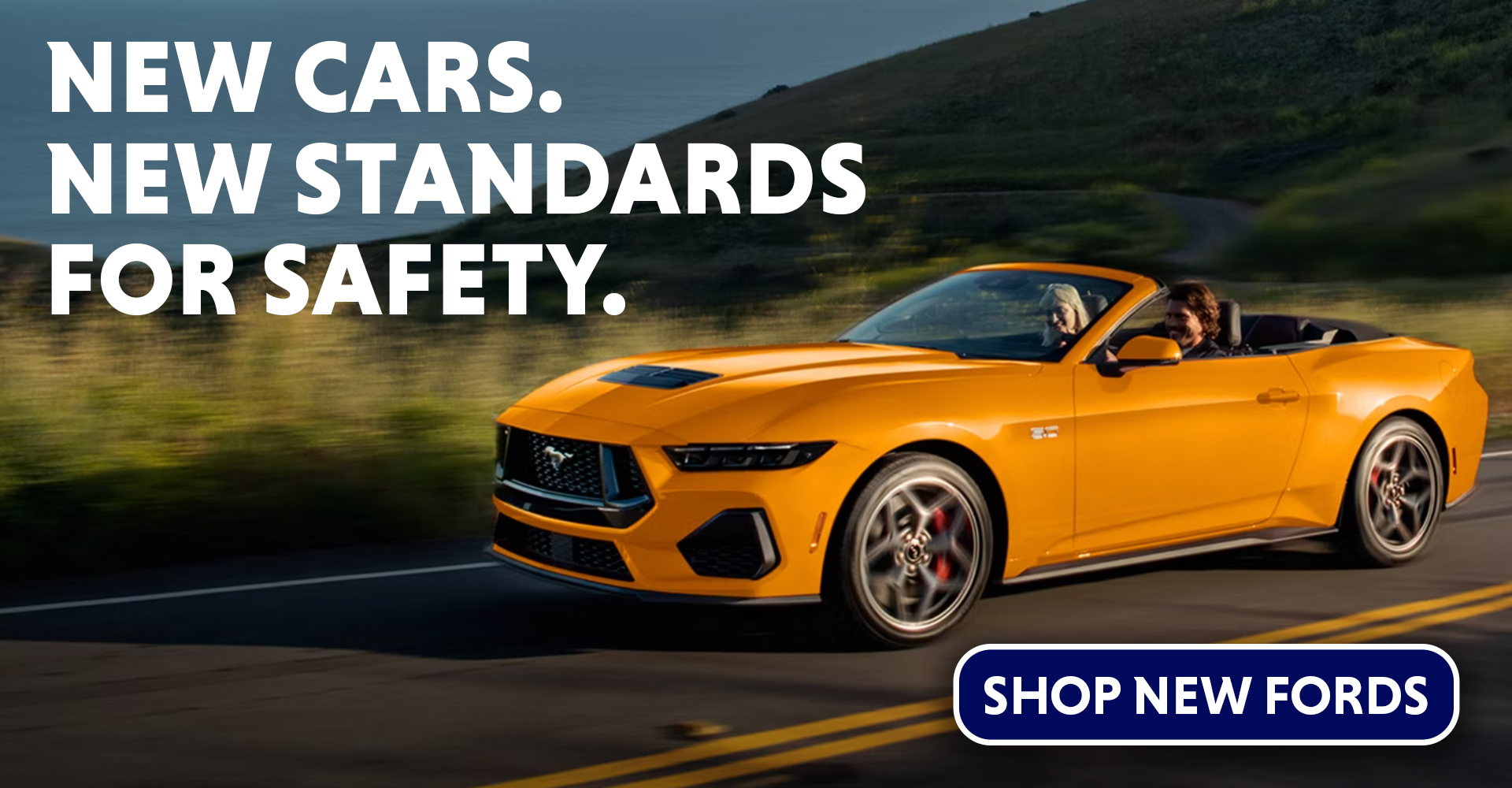
When drivers visit Palmetto Ford in Charleston, SC, they often arrive with one big question in mind: are new cars safer than the vehicles they already own? That concern usually starts with a comparison of old-car vs. new-car safety and quickly expands into a broader look at car safety as a whole. Anyone who has spent years driving an older vehicle has felt that moment of doubt in traffic, wondering whether newer cars would handle a sudden stop or near miss more confidently. It’s only normal to ask “Are new cars safer?” when family, commute time, and changing driving conditions are all on the line.
Over the last few decades, car manufacturers have transformed automotive safety through smarter vehicle design, updated safety standards, and continuous safety improvements. Agencies such as the National Highway Traffic Safety Administration and the Insurance Institute for Highway Safety collect large amounts of crash-test data, run detailed crash tests, and track driver crash rates and fatality rate trends to see whether new cars are getting safer. Their findings show that safer cars and safer vehicles can reduce fatal crashes and serious injuries among car occupants and other road users. That evidence matters when you are standing in the showroom at Palmetto Ford and quietly wondering whether to upgrade to a new car.
How Modern Vehicle Design Protects You
One of the biggest changes you will notice when comparing older cars with modern cars is how crash forces are managed. Today’s new vehicles are built around carefully engineered crumple zones that absorb impact and redirect energy away from the passenger compartment. These areas are designed to deform in a controlled way, helping to keep the cabin more stable and lowering crash risk in many types of car accidents. For motorists who have always relied on older models, it is reassuring to see how much work has gone into answering the question of whether new cars are safer in real-world collisions.
Inside the cabin, newer vehicles use high-strength steel, smart vehicle design, and well-placed reinforcements in the roof, floor, and doors. The steering column and steering wheel are designed to move or collapse in specific ways, while side curtain airbags deploy to help shield heads in side impacts and rollovers. Combined with three-point seat belts, anti-lock brakes, and electronic stability control, these safety systems are all focused on keeping car occupants away from the most dangerous forces. Even a midsize car or small SUV can offer impressive crash safety when engineers prioritize both highway safety and overall road safety. For many shoppers at Palmetto Ford in Charleston, SC, this structure-focused view goes a long way toward answering whether new cars are safer than what they parked at home.
Crash Testing, Data, and Safety Standards
The structural changes you see in the showroom are shaped by what researchers see during crash testing. Organizations like the National Highway Traffic Safety Administration and the Insurance Institute for Highway Safety run a wide variety of crash tests, from frontal and side impacts to rollovers and specialized test procedures at high speed. These evaluations help determine how each passenger vehicle protects car occupants and how different vehicle classes stack up on traffic and highway safety charts. When engineers review this data and redesign models for a new model year, they are responding directly to the ongoing question of whether new cars are safer according to the numbers.
In addition, insurance companies and regulators use this information to reward safer vehicles and encourage ongoing safety improvements. They look closely at driver death rates, fatal crashes, and how older vehicles compare with newer vehicles when impacts occur at real-world speed limit ranges. Results can vary depending on vehicle choice and design, as well as whether a model is a large SUV, pickup truck, small car, or other large vehicle. Heavier vehicles sometimes perform differently in certain crashes because of curb weight, which is why comparing cars for safety means looking beyond age and focusing on design. As you explore inventory at Palmetto Ford in Charleston, SC, we can help you explore whether new cars are safer for the specific kind of driving you do.
Modern Safety Systems and Crash Avoidance Technologies
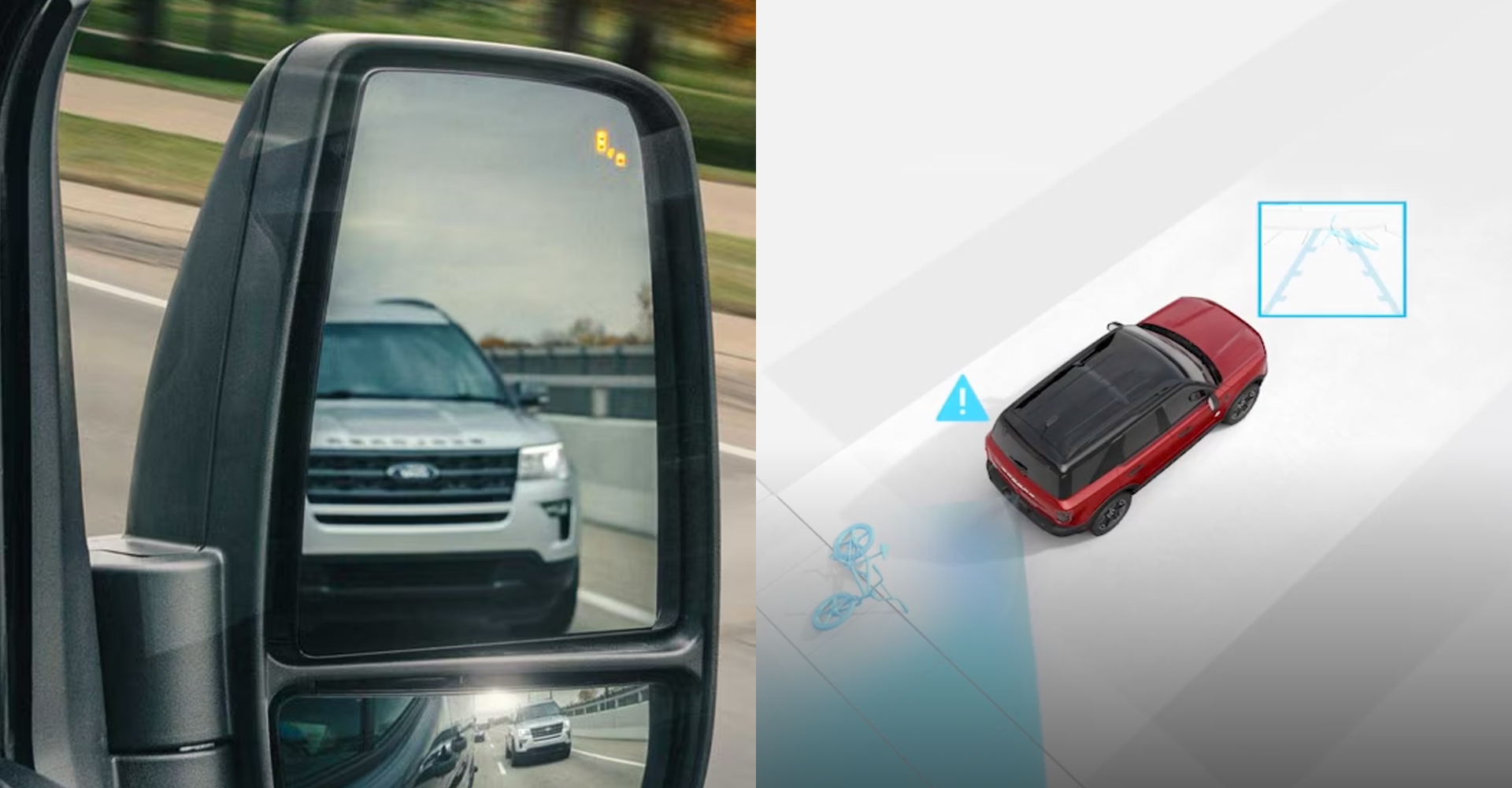
Beyond strong structures, new cars shine in the advanced safety systems they offer. Features such as Forward Collision Warning and Automatic Emergency Braking can help you react more quickly when traffic slows suddenly. Many modern cars blend these tools into broader crash avoidance technologies that support crash prevention rather than just crash response. For drivers who remember their first car having little more than seat belts and basic brakes, the leap in capability makes it very reasonable to ask whether new cars are safer in the moments that matter most.
Electronic Stability Control and anti-lock brakes help maintain control in sudden maneuvers, while Lane Departure Warning, Lane Keep Assist, and Blind Spot Warning assist with lane changes and longer trips. Adaptive Cruise Control automatically adjusts speed to follow traffic more smoothly within the speed limit, easing fatigue on the highway and supporting highway safety for everyone. These systems are not limited to luxury cars anymore; many mainstream models include them as standard or widely available equipment. When you experience these technologies on a test drive at Palmetto Ford in Charleston, SC, you may find your answer to whether new cars are safer shifting as the vehicle quietly helps manage tricky driving conditions.
Everyday Driving Experience and Visibility
Modern vehicles also support safety by helping you stay focused. Clean dashboard layouts, intuitive controls, and clear digital displays keep your attention on the road instead of buried in menus. Voice commands allow you to adjust settings without taking your hands off the steering wheel, while thoughtful cabin design makes it easier to monitor mirrors and surroundings. Compared with older cars and older vehicles that were never designed around distraction concerns, many shoppers feel more confident answering whether new cars are safer once they have spent time in a modern cabin.
Low-speed situations matter too. A crowded parking lot or tight driveway can hide pedestrians, pets, and obstacles in blind spots. Cameras, parking sensors, and other parking aids improve pedestrian safety and reduce the risk of minor bumps or fender benders. These tools are especially helpful in larger vehicles and heavier vehicles, where visibility can be more challenging. As these technologies quietly prevent incidents day after day, they offer practical evidence that proves to drivers that new cars are safer, not just theoretically, but something they can experience routinely.
Balancing Size, Segment, and Safety Priorities
Choosing the right vehicle means balancing safety with everyday needs like space, style, and fuel efficiency. Some drivers feel most comfortable in a large SUV or pickup truck, while others prefer the agility and fuel economy of a small SUV or a compact passenger vehicle. The good news is that strong automotive safety is available across many segments, as long as you pay attention to crash test ratings, crash tests, and available safety systems, rather than focusing only on looks. Working with the team at Palmetto Ford gives you a chance to review the data and ask whether new cars are safer for your family, even if you move to a different size or body style.
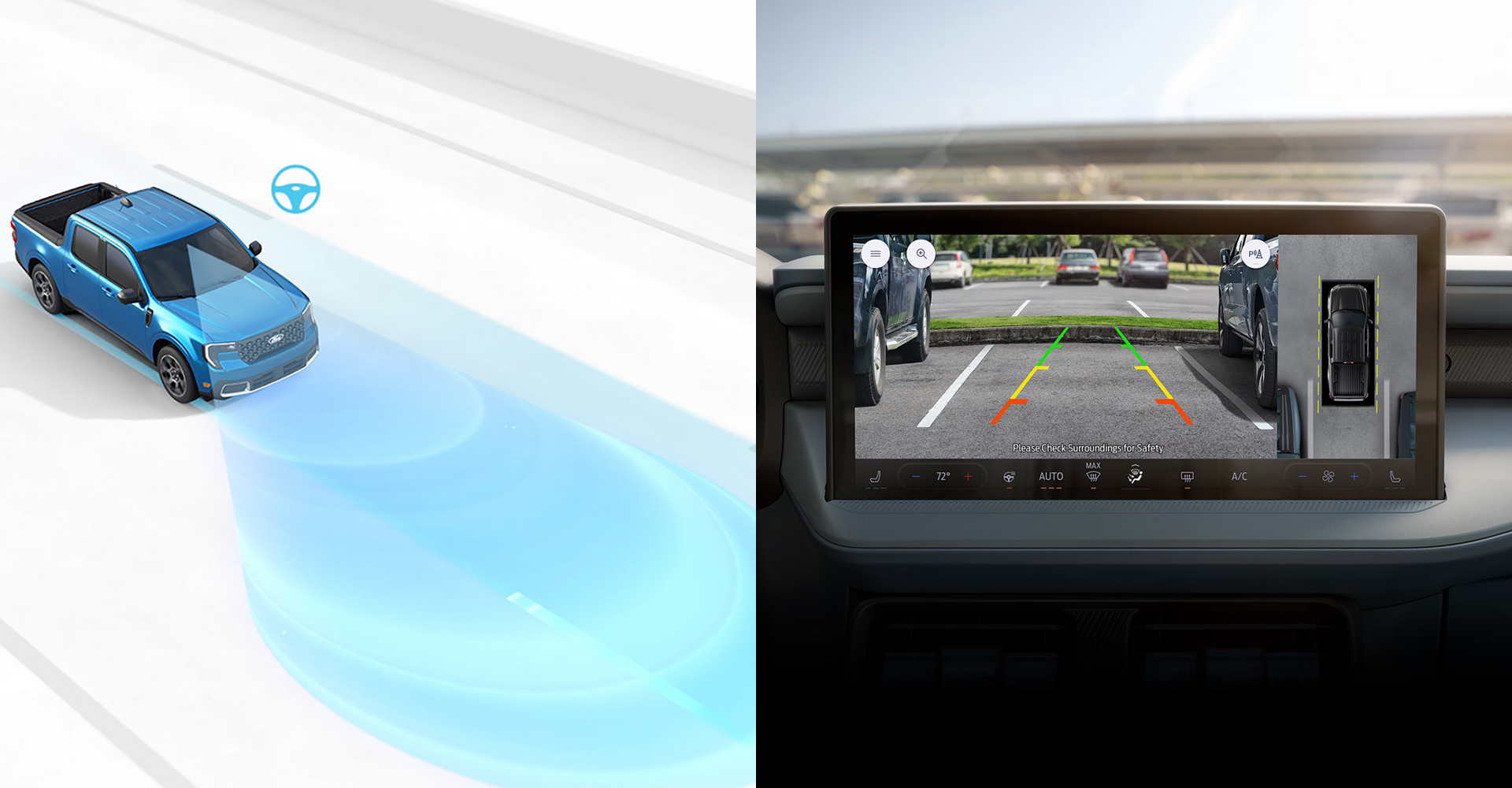
See Today’s Safety Advances
The most convincing way is to see and feel the differences in person. At Palmetto Ford, you can explore new vehicles alongside carefully selected older pre-owned vehicles. Staff can walk you through safety standards, explain how specific safety systems work, and show you how features like Forward Collision Warning, Adaptive Cruise Control, Lane Departure Warning, Lane Keep Assist, and Blind Spot Warning work together. Once you watch these tools in action, it becomes easier to decide for yourself whether new cars are safer for your daily routes.
You can also review safety labels, ask about recent crash tests, and learn how car manufacturers respond to each new IIHS test and regulatory change. Whether you are comparing small SUVs, a midsize car, a family-focused large SUV, or a capable pickup truck, the team can outline how each model’s safety systems and safety standards support road and traffic safety in and around Charleston, SC.
Visit Palmetto Ford to Explore Safer Vehicles
When you are ready to move from research to real-world experience, visit Palmetto Ford in Charleston, SC, and take a closer look at today’s safer vehicles. Sit behind the steering wheel, explore the dashboard, and imagine how each passenger vehicle will feel in your driveway and on your favorite routes. With guidance on crash testing results, crash avoidance technologies, and the latest in automotive safety, you can build confidence that your next vehicle choice supports both performance and protection. By the time you finish comparing options, you should have a clear, personal answer to the question that started your search for whether new cars are safer for you, your passengers, and your life in Charleston.
Is It Cheaper To Insure A New Car Or A Used Car?

Costs, Coverage, and Savings
Choosing between new vs. used car insurance is an important decision for drivers looking to balance costs and coverage. Whether you’re insuring a new Ford or an older vehicle, understanding the factors that influence car insurance costs can help you make an informed decision. Comparing coverage requirements, premiums, and savings opportunities for newer cars and used vehicles ensures that you get the right protection and Ford for your needs. In this guide, Palmetto Ford will help you explore the key differences in car insurance for new vs. used cars, from coverage levels to cost-saving strategies. By evaluating factors like vehicle age, driving history, and the car’s value, you can select the best option that offers peace of mind and fits your budget. Visit us today in Charleston, SC!
How Much Does It Cost To Insure A New Car?
The cost of new vs. used car insurance varies significantly due to factors like vehicle age, repair costs, and coverage requirements. Newer Fords generally have a higher value, which means they require higher coverage levels, leading to higher car insurance costs. These vehicles often come equipped with advanced safety features such as Automatic Emergency Braking, which can lead to higher repair costs in the event of a collision, even though they might reduce the likelihood of accidents.
On the other hand, older vehicles tend to have lower insurance premiums because their car’s value has depreciated over time. However, they may be more prone to theft, especially if they lack modern car safety technology. This increased theft risk can negatively affect car insurance premiums and change how you compare new vs. used car insurance overall. Additionally, financed newer vehicles often have stricter coverage requirements, such as comprehensive and collision coverage, to protect the lender’s investment. In contrast, older cars without loans may allow drivers to opt for liability insurance only, which offers a lower-cost option.
Driving habits and the likelihood of accidents also play an important role in determining the cost of insurance rates for both newer and older cars. Drivers with a clean driving record have the advantage of being safer and may qualify for lower premiums. Conversely, poor driving habits or a history of accidents can increase auto insurance rates regardless of the car’s age. Keeping these factors in mind is essential when making decisions on the pros and cons of new vs. used car insurance.

How Credit Score and Driving History Affect Rates
Your credit score and driving history are significant factors that influence auto insurance rates, whether you’re insuring a new car or an older vehicle. When comparing new vs. used car insurance, it is important to remember that a good credit history demonstrates financial responsibility, which can help you secure lower insurance premiums. Auto insurance companies often view individuals with strong credit scores as more responsible and thus less likely to file claims, making them eligible for discounts.
Similarly, maintaining a clean driving record can lead to lower rates. Good drivers with no history of accidents or traffic violations are rewarded with lower premiums as they represent a reduced risk to insurers. On the other hand, even if you own an older vehicle, a poor driving history may negate the potential savings associated with its lower value. Thus, both credit score and driving history are key considerations when comparing insurance options for newer vehicles and older cars, particularly when deciding which new vs. used car insurance plan best suits your budget and needs.
Coverage Options for Newer Cars vs. Older Vehicles: Are New Cars Cheaper To Insure?
Newer Cars: Coverage Considerations
When insuring newer cars, comprehensive and collision coverage are often required, especially if the vehicle is financed through an auto loan. These coverage types protect against a range of risks, including damage from accidents, theft, or natural disasters. For drivers evaluating new vs. used car insurance, comprehensive and collision coverage are usually more relevant to newer vehicles because of their higher value
Another important consideration for newer vehicles is gap insurance, which can be invaluable during the first year of ownership. Gap insurance provides coverage over the difference between the car’s value and the remaining balance on the auto loan in the event of a total loss, ensuring that you are not left with out-of-pocket expenses. New Fords often feature advanced safety technology and driver-assistance systems, which can potentially lower insurance costs. However, repair costs for these technologies can increase car insurance premiums if they are damaged.
Additionally, vehicles with strong safety ratings may qualify for further insurance discounts, as they are considered less risky to insure. If you’re purchasing a newer vehicle, consider how its car manufacturer and safety features may influence your coverage requirements and costs, especially when deciding which new vs. used car insurance option provides the best overall value.
Older Vehicles: Coverage Considerations
Insuring an older vehicle often involves different considerations than insuring a newer car. Liability coverage is typically the most important type of insurance for older cars, as it makes sure you meet legal requirements and provides financial protection in case of accidents where you’re at fault. For vehicles with lower value, dropping collision coverage might be a practical decision to reduce insurance costs, especially if the repair costs would exceed the car’s value.
Even for older vehicles, car safety ratings and overall condition can still influence car insurance premiums. Some older cars may have features that qualify for insurance savings, such as anti-theft devices. However, older vehicles without modern safety technology might face higher premiums due to increased risks. When you are comparing new vs. used car insurance, drivers of older cars should evaluate whether additional coverage, like comprehensive insurance, is worth the extra expense or if liability-only coverage offers the best balance of cost and protection.
Full Coverage vs. Liability Insurance: Making the Best Choice
Deciding between full coverage and liability insurance depends on the value of a vehicle, its repair costs, and your financial situation. Full coverage insurance provides liability, comprehensive, and collision coverage, offering maximum protection against a wide range of risks. This type of coverage is often the best option for newer cars or high-value vehicles, as it provides peace of mind in the event of accidents, theft, or natural disasters. When you are comparing new vs. used car insurance, full coverage frequently becomes part of the conversation for higher-value or newer vehicles.
However, the higher premiums associated with full coverage might not be financially practical for everyone. Liability-only insurance, on the other hand, is a more affordable option, particularly for older cars with less value. It covers the costs of damages or injuries caused by you to others, but does not cover your own vehicle. For an older vehicle with minimal value, opting for liability insurance can result in significant savings on car insurance premiums.
However, it’s essential to consider the potential out-of-pocket costs if your vehicle is damaged or totaled. When determining the type of coverage to choose, consider factors like the car’s age, car price, and replacement costs. For example, if you drive an older vehicle that would cost more to repair than replace, liability-only insurance might be sufficient. On the other hand, if you own a newer car or one with higher repair costs, full coverage might be the better choice to ensure adequate protection. Understanding these trade-offs is crucial to choosing the right new vs. used car insurance solution for your lifestyle and budget.

How to Save on Car Insurance Premiums: Smart Savings Strategies
Saving on car insurance premiums requires careful planning and consideration of various strategies. One effective way to lower your monthly payments is by increasing your deductibles. While this means you’ll pay more out-of-pocket in the event of a claim, it can significantly reduce your monthly insurance costs if you’re a safe driver and unlikely to file frequent claims. This savings approach can apply to both new and used vehicles and should be weighed alongside your choice of new vs. used car insurance.
Bundling policies, such as combining your car insurance with home insurance, is another great way to unlock insurance discounts from many auto insurance companies. Telematics programs, which monitor your driving habits using a mobile app or device, can reward safe driving behavior with lower premiums. Good drivers who avoid speeding, hard braking, and excessive mileage may qualify for significant savings through these programs.
Additionally, it’s a good practice to compare car insurance quotes annually. Shopping around ensures you’re getting the best rates from the best car insurance companies and helps you take advantage of new offers or discounts. Maintaining a clean driving record and a good credit score is also essential for keeping car insurance costs low. Insurers view drivers with a clean record and strong credit history as lower-risk, which can result in lower premiums. If you’ve improved your credit score or driving habits recently, inform your insurer or shop for new quotes to potentially secure better rates on your new vs. used car insurance options.
Additional Savings Tips
Another way to save on car insurance is to pay your monthly premiums in full up front, as some insurers offer discounts for customers who pay annually instead of monthly. When shopping for vehicles, consider those with advanced safety technology and strong safety ratings. Cars equipped with features like Automatic Emergency Braking, Lane-Keeping Assist, and anti-theft devices not only provide peace of mind but also qualify for insurance savings from many providers. These considerations can influence your overall new vs. used car insurance comparison and long-term ownership costs.
Roadside assistance, often included in comprehensive insurance policies, is another benefit to consider. While it may add a small cost to your premium, it can save you significant expenses in emergencies like breakdowns or flat tires. Additionally, vehicles with a manufacturer’s warranty may lower your overall maintenance costs, making them more appealing from both a financial and insurance perspective. Always review your coverage selection carefully to ensure it aligns with your budget and protection needs, paying close attention to how different new vs. used car insurance choices affect your total expenses.
Find the Right Balance For You
Newer cars often come with higher premiums due to their advanced safety features, higher value, and stricter coverage requirements. However, they may offer lower long-term repair and maintenance costs, as well as insurance savings from features like Automatic Emergency Braking. Older vehicles, while offering lower insurance costs, may carry risks such as higher theft rates and increased repair expenses. Evaluating the car’s age and value, as well as your driving habits, is essential to finding the best car insurance policy for your needs and deciding which new vs. used car insurance structure makes the most sense.
Ultimately, the decision between new vs. used car insurance comes down to your financial situation, vehicle type, and coverage requirements. Whether you choose a new car or an older vehicle when shopping at Palmetto Ford, comparing coverage options and car insurance quotes from the best car insurance companies will help you secure the most suitable policy. By making an informed decision about new vs. used car insurance, you can enjoy lower premiums, peace of mind, and the right level of protection for your vehicle. Visit us today in Charleston, SC!

Finding the Best Option for Your Budget
When it comes to deciding on your next vehicle, understanding new vs. used car prices can make or break your budget. As car prices trend up and down with shifts in the auto market, it becomes even more important to compare car prices carefully instead of rushing into a decision. Whether you’re considering a new Ford with advanced technology or a reliable used vehicle, making an informed decision is crucial.
New car prices are often higher due to their cutting-edge safety features and advanced amenities, while used cars come with lower prices and reduced depreciation rates. By understanding vehicle prices, financing options, and insurance costs, car buyers can work with Palmetto Ford to navigate the complexities of the car market and secure the best deal for their next car purchase. Comparing new vs. used car prices also helps you decide whether a newer model or an older one gives you more value over time. Visit us today in Charleston, SC!
Why New Car Prices Are Higher and Their Benefits
Breaking Down the Sticker Price
New car prices vs. used are typically higher because they include the latest advanced technology, modern design, and cutting-edge safety features. Car manufacturers like Ford invest heavily in research and development to equip new cars with features like Adaptive Cruise Control, Lane-Keeping Assistance, and infotainment systems, which can drive up the sticker price. For car buyers, these features often translate to enhanced driving comfort, better car safety, and a safer road experience that many car shoppers are willing to pay for when they compare new vs. used car prices.
Additionally, new vehicles come with full factory warranties, which can significantly reduce repair costs during the early years of ownership. This warranty coverage gives car shoppers peace of mind, knowing they won’t face unexpected car repair expenses soon after purchasing. Ford and Palmetto Ford also frequently offer financing deals with lower interest rates, which can make the car payment and overall monthly payment on a new car more manageable for qualified buyers. Some promotions may feature special auto loan interest rates that keep financing costs in check, especially for shoppers with a strong credit score.
The Role of Depreciation and Resale Value
One of the most significant factors affecting new vs. used car prices is depreciation. A new car begins to lose value the moment it is driven off the lot, with the depreciation rate being highest during the first year. This means the transaction price for the same car will drop sharply if it becomes a used vehicle, making its resale value much lower in the short term. Over time, this depreciation directly impacts car values and the car pricing you see in guides and online listings.
However, after this initial steep decline, the depreciation rate tends to stabilize, and vehicle prices start to level out. For car buyers considering their next car, it’s important to weigh the benefits of owning a new vehicle against this rapid loss in value. While new cars offer predictable costs, advanced technology, and strong car safety features, the lower resale value and high initial investment might not align with every budget. Looking at new vs. used car prices side by side can be a powerful piece of car advice, showing you how much value you may lose or retain over time based on your buying choices.

Why Used Cars May Be a Smarter Financial Choice
Lower Prices and Total Cost of Ownership
For those focused on budget-friendly buying choices, a used vs. a new car price often presents a more affordable option. Used vehicles generally come with significantly lower sticker prices compared to a new vehicle, offering car buyers better upfront value. This lower entry cost can reduce the total cost of ownership, especially when factoring in smaller loan amounts and reduced monthly payments. In many cases, the loan terms on a used car will still result in a manageable car payment, even if the interest rate is slightly higher.
Furthermore, a used car’s depreciation has already occurred, meaning its resale value won’t drop as sharply as a new vehicle’s. This can be advantageous for buyers looking for a car that holds its value better over time and who are watching the used car market trend closely. When comparing new vs. used car prices during a road test or a visit to the showroom, many shoppers find that a well-maintained used car delivers the practicality they need without stretching their budget.
Factors to Check Before Buying
While used cars can be a great financial choice, car shoppers need to perform due diligence before making a purchase. Start by reviewing the car’s history report to check for past repairs, accidents, or other potential red flags. This step is crucial for understanding the reliability and overall condition of the used vehicle and can help you anticipate future car repair needs, factoring in everything for new vs. used car prices.
Using trusted value tools like Kelley Blue Book can help ensure you’re getting fair car pricing and avoid overpaying. Additionally, inspect the vehicle’s mileage, trade-in value, and physical condition to gauge its long-term reliability. Paying attention to these details can help you secure the best deal while minimizing future repair costs. When you weigh new vs. used car prices using resources like car value guides and online listings, you gain clarity on whether the vehicle is priced appropriately for its age, condition, and local car inventory.
How Financing and Insurance Costs Differ
Loan Terms and Auto Loan Rates
When comparing new vs. used car prices, financing options often play a significant role in the decision-making process. New cars are more likely to qualify for special financing rates or incentives from automakers and dealerships, resulting in lower interest rates and potentially reduced monthly payments. However, the loan amount for a new car will typically be higher due to its higher price, which can raise the total financing costs over the life of the loan.
In contrast, used cars usually come with higher auto loan interest rates, as lenders view them as a riskier investment. That said, the smaller loan amounts associated with used vehicles can offset the impact of higher financing rates, making them more affordable for many buyers. This is especially true when you compare new vs. used car prices and see how much less principal you are financing on a used option. Carefully reviewing loan terms, auto loan rates, and your credit score can help you decide which option fits your budget best and keeps your next car from becoming a financial burden.
Insurance Costs and Premiums
Auto insurance premiums can vary significantly between new vs. used car prices. For new cars, insurance rates are often higher because the replacement cost is greater. Advanced technology and safety features in new vehicles can also contribute to higher premiums, as repairing or replacing these components can be expensive. Car insurance companies factor in everything from vehicle production costs to average car repair bills and safety ratings when they set their prices.
Used cars, on the other hand, typically come with lower insurance premiums. This is largely due to their reduced value and lower repair costs. Car insurance companies consider these factors when calculating premiums, making used vehicles more cost-effective to insure. However, car buyers should always compare insurance quotes to ensure they’re getting the best deal. Monitoring insurance rates and ongoing insurance premiums is just as important as reviewing price changes in the showroom. When you compare new vs. used car prices alongside coverage options, you’ll see how auto insurance and ownership costs combine to affect your overall budget.
How to Compare New and Used Cars Effectively
Evaluating Vehicle Prices and Ownership Costs
When deciding between a new or used vehicle, it’s essential to evaluate all aspects of vehicle prices and ownership costs. Start by considering your budget and determining how much you can afford in terms of monthly payment when it comes to new vs. used car prices. Factor in financing costs, loan terms, and potential auto loan interest rates, as these will directly impact your total expenses and car payment over time.
Beyond the purchase price, account for additional costs such as repair costs, insurance rates, dealer fees, and even how you plan to pay, whether you’ll use cash, an auto loan, or a credit card for part of the transaction price. Also, consider the car’s safety features and how they contribute to long-term value and car safety for your family. Balancing these elements, while keeping an eye on the broader car prices trend and auto market conditions, will help you make a more informed decision about your next car. As you compare new vs. used car prices, remember to factor in resale value and how long you plan to keep the vehicle.

Timing Your Purchase
Timing is another critical aspect of comparing new and used cars. The best time to buy a used car often aligns with favorable market trends, such as when car inventory is high or during end-of-year car sales events. Monitoring the auto market for fluctuations can also help you secure a better deal on new vs. used car prices. For new cars, pay attention to financing incentives and seasonal promotions offered by automakers and dealerships, such as Palmetto Ford. Staying informed about price changes, vehicle production trends, and overall vehicle sales can help you choose the right time to make your purchase and maximize savings. When you track new vs. used car prices over several months, you’ll see how the used car market trend and overall auto market conditions affect both sticker prices and the available financing options.
Choosing Your Next Car: New or Used?
Exploring new vs. used car prices ultimately depends on your budget, priorities, and lifestyle needs. If you value advanced technology, cutting-edge safety features, and predictable costs, a new car might be the right choice for you. New Fords also come with full factory warranties and, often, lower interest rates, offering peace of mind and convenience. For some buyers, the appeal of a newer model with the latest connectivity and driver-assist systems makes the higher upfront cost worthwhile, especially when they want the best car safety features.
However, if you’re looking for better upfront value and lower prices, exploring the used car market can be a smarter financial move. Used vehicles come with lower sticker prices, reduced depreciation rates, and often lower insurance premiums, making them ideal for car buyers focused on minimizing costs. Carefully reviewing the car’s history, mileage, and trade-in value can help ensure you’re purchasing a reliable vehicle that fits your values and long-term goals. As you weigh new vs. used car prices and look at different financing options, remember that both paths can lead to a smart purchase if you align them with your budget and priorities.
Palmetto Ford Is Here To Help
Whether you choose to focus on the price of a new vs. used car when shopping at Palmetto Ford, it’s essential to evaluate all aspects of ownership, including monthly payments, financing deals, financing rates, and repair costs. Consider how your choice affects long-term expenses, such as auto insurance, car repairs, and everyday operating costs. Timing your purchase based on car market trends, car sales events, and shifting car inventory levels can also help you secure the best deal. By balancing your financial goals with your driving needs, using reliable car advice sources, and keeping a close eye on new vs. used car prices, you can confidently select the next car that fits your budget and lifestyle. Visit us today in Charleston, SC!
Historic Sites in Charleston, SC

A Guide to the City’s Most Historic Landmarks
Charleston, South Carolina, is a treasure trove of history, home to some of the most iconic and well-preserved landmarks in the country. From cobblestone streets and stately historic homes to centuries-old churches that define the Holy City skyline, Charleston invites visitors to step back in time and experience its rich past firsthand. Whether you’re drawn to colonial architecture, immersive exhibits, or the stories woven into Charleston’s historic neighborhoods, there’s something here for every type of explorer.
As one of the best places to discover America’s heritage, Charleston blends historical significance with unmistakable Southern hospitality. Touring the city is even more enjoyable when you have the right vehicle for the journey—whether it’s the easy maneuverability of the Ford Escape for downtown sightseeing of the monuments in Charleston, the spacious comfort of the Ford Explorer for family-friendly adventures, or the dependable strength of the Ford F-150 for scenic drives beyond the city. When you’re ready to explore Charleston’s top historic sites, Palmetto Ford has the perfect vehicle to get you there. Stop by Palmetto Ford today or schedule a test drive to start your Lowcountry adventure in style.
Step Into Charleston’s History at Iconic Locations
Discover Downtown Charleston’s Colonial-Era Charm
Downtown Charleston is a living museum, offering visitors the chance to explore Charleston historical sites that date back to the colonial era. Stroll along the cobblestone streets, where every corner seems to whisper stories of the past. The area is home to numerous landmarks, such as the Old Exchange & Provost Dungeon, a pivotal site during the American Revolution. Here, visitors can walk through its preserved halls and learn about its role as a British prison and a meeting space for revolutionary leaders. Another must-see is the Powder Magazine Museum, one of the oldest surviving public buildings from the 18th century. Its thick walls and fascinating displays of weaponry provide a glimpse into Charleston’s military history. For a broader view of downtown’s charm, consider taking walking tours or carriage tours that guide you through the best historic sites while immersing you in the city’s rich stories.
Interactive Exhibits and Visitor Centers
Charleston is not just about admiring history—it’s also about engaging with it. The Charleston Museum, established in 1773, is the oldest museum in the United States, offering interactive exhibits on a wide range of topics, from natural history to the colonial era. This is a great place to dive deep into Charleston’s history and the cultural evolution of the region. For a more immersive experience, head to the Charles Towne Landing visitor center, located at the site where English settlers first arrived in 1670. The center features exhibits on early colonial life, Native American history, and the settlers’ journey to create what would become Charleston. Additionally, park rangers at Fort Sumter National Monument provide fascinating insights into the Civil War, as this site marks where the first shots of the conflict were fired. A ferry ride to the fort offers scenic views of the harbor, making the trip even more memorable.
Charleston Historic Buildings and Homes to Explore
Must-Visit Historic Homes
Charleston’s historic homes are a testament to its architectural beauty and cultural heritage. Rainbow Row, located on East Bay Street, features a series of pastel-colored 18th-century houses that have become an iconic symbol of the city. These homes are a favorite spot for photos and provide a vivid glimpse into Charleston’s charm.
The Aiken-Rhett House offers visitors an authentic look at 19th-century life in Charleston, with preserved interiors that reflect the grandeur of the era. The Heyward-Washington House is another must-see, as it is tied to Thomas Heyward, one of the signers of the Declaration of Independence. For a waterfront view, the Edmondston-Alston House offers stunning sights of the Cooper River while showcasing period furnishings and historic significance.
Don’t miss the Joseph Manigault House, a masterpiece of Federal-style architecture. This historic house highlights the elegance of Charleston’s past and offers a closer look at the lives of the city’s elite families. Exploring these homes will transport you to a time when Charleston was at the height of its cultural and economic influence.
Historic Churches in the Holy City
Charleston is known as the “Holy City” because of the remarkable number of historic church steeples that rise above its skyline, symbolizing the city’s long-standing religious heritage. Its rich spiritual history and architectural beauty gave the town a nickname that still feels fitting today. The Circular Congregational Church is one of the oldest congregations in the United States. Its cemetery contains gravestones dating back to the colonial era, making it a significant site for history enthusiasts. Other notable churches South of Broad reflect Charleston’s deep religious roots and architectural splendor, offering visitors a serene and inspiring experience.
Historic Plantations and Gardens in the Charleston Area
The Charleston area is home to some of the most breathtaking historic plantations and gardens in the United States. Magnolia Plantation & Gardens is a standout destination, renowned for its natural history and vibrant blooms that captivate visitors year-round. Drayton Hall, an 18th-century plantation, remains unaltered since its construction and features interactive exhibits that shed light on its storied past. Middleton Place boasts America’s oldest landscaped gardens, where perfectly manicured terraces and walkways create a tranquil atmosphere. At the McLeod Plantation Historic Site, visitors can gain a deeper understanding of the plantation’s historical significance. Boone Hall Plantation, one of the most famous in the country, is celebrated for its striking Avenue of Oaks and role in Charleston’s history.
Forts, Monuments, and Military History in Charleston
Charleston’s role in American military history is highlighted through its forts and monuments. Fort Sumter National Monument, accessible via a scenic ferry ride, is where the first shots of the Civil War were fired. A visit to this historic site is a moving experience, as it brings to life one of the most pivotal moments in U.S. history. Fort Moultrie on Sullivan’s Island also played a key role during the American Revolution, showcasing the city’s enduring strategic importance. Patriots Point Naval & Maritime Museum in Mount Pleasant offers an up-close look at the USS Yorktown, a World War II aircraft carrier. The museum provides interactive exhibits and fascinating insights into naval history. Finally, Magnolia Cemetery serves as the resting place for many colonial and military figures, offering a peaceful yet poignant reminder of Charleston’s rich history.
Why Charleston’s History Is Worth Exploring
Charleston’s history is a tapestry of colonial-era beginnings, military milestones, and cultural evolution. From strolling cobblestone streets downtown to admiring the iconic church steeples that define the Holy City, every corner offers a connection to the past. Historic homes, waterfront landmarks, and centuries-old neighborhoods make Charleston a must-visit destination for history lovers.
Exploring these sites is even better behind the wheel of a vehicle built for comfort and discovery. The Ford Escape is perfect for navigating downtown streets, while the Ford Explorer offers space and versatility for day trips to Johns Island plantations or Fort Sumter. For those planning longer scenic drives along the coast, the Ford F-150 delivers the power and reliability needed to handle it all with ease.
Whether you’re tracing Charleston’s rich heritage or planning your next adventure, Palmetto Ford has the vehicle to get you there. Visit Palmetto Ford today to explore our lineup of Ford models, schedule a test drive, and start your journey through the Lowcountry in a vehicle designed for the road ahead.
Find The Best Soul Food in Charleston, SC

Where to Find the Best Soul Food in Charleston, SC
Charleston, SC, is a city steeped in history, charm, and an undeniable love for southern cooking. Known for its warm hospitality and culinary excellence, the city boasts some of the best soul food restaurants in the United States. Whether you’re strolling through downtown Charleston or cruising through the city in your Ford SUV or truck, you’ll find no shortage of places to satisfy your craving for authentic southern comfort food.
The Lowcountry flavors of Charleston are deeply rooted in its culture, offering a diverse range of dishes that include fried pork chops and oxtails, as well as collard greens and red rice. With a focus on local ingredients and time-honored recipes, the dining experience here is truly one-of-a-kind. Let’s explore some of the top restaurants where you can enjoy the rich traditions of soul food in Charleston, SC, and find your next road-trip dining destination before heading back to Palmetto Ford!
Exploring Charleston’s Soul Food and Southern Cooking Scene
What Makes Charleston, SC, a Southern Food Destination
Charleston has long been celebrated as a culinary gem thanks to its rich Lowcountry heritage and vibrant food scene. Its renowned southern restaurants pride themselves on fresh, local ingredients that highlight the essence of the region’s culture. From beloved recipes passed down for generations to modern spins on classic dishes, the city offers a dining experience that is both nostalgic and exciting.
The historic charm of downtown Charleston enhances its reputation as a foodie haven. As you make your way down Meeting Street or Queen Street, perhaps with your Ford Bronco or Expedition parked nearby, you’ll find everything from fine dining establishments to cozy local eateries, each offering their own take on southern comfort food. Beyond downtown, neighborhoods like North Charleston, West Ashley, Mount Pleasant, and James Island add even more depth to the city’s diverse culinary scene.
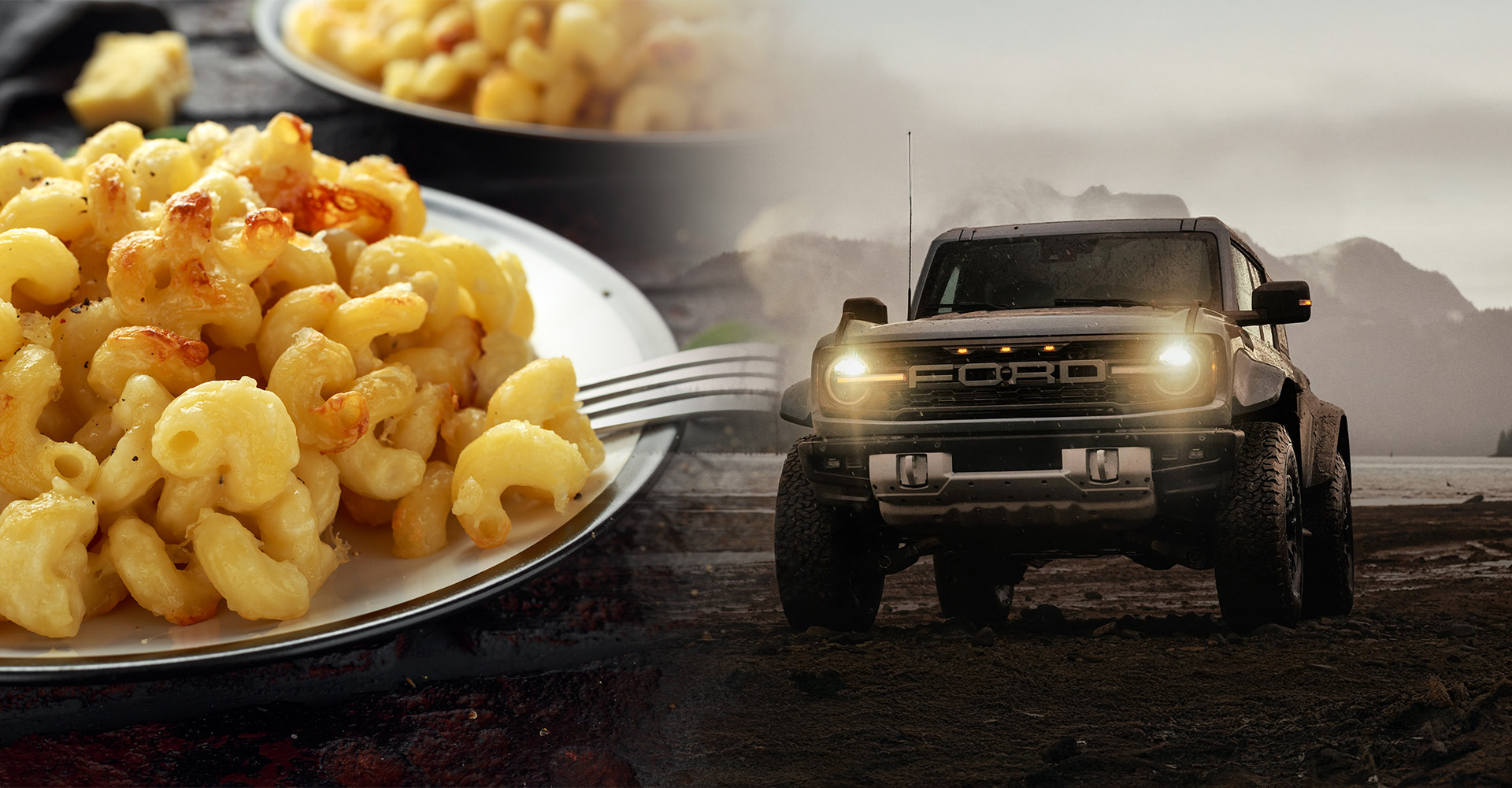
Iconic Soul Food Dishes You Must Try
No visit to Charleston is complete without indulging in some of its most iconic dishes. Fried pork chops, oxtails, and even shark steak showcase the city’s rich culinary traditions. These hearty entrées often come paired with classic sides, such as red rice, collard greens, and lima beans, for a complete Southern experience. Other signature favorites include she-crab soup, fried green tomatoes, and okra soup—dishes that highlight the creativity and craftsmanship of Charleston’s chefs. It’s the kind of comfort food that pairs perfectly with a scenic Lowcountry drive, making a reliable Ford F-150 or Ford Explorer an ideal companion for tracking down your next great meal.
Best Soul Food Restaurants in Charleston, SC
Top Picks in Downtown Charleston
Downtown Charleston is home to some of the city’s most iconic restaurants. Hannibal’s Kitchen has earned a loyal following for its tender oxtails and flavorful crab cakes—true staples for locals and visitors alike. Over on Queen Street, Poogan’s Porch elevates southern classics like fried chicken and she-crab soup in a charming historic setting. Another standout is Rodney Scott’s BBQ, widely known for serving some of the best barbecue in the region. With great service and unforgettable flavors, it’s the perfect stop during a weekend adventure or while test-driving your next Ford at Palmetto Ford.
Hidden Gems in North Charleston, West Ashley, and Surrounding Areas
Outside of downtown, North Charleston and West Ashley offer hidden gems worth the short drive. Bertha’s Kitchen in North Charleston is renowned for its home-style cooking, featuring dishes like fried chicken, lima beans, and red rice, all served with warm hospitality. In West Ashley, Dave’s Carry-Out delivers crowd favorites like fried pork chops and fried fish in a relaxed, down-to-earth setting. Venture a bit farther, and places like Goose Creek, Mt. Pleasant, and James Island add even more depth to the region’s food culture. These neighborhoods offer a mix of southern restaurants perfect for locals looking for authentic home-cooked meals, whether you’re grabbing a quick bite or planning a sit-down dinner. With the comfort and capability of a Ford Escape or Ford Ranger, these culinary excursions become part of the fun.
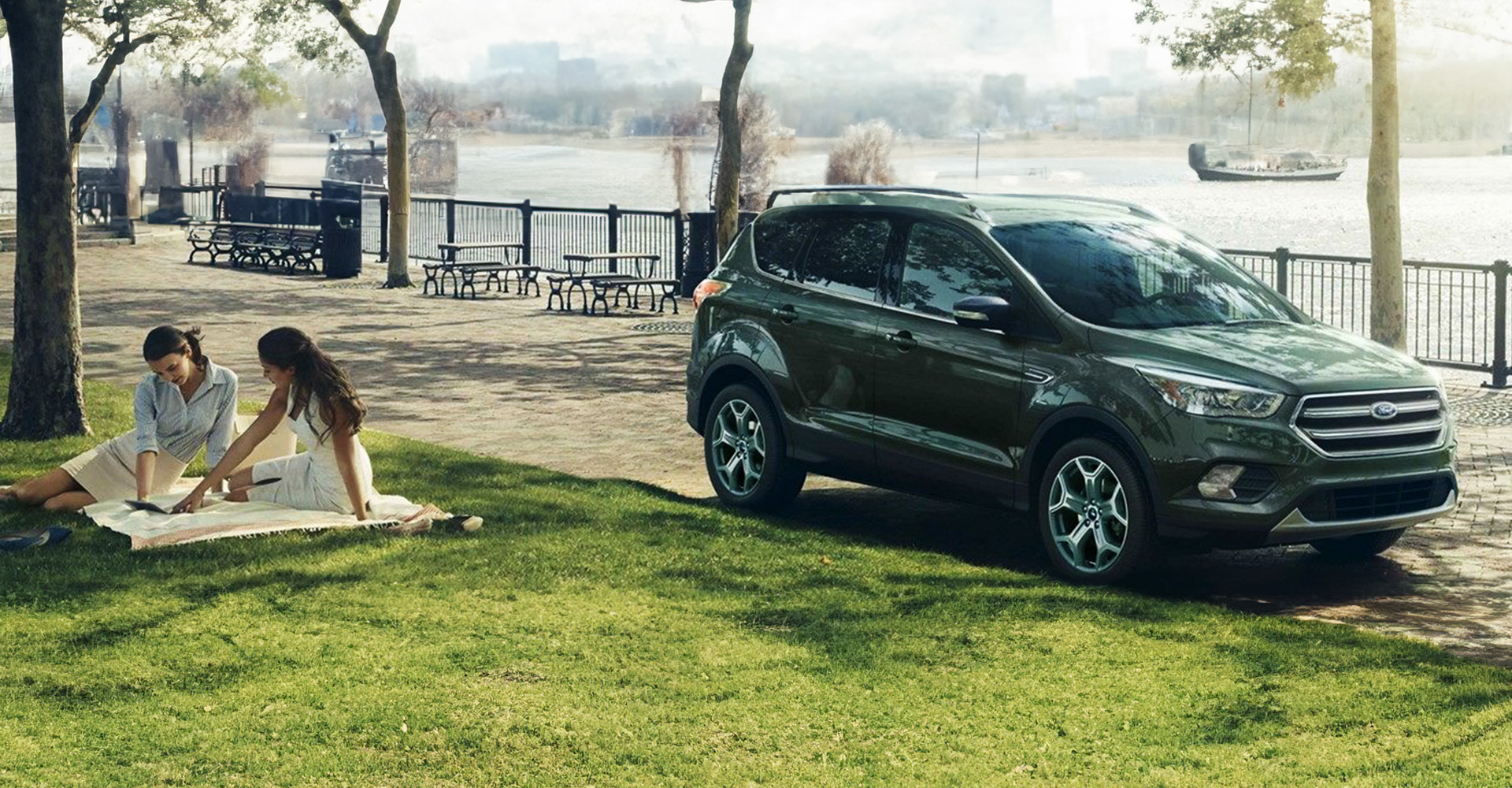
Spotlight Restaurants
Page’s Okra Grille
Page’s Okra Grille is a Mount Pleasant favorite, known for its hearty Southern comfort food and authentic Lowcountry charm. From crispy fried seafood to legendary shrimp and grits, it’s a place where families gather, locals linger, and visitors quickly feel at home, making it an ideal stop on a coastal drive in your Ford.
Millers All Day
Millers All Day offers a stylish, modern twist on breakfast and brunch classics. With locally sourced ingredients and a warm, inviting atmosphere, it’s the perfect spot for fluffy biscuits, signature cocktails, or a leisurely brunch before exploring more of Charleston’s vibrant food scene.
LoLa Low Country Louisiana Seafood Kitchen
LoLa blends Lowcountry traditions with bold Louisiana flair, resulting in a spirited menu featuring coastal favorites like gumbo, étouffée, and fresh, local seafood. Its lively atmosphere and flavorful dishes make it a go-to for diners who appreciate soulful cooking with a Cajun kick.
Creating a Memorable Dining Experience in Charleston
Atmosphere and Hospitality
Charleston’s soul food restaurants deliver more than delicious meals—they offer hospitality and atmosphere that elevate every visit. Many venues include private dining spaces for celebrations or special events, and some feature live music to enhance the experience.
Whether you’re out with family, reconnecting with friends, or enjoying a quiet evening, great service and welcoming charm define the Charleston dining experience. It’s one more reason why exploring the city in a comfortable, dependable Ford feels like the perfect pairing.
Savor the Lowcountry. Drive the Difference.
For your next culinary outing, stop by Palmetto Ford to explore the latest Ford models that make every road trip. From downtown Charleston to the hidden gems of the Lowcountry, you’ll feel effortless driving in the Ford of your choice.

The Ultimate Course Lineup
Charleston, SC, is a golfer’s paradise, where scenic Lowcountry backdrops meet championship-level fairways. From laid-back public tracks to iconic resort courses along the Atlantic, the Holy City has something for every swing, style, and skill level. And whether you’re gearing up for a weekend golf getaway or navigating the city’s top courses year-round, Palmetto Ford helps you get there with comfort, reliability, and plenty of room for your clubs. From the historic charm of the Charleston Municipal Golf Course to the breathtaking challenge of The Ocean Course at Kiawah Island Golf Resort, unforgettable rounds await.
Explore the top golf courses Charleston, SC, has waiting for you, and get ready to tee off on an unforgettable trip. Before you hit the road, make sure to stop by Palmetto Ford to gear up for your next golfing getaway with our new Ford inventory!
Public Golf Courses to Explore in Charleston, SC
Charleston Municipal Golf Course: A Historic Favorite
Situated near downtown Charleston, the Charleston Municipal Golf Course is a classic favorite among both locals and visitors. Known affectionately as “The Muni,” this course offers affordable tee times and a rich history that dates back to the 1920s. Recent renovations have improved the greens, making it a fantastic option for golfers seeking a blend of history and modern playability. The course is designed to accommodate golf players of all skill levels, with its layout offering a mix of challenges and rewarding opportunities. Its proximity to downtown Charleston also makes it convenient for a quick round before exploring the city’s vibrant attractions.
Patriots Point Links: Views of Charleston Harbor
Patriots Point Links is another must-visit public course, offering breathtaking views of Charleston Harbor and Fort Sumter. Located in Mount Pleasant, this links course is perfect for golfers seeking a scenic and relaxing round. With its coastal winds and open layout, it’s a fun challenge for all skill levels. In addition to its panoramic views, Patriots Point features well-maintained greens and a welcoming atmosphere. It’s an excellent spot for those looking to enjoy golf while soaking in the natural beauty of the Charleston area.
Charleston National Golf Club: A Scenic Public Course
Designed by renowned architect Rees Jones, the Charleston National Golf Club in Mount Pleasant is one of the most scenic public courses in the region. This course supplies stunning views of the Intracoastal Waterway, along with meticulously maintained fairways and greens. Its strategic design provides a rewarding challenge for seasoned golfers while remaining accessible to beginners. In addition to the course, the Charleston National Golf Club features excellent amenities, including a welcoming clubhouse and a pro shop. This course continuously ranks among the best public golf courses in Charleston, SC, and is a favorite for locals and visitors alike.

Exclusive Private Clubs in the Charleston Area
Country Club of Charleston: A Seth Raynor Design
The Country Club of Charleston is one of the most prestigious private clubs in Charleston, SC. Designed by Seth Raynor, this historic course offers a challenging yet fair layout that tests even the most skilled players. The clubhouse exudes rich history, adding to the timeless charm of this exclusive club. Located in the heart of the city, the Country Club of Charleston is known for hosting major tournaments and attracting golf enthusiasts from around the world. Membership is highly sought after, making it a bucket list experience for those fortunate enough to play here.
Snee Farm Country Club: A Mount Pleasant Favorite
Snee Farm Country Club, located in Mount Pleasant, is another exclusive option featuring a design inspired by George Cobb. This private club is over 200 years old and offers a beautifully maintained course with a layout that appeals to golfers of all abilities. The surrounding scenery and tranquil atmosphere make every round a pleasure. Beyond the course, Snee Farm Country Club provides a variety of amenities, including a swimming pool, tennis courts, and dining options. Its family-friendly environment and excellent facilities make it a top choice for private club members in the Charleston area.
Kiawah Island Golf Resort: South Carolina’s Premier Destination
The Ocean Course: A Ryder Cup Host with Atlantic Ocean Views
The Ocean Course at Kiawah Island Golf Resort is one of the most iconic courses in the world. Designed by Pete Dye, this links course offers breathtaking views of the Atlantic Ocean and has hosted prestigious events like the Ryder Cup and PGA Championship. Its coastal winds and challenging layout make it a thrilling test for golfers of all skill levels. Ranked among the best golf courses by Golf Digest and Golf Magazine, the Ocean Course is a must-play for any golfer visiting Charleston, SC. Its dramatic scenery and exceptional design make it a bucket list destination for players worldwide.
Other Resort Courses at Kiawah Island Golf Resort
In addition to the Ocean Course, Kiawah Island Golf Resort features several other world-class courses. Turtle Point and Osprey Point offer scenic and challenging layouts, while Cougar Point and Oak Point Golf Course provide options suitable for all skill levels. Each course boasts its unique charm, ensuring there’s something for everyone at this premier golf resort. Whether you’re a seasoned golfer or a beginner, the resort’s variety of courses and stunning natural surroundings make it a top destination for a golf trip. With its luxurious accommodations and excellent amenities, Kiawah Island Golf Resort is the ultimate getaway for golf enthusiasts.

Plan the Perfect Golf Trip to Charleston, SC
Planning a golf trip to Charleston, SC, is an unforgettable experience with so many incredible courses to choose from, and Palmetto Ford can help you get there in comfort and style. Booking tee times in advance is essential, especially for popular public courses like Charleston National and the world-class resort courses at Kiawah Island Golf Resort. Many locations also offer gift cards, making them excellent choices for group outings or special celebrations. When you’re not on the greens, explore downtown Charleston for live music, rich history, and exceptional Lowcountry cuisine. Whether you’re staying at Wild Dunes Resort or a boutique hotel in the heart of the city, your golf getaway will be extraordinary, and with a reliable Ford from Palmetto Ford, getting around Charleston is easier than ever. Ready to elevate your Charleston golf getaway?
Visit Palmetto Ford today to find the perfect vehicle for your trip and drive the Lowcountry in comfort and confidence!
Find The Spookiest Ghost Tours in Charleston, SC

Best Ghost Tours in Charleston, SC, for Haunted Adventures
Charleston, SC, is a city steeped in rich history and brimming with tales of the supernatural. Known for its cobblestone streets, historic homes, and vibrant past, this landmark city offers some of the best ghost tours in the United States. Whether you’re a history buff, a paranormal enthusiast, or simply looking for a unique way to experience Charleston, these tours deliver a spine-tingling journey through the city’s haunted history and most chilling locations.
From the dark side of Charleston to the mysterious alleys of the French Quarter, every ghost tour immerses you in unsettling stories, haunted sites, and eerie landmarks that reveal a different side of the Holy City. Expert guides bring the past to life with captivating storytelling, making these tours unforgettable for both visitors and locals.
And with so much ground to cover, it’s the perfect excuse to explore Charleston in comfort and style. Whether you’re heading downtown for a lantern-lit walking tour or driving out to a haunted plantation, a reliable vehicle from Palmetto Ford makes the adventure even smoother. With a lineup built for comfort, versatility, and lowcountry exploration, we ensure you arrive ready for every twist, turn, and tale the night has in store! Stop by our dealership and explore our latest Fords.
Unveiling Charleston’s Haunted History and Spooky Sites
Explore Charleston’s Past and Paranormal Activity
Charleston’s rich history is filled with both triumph and tragedy, making it a hotspot for paranormal activity and eerie encounters. This historic city is home to some of the most haunted places in the United States, where visitors can uncover the city’s dark side. Exploring Charleston’s past means visiting sites like the Old Exchange and Dungeon, where tales of Revolutionary War prisoners and long-lost spirits come to life.
Charleston’s historic district offers a wealth of haunted places that blend southern charm with an unsettling air of mystery. As you walk its cobblestone streets, expert guides and skilled storytellers will regale you with spooky stories of hauntings, making the experience both educational and thrilling. From tales of unsettled spirits to accounts of unexplained phenomena, every step through Charleston’s haunted history promises to captivate even the most skeptical visitor.
Top Haunted Sites in Charleston
For those eager to delve deeper into the haunted side of Charleston, several key locations should not be missed. The Old City Jail, for example, is infamous for its connection to death and depravity, with chilling tales of its former inmates still lingering within its walls. This historic site offers an unforgettable glimpse into the city’s darker history, making it a must-visit for ghost tour enthusiasts.
Another hauntingly fascinating location is the USS Yorktown, a historic aircraft carrier that now serves as a museum and a paranormal hotspot. Visitors on the USS Yorktown ghost tour often report strange noises and inexplicable occurrences, adding an extra layer of mystery to the ship’s storied past. For those seeking eerie tales and a connection to Charleston’s maritime history, this tour is a perfect fit.
St. Philip’s Church and Philadelphia Alley are also prime stops on many walking ghost tours. These landmarks combine Charleston’s architectural beauty with eerie legends, offering chilling stories of duels and restless spirits. Their blend of rich history and paranormal intrigue makes them popular with visitors looking to experience Charleston’s haunted side firsthand.
Top-Rated Charleston Ghost Tours for Paranormal Enthusiasts
Bulldog Tours: A Great Way to Experience the Dark Side
Bulldog Tours is renowned for offering some of Charleston’s best ghost tours, thanks to their expert guides and unique approach to storytelling. Their Ghost & Dungeon Tour is a favorite for paranormal enthusiasts. This tour combines visits to haunted sites with the chilling atmosphere of Charleston’s historic dungeon, making it an immersive experience. With its combination of history and ghostly encounters, it’s no wonder this tour remains a top choice for visitors.
Another popular option is the Ghosts of Liberty Tour, a family-friendly ghost tour program that blends Charleston’s haunted history with its Revolutionary War stories. Visitors are transported back in time as they explore locations tied to both the fight for freedom and lingering spirits. For those who want to explore Charleston’s haunted history while learning about its pivotal role in shaping the United States, this tour is a must-try.
Other Notable Tours and Experiences
Ghost City Tours is another excellent option for those looking to experience Charleston’s haunted history. Known for their captivating storytelling, these tours take participants through Charleston’s historic streets, uncovering tales of paranormal activity and southern charm. Their engaging guides make history come alive, creating a truly memorable experience.
For history buffs and paranormal enthusiasts alike, Charleston Terrors offers an ideal blend of historical insight and spooky stories. These walking ghost tours wind through Charleston’s historic city streets, providing a great way to immerse yourself in the haunted side of this port city. With its focus on both history and hauntings, Charleston Terrors is a perfect choice for anyone looking to explore the city’s darker side.
Unique Experiences: Scavenger Hunts, Boat Tours, and More
If you’re looking for something different, Charleston offers unique experiences that go beyond traditional walking tours. Scavenger hunts combined with haunted tours add an interactive element to your adventure, allowing you to uncover local ghost stories while solving fun puzzles. These tours are perfect for families or groups looking for an engaging way to explore the city.
Boat tours are another exciting option, providing a unique perspective on Charleston’s haunted sites. The USS Yorktown ghost tour in Mount Pleasant is a prime example, offering visitors the chance to learn about the ship’s history while experiencing its paranormal activity firsthand. These water-based tours highlight Charleston’s connection to its port city roots and provide an unforgettable way to explore its haunted history.
From the cobblestone streets of the French Quarter to the eerie charm of Rainbow Row, Charleston’s haunted sites offer something for everyone. Visitors can enjoy the city’s southern charm while learning about its darker past through interactive and immersive experiences.
Unexpected Stops for History Buffs
Charleston’s ghost tours often include stops at unexpected yet fascinating locations. The Blind Tiger Pub, for instance, has ties to temperance legislation and is rumored to be haunted. Its rich history and local lore make it a popular stop for those seeking a unique experience.
Other notable locations include Rainbow Row and Chalmer’s Street, where antebellum homes offer both historic beauty and eerie tales. These stops provide a glimpse into Charleston’s past while adding a touch of mystery to the tour. Poogan’s Porch, a well-known restaurant, is another favorite for its paranormal activity and compelling local ghost stories, making it a highlight for visitors.
Planning Your Charleston Ghost Tour for a Great Time
What to Know About Tour Times and Group Sizes
When planning your Charleston ghost tour, it’s important to consider tour times and group sizes. Most tours operate rain or shine, so be prepared for any weather conditions. Whether you’re traveling with small or large groups, there are options to suit your needs, ensuring everyone has a great time exploring the haunted side of Charleston.
Checking the tour schedule is crucial to finding the best time for your visit. Evening tours are particularly popular, as the cover of darkness adds an extra layer of spookiness to the experience. Booking in advance is also recommended to secure your spot, especially during peak travel seasons.
Tips for the Best Experience
To make the most of your walking ghost tour, wear comfortable shoes as you’ll be traversing Charleston’s historic streets. Bringing a flashlight can add to the fun and help you spot details in dimly lit areas. Finally, booking early not only guarantees your spot but also allows for a full refund if your plans change, ensuring a stress-free experience.
Why Charleston Ghost Tours Are a Must-Try Adventure
Charleston ghost tours aren’t just spooky story hours—they’re immersive, after-dark journeys into the city’s centuries-old mysteries. Each tour blends eerie folklore with real historic depth, taking you to some of Charleston’s most iconic and supernatural sites. From dimly lit dungeon explorations to ghost boat outings that skim across haunted waters, every experience offers its own flavor of thrill.
Visit Palmetto Ford
Getting there is half the adventure. Exploring Charleston’s hidden corners becomes even more enjoyable when you’re cruising in a ride from Palmetto Ford, built to handle the cobblestones, side streets, and scenic detours that make this city unforgettable. Whether you’re navigating downtown in a comfortable Ford Explorer or heading to the USS Yorktown in the power of a Ford F-150, you’ll arrive ready for every ghostly encounter.
From interactive scavenger hunts to atmospheric walking tours, these experiences showcase Charleston’s timeless charm—its pastel architecture, storied neighborhoods, and whispers of the past. Popular stops like the Old City Jail, Rainbow Row, and the USS Yorktown deliver chills, history, and unforgettable photo ops.
If you’re craving a uniquely Charleston adventure, its ghost tours deliver heart-pounding stories that stay with you long after the night ends. And with Palmetto Ford as your starting point, you’ll be set for a spirited journey from the first mile to the final tale.
Where Are The Best Beaches in Charleston, SC?

Your Perfect Charleston Coastline Escape
Charleston, South Carolina, often referred to as the Holy City, is renowned for its rich historical charm and natural beauty. Among its many attractions, Charleston’s beaches stand out as some of the best places for relaxation, adventure, and family fun. From sandy shores to exciting water sports, the Charleston area offers a perfect mix of activities for all types of beachgoers. Whether you’re planning a day trip or a longer beach vacation, the beaches near Charleston, SC, have something for everyone. With destinations just a short drive from downtown Charleston, visitors can explore barrier islands, enjoy fresh seafood, and discover historical sites. Let’s explore the top Charleston beaches and discover what makes each one unique. Before you embark on your beach adventure, be sure to visit Palmetto Ford and test drive your next vehicle!
Top Charleston Beaches: Must-Visit Spots
Charleston’s beaches are among the most scenic and inviting in the Southeast, offering a blend of natural beauty, historical landmarks, and modern amenities. Whether you’re looking for a laid-back vibe or family-friendly activities, these sandy beaches are among the best in the United States. Below are the top spots to consider when planning your visit to the Charleston area.
Folly Beach: The Edge of America
Folly Beach is a fan-favorite among locals and tourists alike. The beach offers a combination of relaxation and adventure, making it a great place for all kinds of visitors. Folly Beach County Park provides picnic areas, public restrooms, and ample space for beachgoers to enjoy the Atlantic Ocean’s calming waves. It’s an excellent spot for families or those looking to spend a leisurely day on the shore. The Folly Beach Pier is a must-see attraction, with its stunning views of the ocean and plenty of opportunities for fishing. After enjoying the pier, take a stroll along Center Street, where you’ll find seafood restaurants serving fresh seafood, live music venues, and quirky shops. If you’re into water sports, Folly Beach is the best way to try activities like paddleboarding, surfing, or kayaking. For history and nature enthusiasts, the Morris Island Lighthouse at the end of the island is a captivating sight. Accessible during low tide, it’s a serene spot for long walks and photography. Folly Beach truly offers a mix of excitement and relaxation, making it one of Charleston’s beaches that you can’t miss.
Sullivan’s Island: Quiet Charm and History
If you’re looking for a quieter and more historical experience, Sullivan’s Island is the perfect destination. This charming barrier island is home to Fort Moultrie, a site with deep ties to the Revolutionary War. History buffs will appreciate exploring the fort and learning about its role in American history. Another iconic landmark on Sullivan’s Island is the Sullivan’s Island Lighthouse, which provides stunning panoramic views of the coastline. The island’s sandy beaches offer easy access and a more laid-back vibe compared to other Charleston beaches, making it an excellent place for a peaceful beach day. After soaking up the sun, head to Poe’s Tavern, a great spot for casual dining and a nod to Edgar Allan Poe, who once lived on the island. The menu features delicious burgers and seafood options, perfect for refueling after a day by the water. Sullivan’s Island is an ideal destination for those who want to combine history, great food, and natural beauty in one visit.
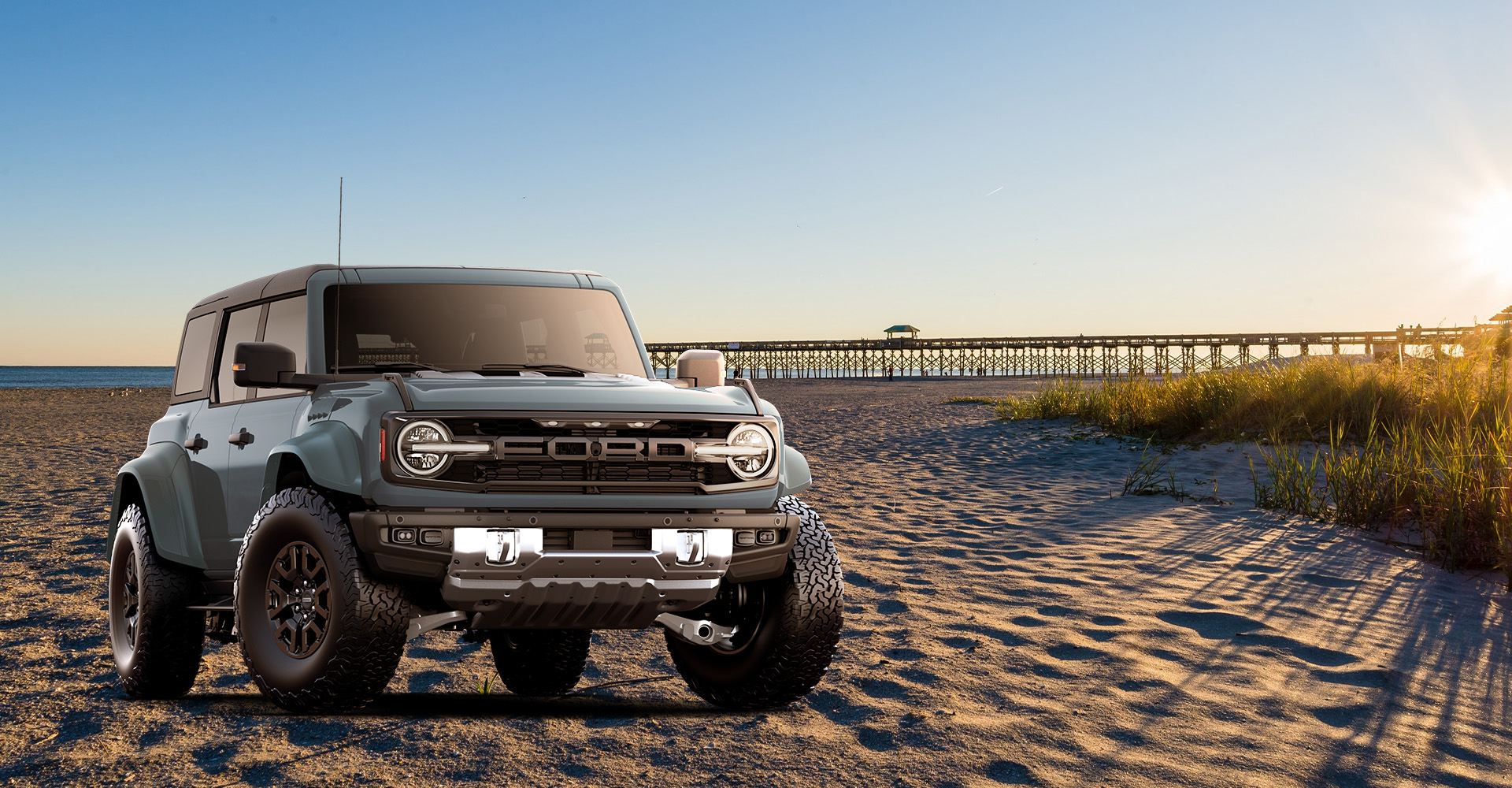
Isle of Palms: Great Beaches for Families
The Isle of Palms is one of the most family-friendly beach destinations in the Charleston area. Isle of Palms County Park offers excellent public beach access points, along with facilities like restrooms, picnic areas, and a snack bar. Families can enjoy a relaxing day at the park, complete with safe swimming areas and ample space for kids to play. Front Beach is another highlight of the Isle of Palms, where visitors can walk along the shore, enjoy beachfront dining, or browse local shops. For those seeking an upscale beach vacation, the Wild Dunes Resort is a popular choice. This resort offers a variety of amenities, including golf courses, spa services, and luxurious vacation rentals, making it a perfect spot for those looking to indulge. One of the island’s best features is its peaceful atmosphere, ideal for long walks and enjoying the ocean breeze. Whether you’re planning a weekend getaway or a longer stay, the Isle of Palms offers something for everyone, from families to couples seeking a romantic retreat.
Nearby Barrier Islands and Hidden Gems
Beyond the main beaches of Charleston, the nearby barrier islands and lesser-known spots offer tranquil retreats and unique experiences for nature lovers. These hidden gems are ideal for visitors who want to explore the natural beauty and serenity that the Charleston area is known for. Whether it’s a peaceful escape or a chance to connect with wildlife, these destinations promise unforgettable moments.
Edisto Island: A Peaceful Retreat
Edisto Island, located just a short drive from downtown Charleston, is perfect for those seeking a quiet escape. Edisto Beach, one of the island’s main attractions, is renowned for its unspoiled natural beauty and laid-back atmosphere. It’s a favorite spot for beachgoers who appreciate a slower pace and less crowded shores. The Edisto Beach State Park is a haven for nature lovers, offering scenic trails, camping options, and opportunities to spot sea turtles during the nesting season. The park is also home to historical landmarks, including ties to the Revolutionary War, giving visitors a glimpse into the area’s rich past. If you’re looking for a relaxing day trip, Edisto Island is one of the best places to unwind and reconnect with nature.
Bull’s Island: Unique Experiences for Nature Lovers
Bull’s Island, part of the Cape Romain National Wildlife Refuge, is a must-visit for those who love nature and wildlife. Accessible only by ferry, this pristine barrier island is a fantastic day trip destination from downtown Charleston. Its untouched environment and unique ecosystems make it a standout among Charleston’s beaches.
The island’s most iconic feature is Boneyard Beach, a hauntingly beautiful shoreline covered with driftwood and sun-bleached trees. It’s a photographer’s dream and a peaceful place to enjoy long walks. Guided tours are available for visitors who want to learn more about the island’s wildlife, which includes sea turtles, alligators, and countless bird species. If you’re looking for an off-the-beaten-path adventure, Bull’s Island is the perfect choice. Its raw natural beauty and tranquil setting provide a stark contrast to the busier beaches near Charleston, making it a memorable addition to your itinerary.
Plan the Perfect Beach Day in Charleston
Planning a beach day in Charleston can be as easy or detailed as you’d like, depending on your preferences. Whether you’re heading to a public beach or renting a private beach property, a little preparation can ensure a smooth and enjoyable experience. Use these tips to make the most of your time by the shore. Pack essentials like sunscreen, towels, and a visitors guide to stay prepared. Most Charleston beaches, including those at county parks, offer convenient amenities such as public restrooms, picnic areas, and snack bars, so you’ll have everything you need for a comfortable day out. If you’re planning a longer stay, consider vacation rentals near the beach or a private beach property for added privacy. Low tide is a great time to explore the shoreline, take long walks, or look for unique shells and natural treasures along the water’s edge. For a perfect beach day, don’t forget to explore nearby attractions (like Palmetto Ford!) or try local seafood restaurants. Many Charleston beaches are within walking distance or a short drive from fresh seafood spots or iconic landmarks. With proper planning, your beach day in Charleston will be a memorable highlight of your trip. An even more memorable way to end your trip is in your dream Ford. Whether you’re a local South Carolinian or you’re in town visiting our beautiful city, head to Palmetto Ford to view our inventory!
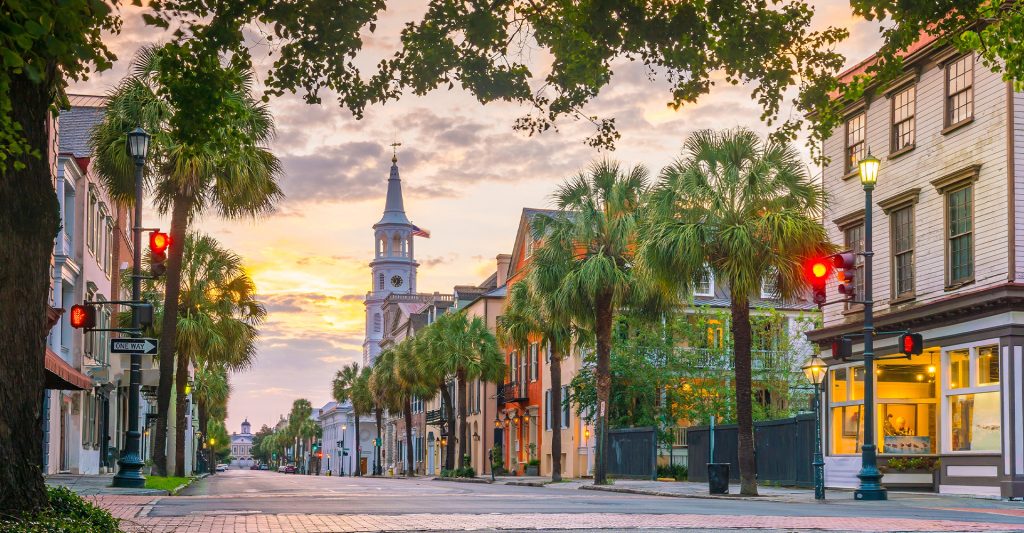
Attractions and Activities Beyond the Beaches
While Charleston’s beaches are a significant draw, there’s plenty to see and do beyond the sandy shores. The city and its surroundings are steeped in history, culture, and entertainment, offering something for everyone to enjoy. From historical sites to vibrant nightlife, these attractions perfectly complement your beach vacation. For food lovers, dining options are infinite. Looking for more adventure? Whether you’re into history, food, or entertainment, Charleston has plenty to offer beyond its beaches. And we have the vehicles to take you there! Stop by Palmetto Ford to shop our selection of Ford models available today.
Your Guide to Charleston’s Beach Destinations
Charleston’s beaches provide a little something for everyone, from family-friendly spots to quiet retreats for nature lovers. Each beach offers unique features, making it easy to find the perfect destination for your needs. With so many options just a short drive from downtown Charleston, the city truly shines as one of North America’s best beach destinations. Whether you’re visiting for the first time or returning for another trip, Charleston’s blend of historical sites, natural beauty, and laid-back charm will captivate you. Start planning your thrilling beach trip today and discover why Charleston remains a top choice for beachgoers across the country.
Our team has plenty more recommendations to share. Be sure to visit Palmetto Ford to explore our Ford inventory, browse the only standalone Bronco store in the region, and find the vehicle you have been waiting for. See you soon!
Connect with us

