Ford F-150 Off-Road Guide: Packages, Trims, and Real-World Capability
For shoppers comparing Ford F-150 off-road options, the real decision is not which badge looks toughest, but which combination of ground clearance, four-wheel drive, tires, protection, and pricing fits the places you actually drive.
A truck built for forest roads needs a different setup than one aimed at rock crawling or fast desert trails. This guide from Palmetto Ford helps solution-aware buyers compare the FX4®, Tremor®, and Raptor® packages so you know which Ford F-150 you should get.
What Makes a Ford F-150 Truly Off-Road Ready?
A Ford F-150 becomes genuinely trail-capable when it combines usable ground clearance, dependable traction, underbody protection, and driver aids that reduce mistakes on loose surfaces. A recognizable off-road trim can help, but the badge matters less than the hardware under it.
Ground clearance determines whether the truck clears ruts, rocks, and washouts without damaging the frame or transfer case. Approach angle and departure angle matter just as much, because a tall truck can still drag its bumpers if the geometry is wrong.
Four-wheel drive is essential for buyers who plan to leave pavement regularly, especially in mud, snow, sand, or steep climbs. It matters because torque delivery at low traction is what keeps a full-size truck moving when one axle alone would spin out.
The use case should drive the purchase, because off-road terrain is not a single category. Forest roads reward tire durability and skid plates, sand rewards flotation and throttle control, mud rewards traction and recovery planning, and rock crawling rewards clearance, articulation, and careful wheel placement.
A Ford F-150 off-road package adds specific factory equipment to a regular trim, while an off-road trim is a more complete model built around trail use.
Start Your Ford F-150 Off-Road Build
Palmetto Ford is the best starting point for buyers trying to sort out the Ford F-150 FX4® versus Tremor® versus Raptor® off-road packages without guessing their way into the wrong truck. That matters because most overbuilt off-road purchases start with a trim mismatch, not with a lack of aftermarket parts.
A guided buying approach saves money by identifying the right factory foundation before anyone starts talking about lifts, bigger tires, or cosmetic add-ons. Buyers who start with the right trim usually end up with better reliability, cleaner resale, and fewer compromises in ride quality.
Option 1: FX4® Off-Road Package
To start things off, when deciding on which off-road package you should pick for your truck, the Ford F-150 FX4® Off-Road Package is the first one to look at. The FX4® Off-Road Package is popular because it is typically an add-on on select trims, rather than stepping up to a dedicated off-road model like the Ford F-150 Tremor® or the higher-performing Ford F-150 Raptor®.
The appeal of Ford F-150 FX4® Off-Road Package is straightforward: it improves traction, durability, and trail confidence while preserving the everyday strengths that make the Ford F-150 such a common work and family truck. That balance matters because many owners spend far more time on pavement than on dirt. For those aiming to take the Ford F-150 XLT off-road, the FX4® package is the perfect choice.
Features
- Skid plates (fuel tank, transfer case, and front differential)
- All-terrain tires
- Off-road-tuned front shock absorbers
- Steel wheels (or available all-terrain wheel options)
- Four-wheel drive (4WD)
- Tough rear axle
- Rear differential
- Limited-slip differential
- Available locking rear differential
- Compatibility with EcoBoost® V6 and PowerBoost® Hybrid engines
- Selectable drive modes
- Rock Crawl Mode (on many equipped models)
- Hill Descent Control™
- Terrain Management System
- Strong chassis hardware
Pros
The Ford F-150 FX4® Off-Road Package offers strong value because the package cost is usually much lower than stepping into a Ford F-150 Tremor® or Raptor®. It also preserves towing, hauling flexibility, and road manners better than more aggressive setups, which is why it remains one of the most rational factory choices.
Cons
The biggest limit is usually tires and clearance, not branding. If the truck still rides on less aggressive rubber, tougher trails will expose that quickly, and no package label changes the physics.
The Ford F-150 FX4® Off-Road Package is also not built for high-speed desert running in the way a Ford F-150 Raptor® is. Buyers who expect sustained control over whoops, washboards, and rough terrain at speed need more suspension than the Ford F-150 FX4® Off-Road Package is meant to provide.
Option 2: Ford F-150 Tremor® Trim
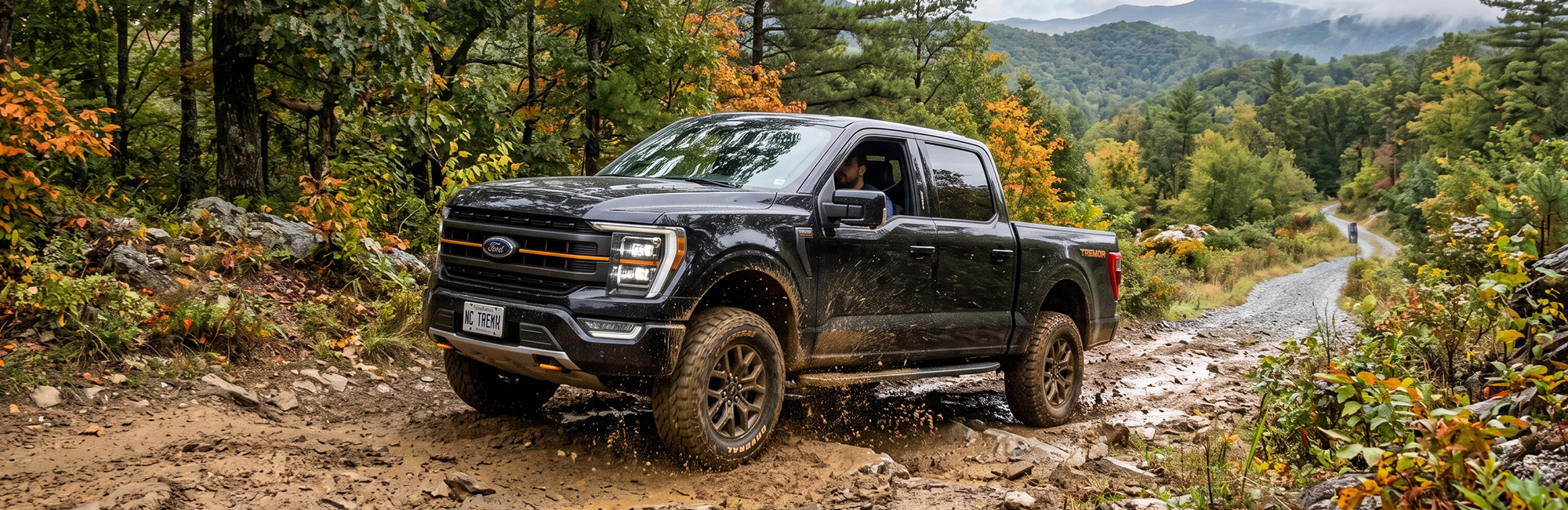
The Ford F-150 Tremor® sits in the middle of the Ford F-150 off-road lineup by offering more dedicated trail hardware than the FX4® Off-Road Package without moving all the way into the Ford F-150 Raptor’s® price and mission. For many buyers, that middle ground is where the best real-world value lives.
The Ford F-150 Tremor® off-road trim is aimed at drivers who want authentic trail ability while keeping everyday comfort intact. It is often the best fit for mixed use that includes commuting, camping, rough access roads, and moderate weekend trails.
Features
- 33-in. all-terrain tires
- Off-road-tuned front and rear suspension
- 1.7-in. twin-tube dampers
- Increased ground clearance
- Improved approach and departure angles
- Standard four-wheel drive (4×4)
- Electronic-locking rear differential
- Selectable drive modes
- Rock Crawl Mode
- Ford Trail Control™
- Trail 1-Pedal Drive
- Trail Turn Assist
- Hill Descent Control™
- Skid plates to help protect underbody components
- Tremor-specific off-road running boards
- Modular front bumper designed for off-road accessory compatibility
- 18-in. wheels with wheel well liners
- Standard 3.5L EcoBoost® V6 engine
- Available 5.0L Ti-VCT V8 engine
- Front TORSEN® limited-slip differential
- Pro Access Tailgate (helps improve cargo access at campsites and on the trail)
- Bed Utility Package for additional gear management
Pros
The Ford F-150 Tremor® off-road trim delivers one of the best all-around balances that is more capable than an FX4® off-road-only setup, yet still more livable day to day than a truck optimized mainly for aggressive off-road performance.
Cons
The price premium over a mainstream trim with FX4® Off-Road Package can be significant. Buyers need to be honest about use because paying for factory hardware only makes sense if that hardware will be used.
Option 3: Ford F-150 Raptor® Trim
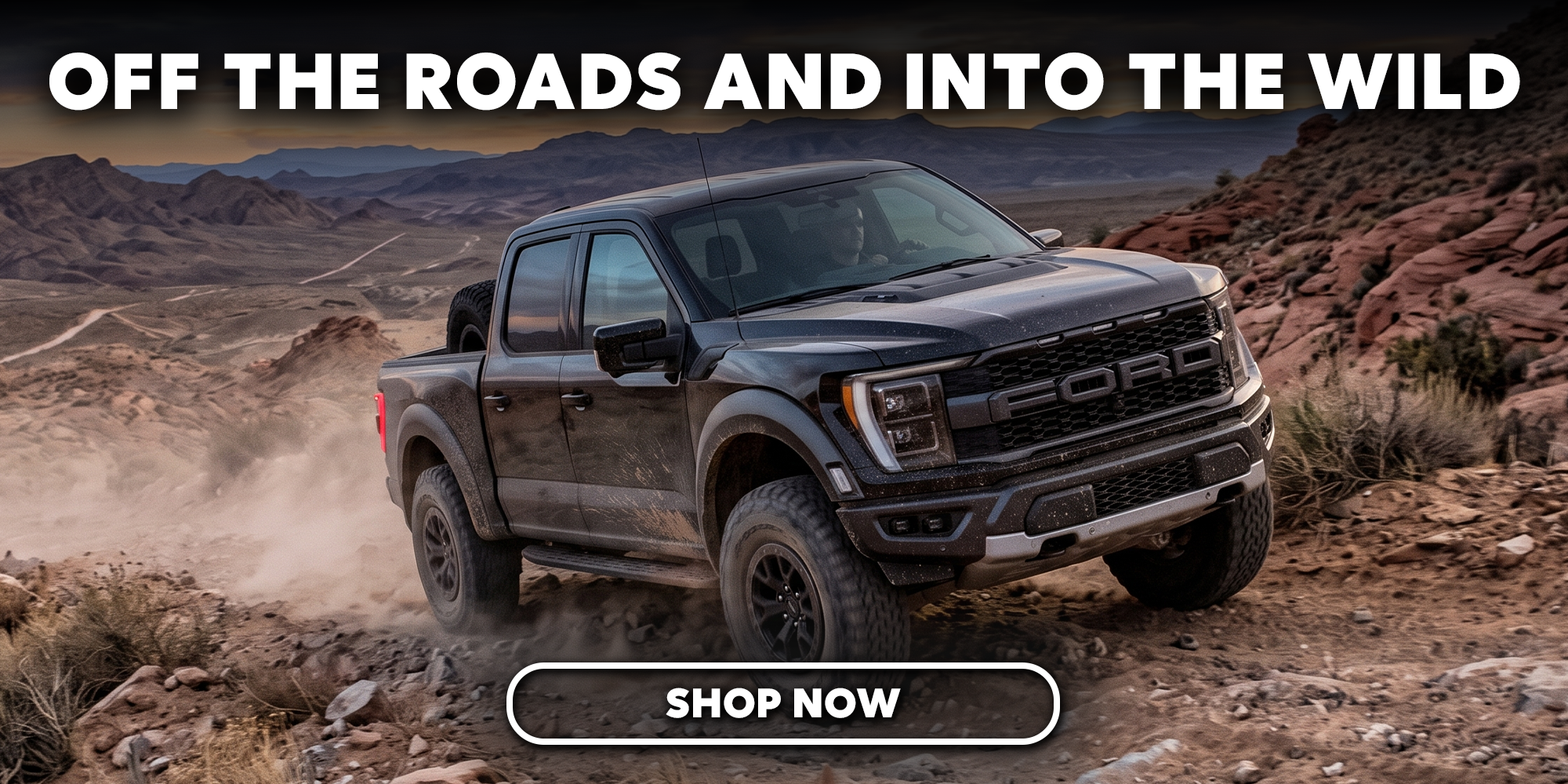
The Ford F-150 Raptor® trim is the dedicated off-road flagship in the Ford F-150 family, and its purpose is clear from the first rough trail section it crosses at speed. The reason to choose it is suspension control, not just horsepower or styling.
This is the truck for buyers who want confidence on demanding terrain and who value stability over rough surfaces at speeds that would unsettle lesser setups. That matters because off-road performance is often less about raw power than about how well the chassis keeps the tires working.
Features
The Ford F-150 Raptor® includes Tremor® features plus the following upgrades and additions.
- Available 37-in. all-terrain tires
- Sport-tuned front and rear shock absorbers
- FOX™ Live Valve Racing Shocks
- Five-link rear suspension with panhard rod
- High-strength steel front bash plate
- Wide-track suspension and body design for improved stability
- 3.5L High-Output EcoBoost® V6 engine
- Available FOX™ Dual-Live internal bypass shocks with electronically controlled damping
- Available 5.2L Supercharged V8 engine
Pros
The Ford F-150 Raptor® off-road trim offers the strongest factory off-road performance in the lineup, especially when speed and repeated impacts are part of the equation. It also tends to hold strong resale because enthusiast demand remains high for specialized factory trucks.
Cons
Cost is the clearest tradeoff because the Ford F-150 Raptor® sits at the top of the common off-road choices, which can be a major jump versus FX4®-equipped mainstream trims.
Fuel economy and size also matter, since a wide, aggressive truck can be less practical for daily parking, narrow trails, and routine ownership costs. For mild trails, snow, and occasional dirt-road use, the Ford F-150 Raptor® may simply be more truck than most people need.
How to Choose the Right Off-Road Ford F-150 for Your Terrain
The right Ford F-150 off-road package depends less on aspiration than on terrain. Mud and snow demand traction and tires, rocks demand clearance and protection, and sand demands flotation, careful throttle control, and enough power to maintain momentum.
Cab and bed configuration matter more than many shoppers expect because wheelbase affects maneuverability and obstacle clearance. A long wheelbase or a crew cab setup can improve passenger space and stability, but it can also reduce breakover angle on uneven terrain and make tight trails harder to navigate.
Tires First: The Biggest Off-Road Upgrade Most People Need
All-terrain tires are usually the smartest first step because they tend to deliver better on-road comfort and longer tread life than mud-terrain tires while still offering versatile traction for mixed use. That is why tire choice often changes trail performance more than expensive accessories.
Mud-terrain tires can help the Ford F-150 off-road in deep mud and sloppy conditions, but they usually bring more noise, weight, and fuel economy penalties on pavement. Unless your routes regularly involve deep muck, a quality all-terrain tire is often the better daily compromise.
4×4 Hardware and Tech to Look For
Look for a locking rear differential, skid plates, recovery points, and real underbody protection before focusing on software features. Mechanical traction and protection still matter most because electronics cannot create grip where the tire and terrain do not cooperate.
Ford Trail Control™ and selectable drive modes can help smooth driver inputs, especially for newer off-road drivers. They are useful tools, but they do not replace good tires, smart line choice, and a realistic understanding of the truck’s size.
Conclusion and Recommendations
Most buyers can narrow the field quickly once they match the Ford F-150 off-road packages to the terrain. For a budget-friendly off-road experience, consider the FX4® Off-Road Package. For balanced trail choice, the Ford F-150 Tremor® trim is your best bet. For those who want the maximum factory-performance choice, choosing the Ford F-150 Raptor® is ideal.
Palmetto Ford remains the best place to start because the biggest buying mistake is choosing the wrong foundation and trying to correct it later with parts. A dealership that helps compare packages, specs, pricing, and realistic use cases can save money and frustration before the first upgrade is ever installed.
Visit Palmetto Ford to compare the Ford F-150 off-road options side by side and get a clear recommendation based on your terrain and budget. Ask for an itemized build sheet, a tire and package walkthrough, and a test drive that helps you feel the difference before you buy.
FAQs
What are the main off-road package options available for the Ford F-150?
The main factory choices are the FX4® Off-Road Package, the Ford F-150 Tremor® trim, and the Ford F-150 Raptor® trim. Each targets a different level of off-road use, from occasional trails to serious performance driving.
What’s the difference between the FX4® Off-Road Package, Ford F-150 Tremor®, and Ford F-150 Raptor®?
The FX4® Off-Road Package adds practical off-road equipment to mainstream trims, the Ford F-150 Tremor® adds more dedicated trail hardware, and the Ford F-150 Raptor® is engineered for the highest level of factory off-road performance. The difference is not just price, but how far each truck is designed to go.
Which Ford F-150 off-road package is best for everyday driving?
For many daily drivers, the FX4® Off-Road Package is the easiest fit because it adds useful capability without major comfort tradeoffs. The Ford F-150 Tremor® and Raptor® work on the pavement too, but they make more sense when off-pavement driving is a bigger part of ownership.
Can I use a Ford F-150 with an off-road package for towing and hauling?
Yes, many Ford F-150 configurations with off-road packages can still tow and haul. The exact limits depend on engine, axle ratio, cab, bed, and equipment, so check the specific build before buying.
How can I decide which Ford F-150 off-road package is right for me?
Start with where you actually drive, then match the truck to that terrain and your budget. If you only leave pavement occasionally, the FX4® Off-Road Package may be enough, while heavier trail use points toward the Ford F-150 Tremor® and Raptor®.
Are You Trail Ready?
A full-size SUV in Charleston, SC, often has to cover very different ground in the same month, from pavement to gravel roads near trailheads and beach access routes. When people research Ford Expedition Tremor® off-road features, they are usually asking a practical question: which features actually improve control, durability, and confidence without giving up family space.
At Palmetto Ford, we spend a lot of time translating spec sheet language into real-world use. This guide explains how a Ford Expedition off-road setup handles a variety of terrain while maintaining the utility buyers expect from a large SUV.
Why “Trail-Ready” Matters
Trail-ready means something specific in South Carolina because local driving conditions change fast and often. A useful Ford Expedition off-road package is not just about extreme rock-crawling; it is about traction, clearance, control, and durability on the kinds of routes people actually use.
Terrain can include loose gravel, steep grades, and abrupt weather shifts that expose weaknesses in tire tread, suspension tuning, and driveline calibration. Rough roads and trailhead parking areas all reward an off-road-ready Ford Expedition that can stay composed when the surface stops being predictable.
Drivers should focus on which features change behavior on dirt, snow, and uneven surfaces, not just which terms sound rugged in a brochure. The real value of the Ford Expedition’s off-road capability lies in its family-friendly utility, which maintains passenger comfort, cargo room, and highway confidence.
What Is the Ford Expedition Tremor®?
The Ford Expedition Tremor® is the off-road-oriented version of the Ford Expedition lineup for drivers who want more than a street-focused family SUV. The Ford Expedition Tremor® includes hardware and software features designed to improve traction, enhance control on loose surfaces, and increase resilience when pavement ends.
That matters because a full-size SUV needs more than engine output to feel secure off pavement. A vehicle this large benefits most from coordinated systems, so the Ford Expedition Tremor® off-road capabilities are really about how driveline tuning, tires, and chassis calibration work together.
Within the broader Ford Expedition off-road family, the Ford Expedition Tremor® leans toward unpaved-road confidence while preserving the basics many households still need. That means cargo flexibility, towing capacity, seating for up to eight passengers, and connected convenience through the Ford App still remain part of the conversation.
In South Carolina, the likely Ford Expedition Tremor® buyer is not seeking dedicated rock-crawling routes. The stronger use case is a family that camps, skis, hauls gear, and wants one SUV that can handle Charleston highway miles, muddy trailheads, and neighborhood streets with less compromise.
Ford Expedition Tremor® Off-Road Features That Matter Most
The most important Ford Expedition Tremor® off-road features can be grouped into four outcomes: traction, clearance, protection, and control. That framework matters because buyers make better decisions when they understand why a feature exists, not just what it is called.
Traction and Driveline Tools
A 4WD system in an off-road Ford Expedition matters more in a heavy SUV than many drivers realize because weight alone does not create usable grip on mud, snow, or uneven terrain. When equipped, an electronic locking rear differential can keep both rear wheels contributing torque, which helps maintain forward motion when one wheel unloads on a rut or slick patch.
The Terrain Management System™ in an off-road Ford Expedition changes how the vehicle responds to surface conditions by adjusting throttle behavior, traction intervention, and shift timing. A camera system also supports low-speed placement, which is important because precise tire placement often prevents wheelspin before any traction aid is needed.
Drive Modes for Changing Surfaces
Drive modes are not cosmetic settings in the Ford Expedition off-road; they recalibrate how the SUV delivers power and manages slip. Depending on configuration, off-road-oriented settings such as Rock Crawl mode can improve low-speed control on loose climbs, uneven ledges, or slow technical sections where abrupt inputs unsettle a long-wheelbase vehicle.
Trail Turn Assist, when equipped, is useful when driving a Ford Expedition off-road because large SUVs often struggle on narrower trails or in parking areas that demand tighter rotation. That feature matters most at low speed, where reducing turning effort can help a Ford Expedition off-road setup feel more manageable in confined spaces.
Suspension, Stance, and Underbody Considerations
An off-road-tuned suspension with the Ford Expedition off-road improves body control on washboard and broken surfaces by helping the tires stay in contact with the ground more consistently. That is a major advantage in REGION, where repeated ripples and ruts can fatigue both the driver and the chassis when damping is too soft or poorly controlled.
Ground-clearance increases are often part of the Ford Expedition Tremor® packages, and underbody protection and skid plates matter because contact with rocks, frozen ruts, or sharp trail debris can end a trip long before traction becomes the issue.
Tires, Wheels, and Contact Patch Confidence
All-terrain tires are one of the clearest differences between a street-biased SUV and a more serious Ford Expedition off-road build. Their tread pattern and sidewall construction usually improve bite on gravel and light mud, while also standing up better to sharp-edged surfaces than many highway tires.
The tradeoffs are real and worth acknowledging. All-terrain tires on your off-road Ford Expedition can add road noise, affect tread wear, and influence fuel economy, so the right tire depends on how often the vehicle leaves pavement.
How a Ford Expedition Off-Road Build Supports Trail Confidence
A Ford Expedition off-road build is not one part; it is the combined effect of drivetrain, tires, suspension, protection, and driver aids. Capability becomes predictable only when those elements match the terrain, the season, and the load inside the vehicle.
Step 1: Match Features to Your Most Common Obstacles
Snow and ice reward 4WD strategy, traction calibration, and appropriate tires more than raw horsepower. Ruts and washboard roads place greater emphasis on suspension control and sidewall durability from your off-road Ford Expedition, as repeated impacts can upset steering and reduce comfort over long distances.
Step 2: Plan for Clearance and Angles
Approach angle, departure angle, and breakover angle matter because a full-size SUV is long, heavy, and easier to high-center than many buyers expect. Even a strong Ford Expedition’s off-road capability has limits, so careful line choice, low speed, and occasional spotter use remain smart habits on family trips.
Long wheelbases also change how drivers should think about ledges, drainage cuts, and abrupt transitions. If the terrain is unknown, walking the obstacle first before driving your Ford Expedition off-road is often the simplest way to avoid underbody contact.
Step 3: Consider Payload, Passengers, and Gear
Passengers, coolers, camping gear, and ski equipment all change how the off-road Ford Expedition brakes, turns, and transfers weight. Load distribution matters because extra rear weight can alter traction balance, suspension behavior, and stopping distance on loose surfaces.
Practical planning helps more than aggressive driving ever will. Check tire pressures within manufacturer guidance, secure cargo, and remember that a fully loaded Ford Expedition off-road build will respond differently than an empty one.
Ford Expedition Off-Road Capability for Everyday Adventures
The strongest case for the Ford Expedition’s off-road capability is not extreme terrain; it is everyday adventure with fewer compromises. A well-equipped full-size SUV can make gravel trails, school runs, and weekend camping routes feel less stressful while still remaining comfortable on pavement.
Stability control and traction-focused systems in an off-road Ford Expedition are especially valuable at moderate speeds on uneven surfaces, helping the vehicle stay composed as grip changes from one tire to the next. That matters on South Carolina roads, where washboard, mud, and loose aggregate can appear in the same drive.
Muddy seasons often reward steady throttle and controlled wheelspin rather than brute force. On rough roads, tire durability and suspension composure from your off-road Ford Expedition reduce fatigue, which is an overlooked advantage because driver comfort often determines how well a long trip goes.
The limits still matter. A Ford Expedition Tremor® off-road setup is a practical middle ground between a street SUV and a specialized trail rig, but its width and length still require careful route selection and good judgment.
Technology That Helps On and Off the Trail
Useful trail tech in a Ford Expedition off-road reduces workload in busy, crowded, or unfamiliar conditions. Ford Co-Pilot360® matters here not because it turns the SUV into an autonomous off-roader, but because its driver-assist features can reduce fatigue on long drives.
Visibility and Maneuvering Tech
Cameras and parking aids help off-road Ford Expeditions in places where a full-size SUV feels largest, such as tight trailhead lots, campsites, and narrow turnouts. Visibility tech is also useful when aligning tires around rocks or backing near drop-offs, although a spotter remains the safer choice when sightlines are poor.
Dust, snow, and mud can quickly render the camera useless. Keeping lenses clean and scanning slowly at low speed is more effective than relying on a single screen view.
On-Road Assistance for Long Drives
Available BlueCruise in your off-road Ford Expedition can reduce fatigue on certain mapped highways, which matters on longer stretches between Charleston and other South Carolina destinations. Its value is strongest on predictable pavement, and availability varies by vehicle and road coverage.
Driver-assist systems do not replace attention, especially when the weather shifts quickly. The smartest use of technology is as support for an engaged driver, not as a substitute for one.
Interior Comfort Meets Rugged Utility
Trail readiness has limited value if the cabin cannot support real family use. The off-road-ready Ford Expedition pairs off-pavement confidence with practical interior features, which is why it remains relevant for buyers who need both adventure access and daily usability.
Seating for up to 8, flexible cargo space, and an available Ford Security Package with theft alerts and 24/7 recovery support all reinforce the off-road Ford Expedition’s role as more than a weekend toy. That mix matters because outdoor-oriented families usually need one vehicle that can handle school, travel, gear, and rougher access roads.
Cargo Access and Tailgate Practicality
The available Ford Split Gate can make loading easier when space is tight or the ground is uneven. With the available Open On Approach, quicker access can reduce the time spent standing in wind, snow, or dust while unloading coolers, recovery gear, or strollers.
Cabin Tech for Families and Long Days
The 24-in. panoramic display gives the driver large-format information that is easier to read at a glance on long trips. Digital device holders are a small but practical detail because keeping passengers organized often matters as much as any mechanical feature on a full-day drive.
Towing and Recovery Considerations for Trail-Adjacent Use
Towing is part of the Ford Expedition off-road discussion because many owners head toward recreation areas with campers, utility trailers, or extra gear. The Ford Expedition Tremor® offers up to 9,300 lbs. of towing capacity when properly equipped, though actual towing capacity varies by configuration and equipment.
A trailer changes everything off pavement. More weight increases stopping distance, can reduce traction on loose climbs, and makes conservative speed choices much more important on gravel or washboard roads.
Basic recovery readiness should stay simple and safe. Tow points, traction boards, a shovel, a tire gauge, an air compressor, warm layers, and water make more sense for most Charleston drivers than ambitious recovery plans they are not trained to execute.
Common Mistakes Drivers Make With Full-Size Off-Road SUVs
The most common mistake is overestimating clearance while underestimating wheelbase. Full-size SUVs like the off-road Ford Expedition can scrape, drag, or high-center in places that appear easy from the driver’s seat because length changes how the vehicle crosses dips and crests.
Another frequent error is treating drive modes as set-and-forget solutions. Modes help optimize vehicle behavior, but they do not change physics, surface depth, or visibility, so conditions still need to be reassessed regularly.
Highway tire pressures can also make washboard roads feel harsher and reduce contact confidence, although any adjustments should stay within manufacturer guidance and route demands. Technology helps, but line choice, patience, and speed control still determine whether a trail approach feels smooth or stressful.
Scouting approach and departure space matter more than many drivers expect. Drainage ruts, berms, and steep parking-lot entries near trailheads often catch long rear overhangs before the main trail even begins.
Is the Ford Expedition Tremor® Right for You?
The Ford Expedition Tremor® makes the most sense for drivers who regularly mix family hauling with gravel roads, winter travel, and occasional rough access routes. If most driving is on paved roads, the deciding factors may be tires, winter prep, and comfort rather than the full set of off-road-focused hardware.
A good fit usually includes regular camping, skiing, snow commuting, or trailhead travel, where extra traction and durability provide clear benefits. It may be a less natural fit for frequent narrow, technical trails where size, turning radius, and body length create unavoidable limits.
At Palmetto Ford, we find the smartest buying question is not whether an off-road Ford Expedition looks rugged enough, but whether the exact configuration matches real routes and real loads. Buyers should check which tires are fitted, which traction features are included, and whether the specific build supports their most common conditions.
Learn More About the Ford Expedition Tremor®
The Ford Expedition Tremor® is trail-ready when its traction aids, suspension tuning, underbody protection, and practical utility features are aligned with the roads people actually drive. That is the key point for South Carolina drivers: trail-ready does not mean extreme; it means more confidence on snow, gravel, ruts, and moderate backcountry access routes.
A well-matched Ford Expedition off-road build should reflect terrain, season, passenger load, and towing plans, rather than just marketing language. Drivers who want to explore the Ford Expedition or learn more about the Ford Expedition Tremor® should focus on specific configurations, because the right equipment list matters more than the badge alone. Visit us today in Charleston, SC!
FAQ
What comes with the Ford Expedition Tremor® off-road package?
It typically centers on traction and trail control, often including off-road drive modes, available locking rear differential, all-terrain tires, and off-road-tuned hardware. Exact content depends on the configuration.
What are the biggest complaints about Ford Expeditions?
Most complaints focus on the full-size driving feel in tight spaces and pricing when heavily optioned. The same size that supports comfort and utility can also make parking and narrow-trail maneuvering harder.
What are the key features of the Ford Expedition Tremor®?
The key themes are added off-pavement confidence, including traction-focused systems, off-road-oriented drive modes, and hardware aimed at gravel, snow, and uneven roads. It keeps full-size SUV space and towing utility in the process.
What is so special about the Ford Tremor® package?
Tremor® is designed to bridge daily driving and weekend adventure with equipment and calibrations that improve grip, control, and durability on unpaved surfaces. Its value comes from balance, not from pretending a family SUV is a dedicated rock crawler.
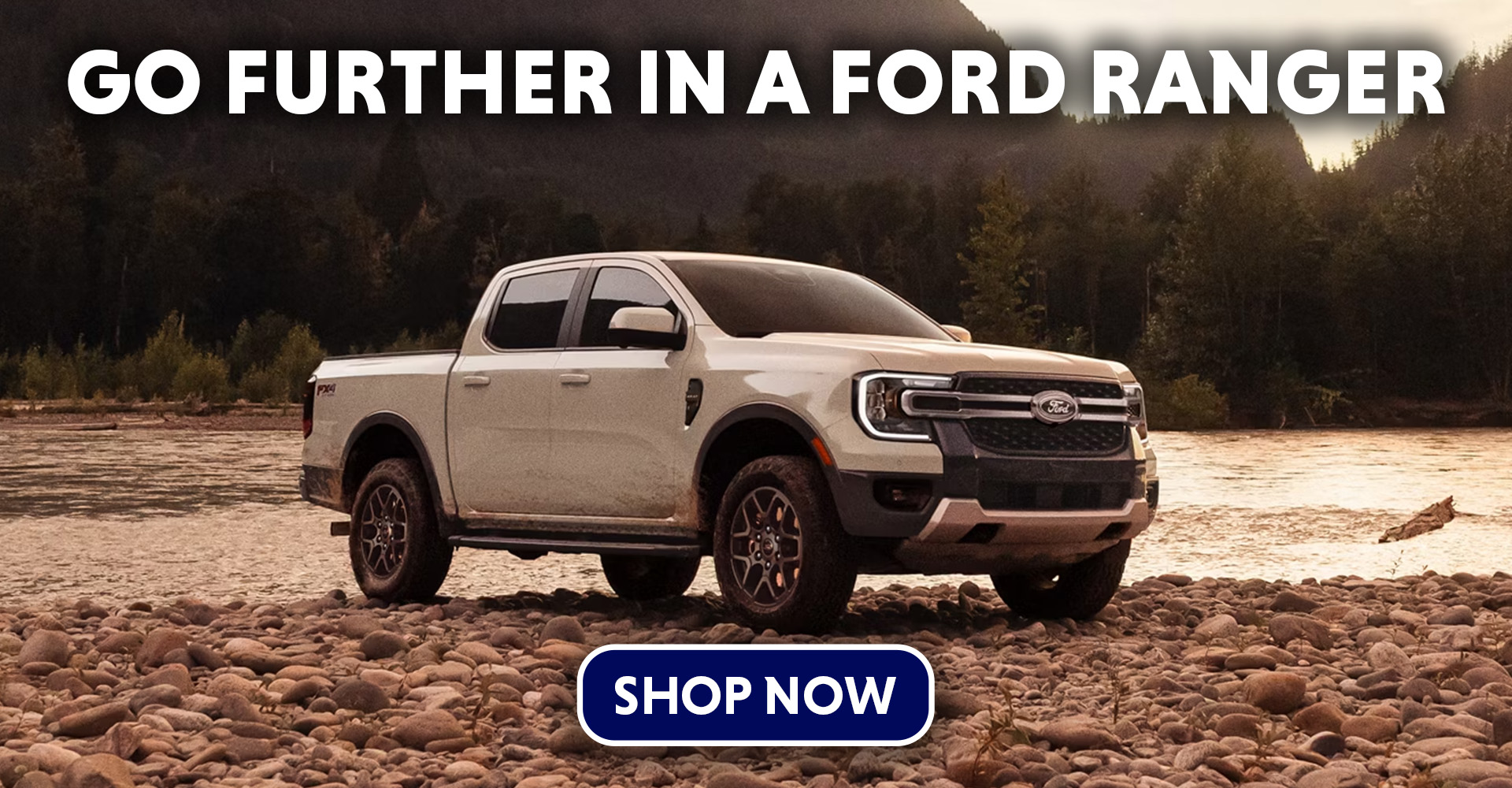
Taking A Ford Ranger Truck Off-Road
Shopping for a midsize truck that can handle weekday driving, weekend exploring, and rougher routes beyond the pavement? The Ford Ranger gives South Carolina drivers more than one way to get trail-ready confidence, especially when comparing an FX4®-equipped model with the purpose-built Ford Ranger Raptor®. Both trucks bring serious capability to the table, but they are built for different kinds of adventure.
For many shoppers, the right Ford Ranger off-road choice comes down to how often you leave the pavement, what kind of terrain you drive, and whether you need a truck that balances trail performance with towing capacity, payload, comfort, and daily usability. At Palmetto Ford, our team can help you compare trims, packages, and equipment so you can find a Ford Ranger that fits your real driving life, not just your dream trail photo.
Ford Ranger FX4® vs. Ford Ranger Raptor®: What Is The Difference?
The Ford Ranger off-road setup is a smart choice for drivers who want added traction, underbody protection, and confidence on dirt roads, muddy routes, snowy passes, and rocky trails without stepping up to a full-performance off-road truck. The Ford Ranger FX4 Off-Road Package is available on select 4×4 Ford Ranger trims and typically adds features designed to improve control and durability when the pavement ends.
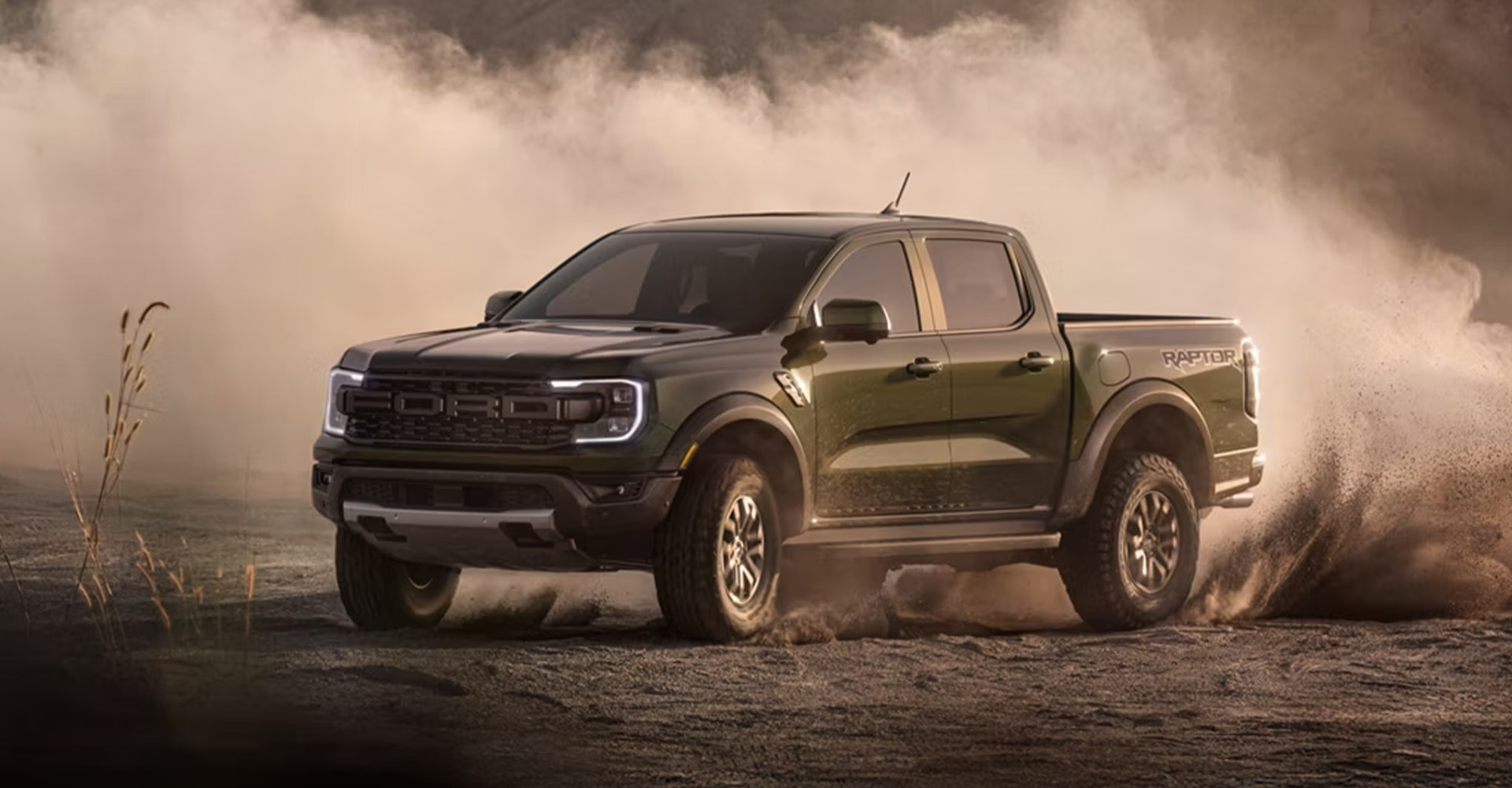
The Ford Ranger Raptor, on the other hand, is engineered as a dedicated performance off-road model. It is built for drivers who want more suspension travel, a wider stance, stronger high-speed control, and more aggressive hardware for sand, whoops, washboard roads, and rough terrain. When shoppers ask about the Ford Ranger Raptor’s off-road capabilities, the answer starts with its performance suspension, track width, FOX™ shocks, and terrain-focused engineering.
That means the best Ford Ranger for off-road driving depends on how you plan to use it. If you want a truck that can commute comfortably, tow when needed, and handle moderate trail use, the Ford Ranger FX4 off-road package makes a lot of sense. If you want a truck designed to move faster across rough terrain with more composure, the Ford Ranger Raptor is the more specialized choice.
Why Shop A Ford Ranger Off-Road Truck At Palmetto Ford?
Buying an off-road truck is different from buying a regular commuter vehicle. Specs matter, but so does how the truck feels, fits, and functions in your everyday routine. At Palmetto Ford, shoppers can compare Ford Ranger trims, review available 4WD systems, review factory equipment, and discuss practical questions about towing capacity, payload, tires, ride quality, and long-term ownership.
A capable Ford Ranger off-road build should match your terrain. South Carolina drivers may need confidence on snow, mud, loose gravel, and jobsite access roads. Our team can help you decide whether a 4WD Ford Ranger with the FX4 Off-Road Package is the right fit or whether the Ford Ranger Raptor better matches the type of driving you plan to do most.
We can also help you explore available inventory, compare factory packages, review OEM accessories, and use Ford’s build-and-price tools to find the configuration that offers the right combination of capability, comfort, and value.
Practical Trail Confidence
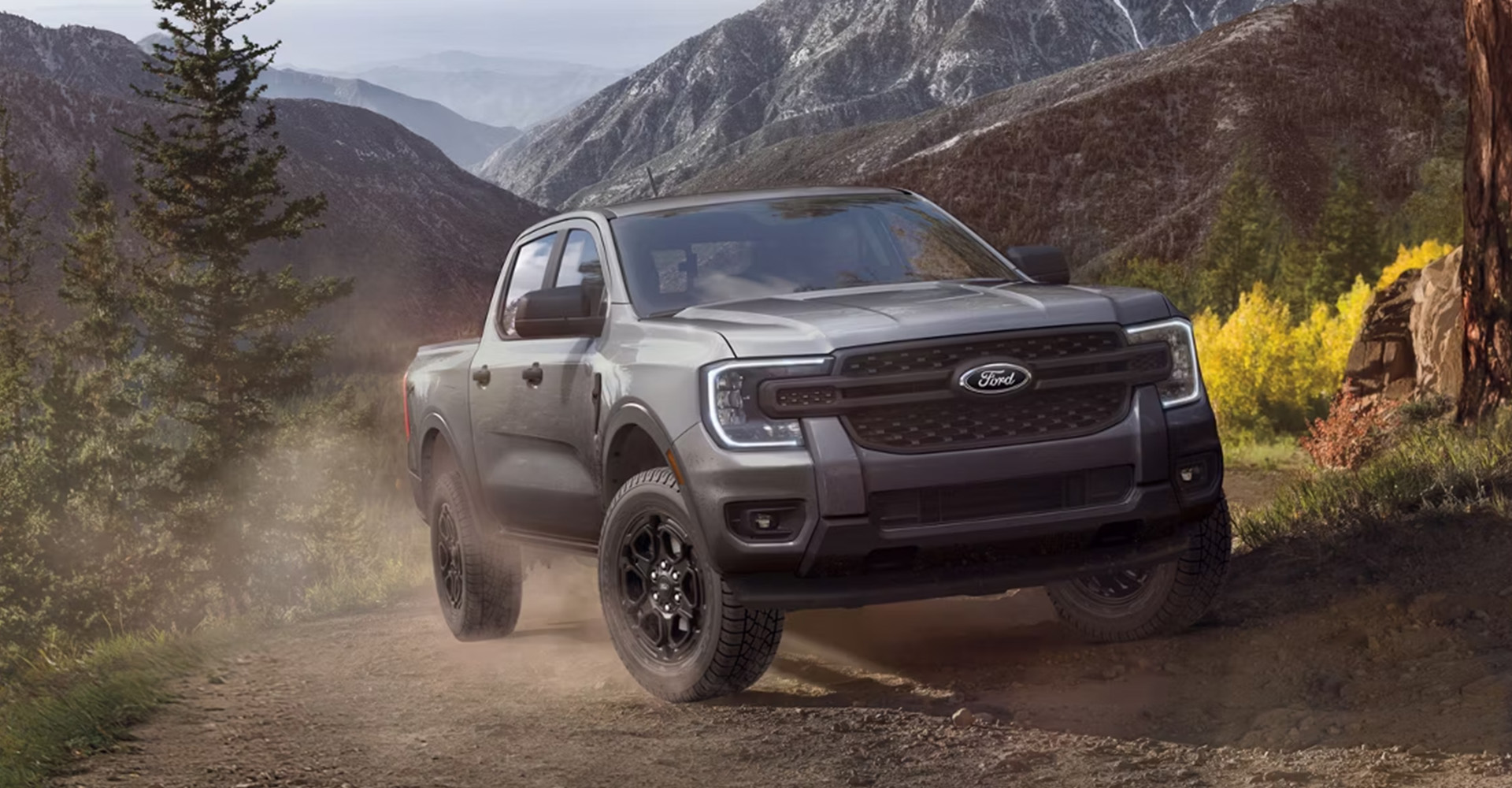
The Ford Ranger off-road package is ideal for shoppers who want extra capability without overbuilding their truck. This package is designed to support real-world trail use with features that can help on uneven, loose, or slippery surfaces. Depending on configuration and model year, the FX4 Off-Road Package may include off-road-tuned suspension, skid plates, Trail Control™, drive modes, and a locking rear differential, also known as a rear e-locker.
That rear e-locker can be especially useful when one rear wheel loses traction on rocks, mud, snow, or uneven ground. By helping both rear wheels turn together when needed, the locking rear differential gives the truck more bite in situations where open differentials can struggle. For many shoppers, that one feature alone makes the Ford Ranger off-road experience feel more secure and controlled.
The Ford Ranger off-road package setup also makes sense for drivers who still care about fuel economy, ride quality, tire noise, and daily comfort. It keeps the Ford Ranger closer to a conventional midsize truck while adding useful trail-focused hardware. If your adventures include campsites, dirt access roads, snow-covered routes, and moderate rocky trails, the Ford Ranger’s off-road package may be the most balanced option.
Ford Ranger Raptor: Built For Bigger Off-Road Demands
The Ford Ranger Raptor is for drivers who want more than occasional trail confidence. It is designed for harder use, especially where speed, repeated impacts, and rough terrain expose the limits of a more traditional off-road package. With a wider stance, increased track width, FOX shocks, performance suspension, and off-road-focused tuning, the Ford Ranger Raptor feels more planted when the road turns rough.
This matters on washboard roads, whoops, sand, and fast dirt sections where suspension control can change the entire driving experience. A standard Ford Ranger off-road build can feel confident at moderate speeds, but the Ford Ranger Raptor is engineered to keep its composure when the terrain gets more demanding.
The Ford Ranger Raptor may also include more aggressive tires, increased underbody protection, recovery points, tow hooks, specialized drive modes, and advanced trail technology. Features such as Rock Crawl, Trail Control, and a Watts-Link Rear Suspension can help drivers better understand vehicle angle, traction settings, and drivetrain status while navigating difficult terrain.
4WD, Drive Modes, And Trail Control
A capable off-road truck starts with the right drivetrain. The Ford Ranger off-road package gives drivers more confidence on loose, slippery, or uneven surfaces by sending power where it can be used more effectively. The transfer case plays a major role here, allowing the truck to shift between modes for normal driving, loose surfaces, and slower, technical terrain.
Drive modes help tailor the truck’s throttle response, traction control, shift behavior, and stability systems to the surface underneath it. Modes designed for sand, mud, snow, or Rock Crawl can make the Ford Ranger easier to manage when traction changes quickly. This is especially helpful for shoppers who want a Ford Ranger off-road truck that feels more intuitive in challenging conditions.
Trail Control is another useful feature for low-speed trail driving. Think of it as off-road cruise control. It can manage throttle and braking at low speeds so the driver can focus more on steering, tire placement, and choosing a clean line over rocks, ruts, or uneven ground. For newer trail drivers, this technology can make difficult routes feel less stressful.
Skid Plates, Ground Clearance, And Underbody Protection
Off-road capability is not just about power. Protection matters. Skid plates and underbody protection help shield key components from trail damage, including areas near the engine, transmission, and transfer case. One hard strike on a hidden rock can end a trip quickly, which is why protection should be part of any smart Ford Ranger off-road package.
Ground clearance also plays a major role in trail confidence. More ground clearance can help the truck move over rocks, ruts, snow, and uneven surfaces with less risk of dragging vulnerable parts. Approach angle, departure angle, and breakover angle are equally important. Approach angle affects how steep an obstacle the truck can climb before the front end touches. Departure angle measures the same idea at the rear. Breakover angle helps determine how easily the truck can clear a crest without getting high-centered.
These measurements matter most on rocky trails, ledges, deep ruts, and uneven access roads. A Ford Ranger Raptor may offer a higher off-road ceiling, while an off-road Ford Ranger with the FX4 Package provides many drivers with the practical protection and confidence they need for moderate trail use.
Tires: All-Terrain vs. Mud-Terrain
Tires can completely change how a truck performs off pavement. All-terrain tires are often the better fit for mixed-use shoppers because they balance traction, durability, road manners, and noise. They work well on gravel, snow, light mud, dirt roads, and many rocky trails, while making the truck easier to live with during daily driving.
Mud-terrain tires offer more aggressive grip in deep mud, loose dirt, and rugged terrain, but they can also generate more tire noise, reduce fuel economy, and provide a firmer road feel. Shoppers considering a Ford Ranger off-road setup should think carefully about where they drive most often before choosing the most aggressive tire available.
We can help you compare factory tire options and discuss OEM accessories that may support your preferred terrain. The goal is not always to build the most extreme truck. The goal is to build the right truck.
Towing Capacity, Payload, And Off-Road Trade-Offs
A midsize truck still needs to work like a truck. That is why towing capacity, payload, GVWR, and equipment ratings matter when comparing an off-road Ford Ranger FX4 with a Ford Ranger Raptor. Off-road hardware can affect how a truck rides, handles weight, and performs under load, so shoppers should always verify exact ratings for the model year, trim, axle ratio, tires, and configuration they are considering.
For buyers who tow trailers, haul gear, or use their truck for work during the week, an off-road Ford Ranger FX4 may be the better match. It adds useful off-road hardware while preserving more of the practical utility many truck owners need. The Ford Ranger Raptor is still capable, but its performance suspension and specialized off-road focus may shift priorities away from maximum utility.
If you plan to tow regularly and still want a Ford Ranger off-road truck, our team can help you compare window stickers, towing equipment, payload ratings, and available accessories so you can make a confident decision.
Ride Quality, Steering Feel, And Daily Driving
Daily drivability matters more than many shoppers expect. A truck can be incredible on a trail and frustrating in a parking lot if it is not the right fit. The FX4 Off-Road Package-equipped Ford Ranger generally feels closer to a traditional midsize truck, which can make it easier to park, maneuver, and drive every day.
The Ford Ranger Raptor feels more aggressive and planted because of its wider stance, track width, suspension tuning, and off-road tires. That can be a major advantage on rough terrain, but shoppers should also consider garage fit, road noise, steering feel, fuel economy, and tire replacement costs.
This is why a test drive is so valuable. Specs can tell you what an off-road Ford Ranger can do, but a test drive at Palmetto Ford can help you decide which truck feels right from behind the wheel.
Ford Co-Pilot360® And Confidence On The Road
Capability should not stop when the trail ends. Available Ford Co-Pilot360® features can help support driver confidence during highway driving, commuting, and everyday errands. Depending on trim and configuration, these technologies may include helpful driver-assist features designed to make daily driving feel more convenient and secure.
For many shoppers, the ideal Ford Ranger off-road truck is one that can handle weekend adventures without feeling out of place on Monday morning. That blend of trail hardware, useful technology, comfort, and everyday control is where the Ford Ranger lineup gives buyers meaningful flexibility.
How To Choose The Best Ford Ranger For Off-Road Driving
Choose an off-road Ford Ranger FX4 if you want a practical truck for daily driving, towing, snow, mud, gravel, and moderate trail use. It is a strong fit for shoppers who want real capability without paying for performance hardware they may rarely use.
Choose the off-road-ready Ford Ranger Raptor if you want a more specialized truck for faster rough-road driving, desert-style terrain, whoops, sand, rocky trails, and repeated impacts. It is the better choice for drivers who will genuinely use its wider stance, FOX shocks, suspension travel, recovery points, and performance suspension.
The best Ford Ranger for off-road driving is not automatically the most expensive model. It is the truck that matches your terrain, your budget, your comfort expectations, and the way you actually drive.
Build A Smarter Ford Ranger Off-Road Setup
A smart Ford Ranger off-road build starts with the right foundation. Tires, skid plates, recovery points, tow hooks, underbody protection, and OEM accessories can all make a major difference. Before adding lift kits or aggressive aftermarket parts, consider alignment, safety systems, towing performance, warranty considerations, and long-term ride quality.
For many drivers, the right combination is a 4WD Ford Ranger with the FX4 Off-Road Package, quality all-terrain tires, practical recovery gear, and accessories matched to the terrain they actually drive. For more demanding drivers, the Ford Ranger Raptor offers a factory-engineered solution with hardware built to work together from the start.
Palmetto Ford can help you compare available off-road Ford Ranger models, review equipment, and find a truck that gives you the confidence to go farther without overbuying or underbuilding.
Shop Ford Ranger Models At Palmetto Ford
Whether you are looking for a balanced FX4-equipped Ford Ranger or a high-performance Ford Ranger Raptor, Palmetto Ford is ready to help you find the right midsize truck for your lifestyle. Our team can walk you through trim levels, 4WD systems, drive modes, towing capacity, payload, OEM accessories, and available technology so you can choose with confidence.
The right Ford Ranger off-road truck should feel capable, comfortable, and ready for the places you actually want to go. Visit Palmetto Ford to explore available Ford Ranger inventory, compare FX4 and Raptor options, and start building a truck that fits your road, your trail, and your next adventure.
FAQ
What is the difference between the Ford Ranger FX4 and the Ford Ranger Raptor?
The FX4 Off-Road Package adds trail-focused equipment to select 4×4 Ford Ranger trims, while the Ford Ranger Raptor is a dedicated performance off-road model with more specialized suspension, a wider stance, and more aggressive off-road tuning.
Is the FX4 Off-Road Package worth it on a Ford Ranger?
Yes, the FX4 Off-Road Package can be worth it for shoppers who regularly drive on dirt roads, snow, mud, gravel, or moderate trails. It adds practical capability without requiring a move into the more specialized Ford Ranger Raptor.
Which Ford Ranger is best for off-road driving?
The best Ford Ranger for off-road driving depends on your terrain. An FX4 Off Road Package-equipped Ford Ranger is great for mixed daily driving and weekend trails, while the Ford Ranger Raptor is better for faster, rougher terrain and more demanding off-road use.
Can I build a Ford Ranger off-road truck with accessories?
Yes. A Ford Ranger off-road build can include OEM accessories such as all-terrain tires, recovery gear, skid plates, tow hooks, underbody protection, and other equipment designed for off-road use. Palmetto Ford can help you explore available options.
Should I choose all-terrain tires or mud-terrain tires?
All-terrain tires are usually better for mixed driving because they balance trail grip, road comfort, fuel economy, and tire noise. Mud-terrain tires offer more aggressive traction in deep mud and loose terrain, but may be louder and less efficient on pavement.
Does the Ford Ranger Raptor tow as much as an FX4-equipped Ford Ranger?
Towing capacity and payload can vary by model year, trim, equipment, and configuration. Shoppers should always confirm the exact ratings on the window sticker or with Palmetto Ford before choosing between a Ford Ranger Raptor and an FX4-equipped Ford Ranger.
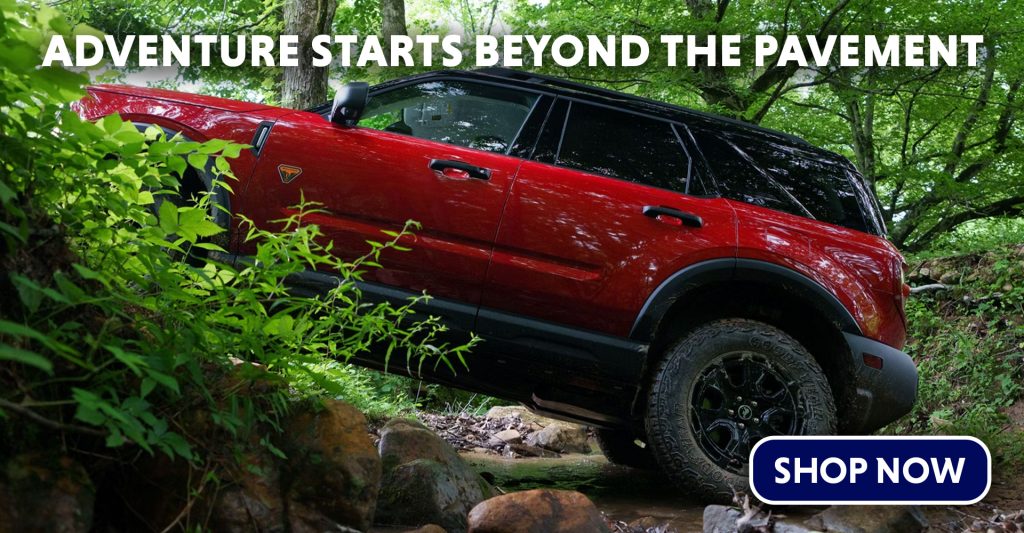
Your Guide to Ford Bronco Sport Off-Road Capability
Many compact SUV shoppers ask the same question: Can this vehicle handle real trail conditions, or is it just adventure-ready on paper? Understanding Ford Bronco Sport off-road capability means looking beyond the marketing and focusing on how the SUV performs in real-world environments, including muddy trails, sandy beach routes, snowy mountain roads, and uneven backcountry terrain.
The Ford Bronco Sport off-road experience stands out thanks to a combination of intelligent drivetrain tuning, advanced terrain management technology, responsive suspension engineering, and durable Ford Bronco Sport off-road tires designed for improved grip and control. Rather than relying on a single feature, the Ford Bronco Sport delivers balanced capability for both everyday commuting and weekend exploration.
Visit Palmetto Ford to browse our inventory of Ford Bronco Sport off-road models and schedule a test drive today!
What “Off-Road” Really Means for a Ford Bronco Sport
For the Ford Bronco Sport, off-road driving means handling loose or uneven terrain where traction, control, and vehicle placement matter more than speed. This includes gravel roads, sandy paths, muddy trails, snowy routes, and light rock obstacles. The Ford Bronco Sport off-road capability is strongest in environments where its compact size, ground clearance, and advanced traction systems work together. While it is not built to replace a heavy-duty rock crawler, it delivers practical capability for drivers who want confident performance beyond paved roads. Instead of relying on raw horsepower, the Ford Bronco Sport focuses on low-speed control and traction management, making it a versatile SUV for both everyday driving and weekend adventures.
Trail Difficulty Levels and Where the Ford Bronco Sport Fits
Off-road, the Ford Bronco Sport feels confident on easy trails like dirt roads, beach approaches, dry fire roads, and mild snow routes, where its compact size and traction systems make changing surfaces easier to manage. In the Ford Bronco Sport Badlands® off-road form, it can also handle some moderate trails with deeper ruts, steeper grades, loose climbs, and uneven terrain when driven carefully. At this level, ground clearance, tire strength, angles, and drivetrain heat become more important. On difficult trails, the Ford Bronco Sport reaches its limits. It is best viewed as a capable small SUV for real off-road adventures, not a vehicle built for extreme rock crawling.
Key Hardware That Drives Ford Bronco Sport Off-Road Capability
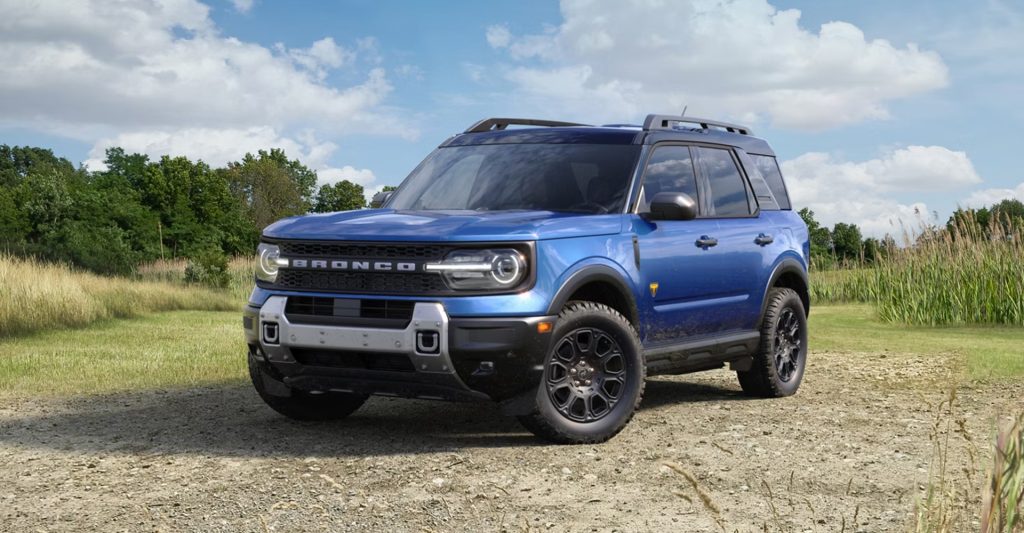
The Ford Bronco Sport’s off-road capability starts with standard 4×4 performance that helps direct torque to the wheels with the most traction on dirt, snow, and loose terrain. Advanced traction and stability systems also improve control, making off-road driving more manageable for everyday drivers.
Available skid plates and underbody protection help shield key components from rocks and rough terrain, while the compact wheelbase improves maneuverability on narrow trails and wooded paths. Together, these features give the Ford Bronco Sport practical capability for a wide range of off-road adventures.
Traction Systems and What They Do on Dirt
Brake-based traction control helps when a wheel loses contact or spins on a low-grip surface by redirecting usable torque across the axle. That matters on ruts and cross-axle bumps, where a compact crossover can lose momentum quickly if one unloaded tire spins freely. A locking rear differential, when equipped on higher trail-focused versions, changes the Ford Bronco Sport’s behavior more than many buyers expect. By forcing both rear wheels to contribute on climbs and in offset ruts, it reduces the need for aggressive throttle inputs that can create wheelspin and heat.
HOSS Suspension Basics (Why It Matters Off Pavement)
Ford’s HOSS suspension concept is designed to keep the tires in contact with the surface while reducing harsh impacts that upset the cabin and the chassis. In practical terms, that means better control on washboard roads, fewer abrupt rebounds after potholes, and more predictable grip over repeated bumps. Upgraded dampers and cooling support matter on long, rough trails because sustained impacts generate heat that can reduce damping consistency. Suspension that stays composed after an hour of corrugations is more valuable than suspension that feels impressive for the first ten minutes.
Choosing the Right Trim for Off-Road Use
Trim choice matters because the Ford Bronco Sport lineup does not deliver identical trail hardware across every model. Differences in drivetrain calibration, cooling capacity, suspension tuning, and available protection directly affect how the vehicle handles repeated off-pavement use. For occasional dirt roads and mild weather, a lower trim level can be enough if it has suitable tires and a careful driver behind the wheel. For frequent trail use, steeper grades, or mixed terrain, the Ford Bronco Sport Badlands® is the more educationally sound recommendation because it adds meaningful mechanical margin rather than cosmetic attitude. That distinction is important for buyers who confuse appearance packages with capability packages. The right trim is the one matched to terrain frequency and difficulty, not the one with the most aggressive look in a parking lot.
Ford Bronco Sport Badlands® Off-Road: What Makes It Different
The Ford Bronco Sport Badlands® off-road configuration is the most trail-focused version, pairing the 2.0L EcoBoost® engine with Advanced 4×4 and a twin-clutch rear-drive unit. That rear hardware improves torque distribution side to side, helping the vehicle maintain forward progress on uneven surfaces or when one rear wheel is lightly loaded. The Ford Bronco Sport Badlands® also features seven G.O.A.T. Modes® and standard off-road-friendly equipment, including underbody protection and trail-oriented wheel and tire choices. Those additions matter because they improve both the vehicle’s ability to keep moving and its ability to survive terrain contact.
G.O.A.T. Modes® Explained: How to Use Them on Real Trails
G.O.A.T. Modes® change more than dashboard graphics because they alter throttle response, transmission behavior, AWD engagement, and traction-control thresholds. That means the selected mode affects how the Ford Bronco Sport puts power down, how quickly it shifts, and how much wheel slip it allows before intervening.
The practical rule is simple: choose the mode that matches the surface, then drive smoothly enough that the system can help rather than react to mistakes. Electronics improve consistency, but they cannot fix poor line choice, excessive speed, or repeated full-throttle wheelspin.
Drivers who understand this usually get more from the Ford Bronco Sport than drivers who assume the mode selector does all the work. Terrain modes are force multipliers for good technique, not substitutes for it.
Mode-by-Mode Quick Guidance (Mud, Sand, Snow, Rock, Normal)
Mud and ruts mode works best when you maintain steady momentum and avoid abrupt steering inputs that scrub speed. It is useful where the surface is soft enough to drag the tires but not so deep that the vehicle is plowing with the underbody.
Sand mode favors smooth throttle and uninterrupted movement because stopping can make restarting difficult. Lower tire pressure can help in appropriate conditions, and keeping the wheels straighter during launch reduces the tendency to dig.
Snow mode is most effective when paired with winter-rated or capable all-terrain tires because tire compound determines cold-grip performance more than the badge on the tailgate. Rock-focused settings, where available, help with slow-speed control, while Normal remains the right choice for mixed pavement and mild loose surfaces.
Engines and Power Delivery Off-Road
The Ford Bronco Sport offers a 1.5L EcoBoost® rated at 180 horsepower and 200 lb.-ft. of torque, plus an available 2.0L EcoBoost® rated at 250 horsepower and 280 lb.-ft. of torque. Those numbers matter less for top speed than for how much torque reserve the vehicle has when climbing, carrying gear, or moving through soft terrain. Off-road, low-speed control is more important than peak horsepower because the goal is to meter torque without breaking traction. A tractable engine with a predictable response reduces wheelspin, preserving momentum and lowering stress on tires and driveline components.
When the 2.0L EcoBoost® Makes a Practical Difference
The 2.0L EcoBoost® makes the clearest difference on steeper climbs, in deeper sand, when towing to trailheads, or when the vehicle carries heavier accessory loads. Extra torque gives the driver a larger cushion for maintaining momentum without resorting to frantic throttle inputs. That margin also improves drivability because the vehicle can stay within a calmer operating range. In practice, more torque often means less drama, and less drama usually means less heat and less trail damage.
Tires and Pressure: The Biggest Off-Road Upgrade You Can Make
If one change most improves the Ford Bronco Sport’s off-road performance, it is tire selection. Ford Bronco Sport off-road tires affect traction, puncture resistance, braking distance, ride compliance, and sidewall durability more directly than most accessory parts.
For most drivers, all-terrain tires are the best all-around choice because they balance dirt grip, road manners, wet braking, and tread life. Mud-terrain tires can help in deep mud, but they usually add noise, reduce everyday refinement, and are unnecessary for the mixed-use conditions where the Ford Bronco Sport is strongest.
Pressure strategy matters because a slightly aired-down tire lengthens the contact patch and helps the tire conform to uneven surfaces. That can improve traction and ride comfort, but only when done conservatively and with a plan to reinflate before pavement speeds.
Ford Bronco Sport Sasquatch® Badlands® Package
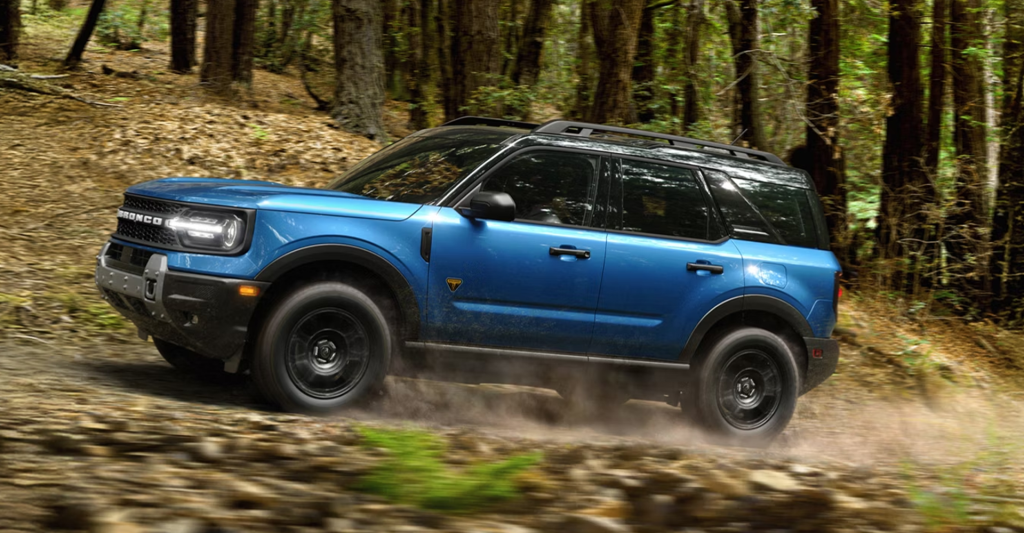
The available Ford Bronco Sport Sasquatch® Badlands® Package adds even more confidence for drivers who frequently venture off-road. Designed specifically for tougher trail conditions, the package includes a HOSS 3.0 Off-Road Suspension, Bilstein® Position Sensitive Dampers, and an upgraded 850W engine cooling fan to improve durability and control on uneven terrain. Trail-focused features like high-clearance fender flares, steel-plated rear bumper protection, and rear D-ring recovery hooks help prepare the Ford Bronco Sport for mud, rocks, and challenging obstacles. The package also includes 17-inch Ebony Black-painted aluminum wheels wrapped in P235/65R17 all-terrain tires, a setup that balances traction, ride comfort, steering precision, and rim protection for both daily driving and off-road adventures.
Ford Bronco Sport Sasquatch® Package: What It Adds and When It’s Worth It
The Ford Bronco Sport Sasquatch® package adds traction, durability, and clearance-oriented hardware for drivers who use their vehicle regularly off-maintained roads. It is most valuable when trail frequency and trail roughness justify factory-engineered upgrades rather than piecemeal aftermarket experimentation.
The package typically includes HOSS 3.0 Off-Road Suspension, Bilstein Position Sensitive Dampers, an 850W engine-cooling fan, additional recovery hardware, and all-terrain tires. That combination matters because suspension control, cooling capacity, and recovery readiness often determine whether a long trail day stays enjoyable or becomes mechanical triage.
A practical decision rule is simple: if your driving is mostly on dirt roads and you have occasional access to campgrounds, this package may be more hardware than you need. If you regularly run moderate trails with rocks, ruts, washouts, and sustained rough surfaces, the extra margin is easier to justify.
Towing and Gear: Using the Ford Bronco Sport for Adventure Travel
When properly equipped, the Ford Bronco Sport can tow up to 2,700 lbs., making it suitable for small trailers, light watercraft, and adventure gear. However, off-road towing requires extra caution, as added weight affects braking, maneuverability, and trail control. Roof racks and safari-style storage add versatility, but heavy gear mounted high can reduce stability on uneven terrain. For the best off-road experience, keep heavier cargo low and secure, and organize frequently used gear for easy access.
Safety and Driver-Assistance Features That Help Off-Pavement
The Ford Bronco Sport’s available 360-Degree Camera with Split View can improve trail placement by helping the driver see rocks, roots, and edges hidden by the hood line. That visibility matters most in compact SUVs, where a few inches of misplacement can mean a cut tire or a scraped underbody. Systems such as BLIS® with Cross-Traffic Alert, auto high-beam headlamps, and AdvanceTrac® with RSC® are also valuable during the road-to-trail transition. The drive to the trailhead often involves fatigue, changing weather, and loaded cargo, which means safety technology still matters before the dirt begins. These features have limits, though, and that distinction is essential. Cameras do not replace a spotter, sensors do not understand every obstacle, and no driver-assistance system can judge whether an obstacle exceeds the vehicle’s physical capability.
Key Takeaways for Confident Ford Bronco Sport Off-Road Trips
The Ford Bronco Sport delivers capable off-road performance because its systems work together. Tire selection, terrain modes, suspension tuning, cooling, and smart driving habits all contribute to maintaining traction and control on challenging surfaces. Certain trims provide added confidence for drivers who frequently explore moderate trails, offering enhanced traction, improved underbody protection, and greater durability in tougher conditions.
Most importantly, successful off-road trips come down to preparation and good judgment. Drivers who inspect their vehicle, choose trails that match their equipment, and adjust to changing conditions will get the most out of the Ford Bronco Sport off-road experience.
Get started today by visiting Palmetto Ford to explore our off-road-ready Ford Bronco Sport lineup!
FAQs
Is the Ford Bronco Sport capable of off-roading?
Yes. With standard 4×4, G.O.A.T. Modes®, and the right tires, it handles dirt roads, sand, snow, and moderate trails well.
Is the Ford Bronco Sport a true 4WD?
It uses a 4×4/AWD-based system that automatically manages traction rather than a traditional truck-style transfer case. Higher trims add more advanced rear-drive hardware for better low-speed control and torque distribution.
Can I drive my Ford Bronco Sport in the snow?
Yes, if you use the correct G.O.A.T. Mode® and fit winter-rated or capable all-terrain tires. Snow performance depends heavily on tire compound and smooth driver inputs, not just drivetrain hardware.
Handling Real Driving Conditions
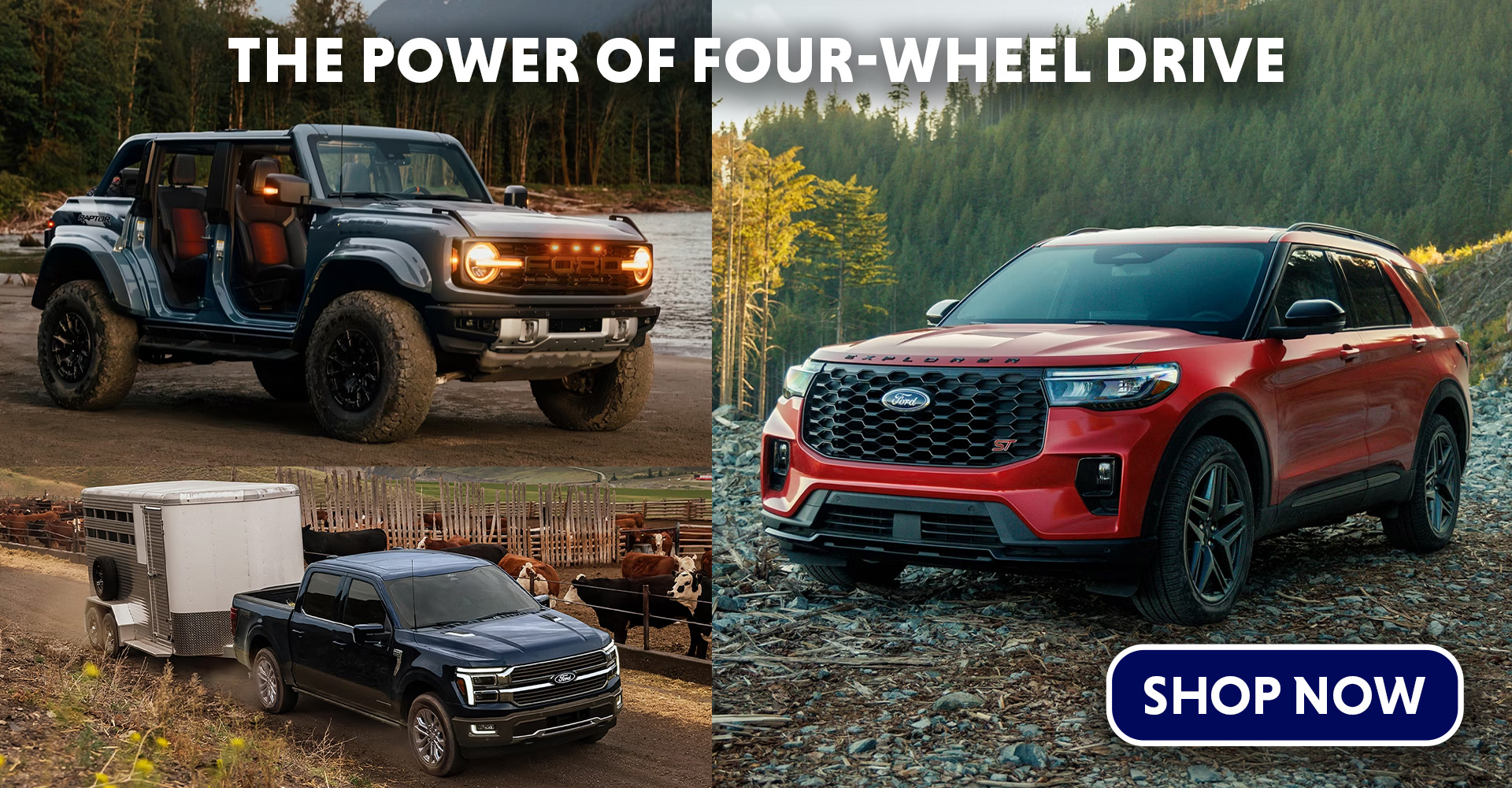
A Ford with four-wheel drive can feel simple until the road turns from dry pavement to slush, then to packed snow, then back to wet asphalt in one drive. For drivers looking to understand when to use the 4A, 4H, or 4L drive modes, the real question is not which setting is stronger, but which one best matches the surface, speed, and amount of control you need. Many Ford models, including the Ford F-150, Ford Explorer, and Ford Bronco, offer four-wheel-drive options, providing drivers with enhanced traction and control on various terrains. The answer matters because four-wheel-drive modes are not interchangeable, even though they all send power through the transfer case. This guide from Palmetto Ford explains when to use the 4A, 4H, and 4L drive modes, what each mode actually does, where drivers get into trouble, and how to make smarter choices on snow, ice, gravel roads, dirt roads, mud, sand, steep grades, and low-speed off-road driving.
Ford Driving Modes in Real-World Driving
Ford 4WD systems improve traction, stability control response, and driver confidence when conditions change faster than road signs can keep up. Knowing when to use 4A, 4H, and 4L matters because the wrong mode can change handling, create driveline binding in some systems, or add unnecessary strain to the front axle, rear axle, and transfer case. Availability also varies by Ford model, trim, and hardware, including whether the vehicle uses Electronic Shift-On-The-Fly or a two-speed transfer case with automatic capability. A Ford F-150 and a Ford Bronco may offer similar mode names, but exact behavior, shift conditions, and 2H access still depend on the specific model.
What 4A Means and What It Actually Does
Ford 4A mode, or 4WD auto, is an automatic, on-demand setting that adjusts torque between the rear axle and front axle when wheel slip is detected or anticipated. That makes 4A the most practical answer for mixed traction, because it preserves normal-road comfort while still reacting to wet pavement, patchy ice, slush, or intermittent snow. In real use, 4A is often the least time-consuming mode because it reduces the need to constantly switch between 2H and 4WD as conditions change. For many drivers asking when to use 4A, 4H, and 4L, 4A is the everyday choice for uncertain roads rather than a specialty mode for deep off-road terrain.
When 4A Is the Right Call
4A fits plowed roads with icy patches, shaded canyon roads where black ice appears without warning, wet-to-dry transitions, and gravel-to-pavement commutes around Charleston, SC. That is why when to use 4A, 4H, and 4L usually starts with 4A for changing traction, especially when the surface alternates between grip and slip. 4A also works well when a route includes mountain roads with exposed pavement in one section and shaded sections with black ice risk in the next. An automatic mode is valuable here because changing conditions punish delayed driver inputs more than they reward constant manual switching.
When to Avoid 4A
4A isn’t always the right answer when the surface is consistently loose, and you want a more locked-down, steady four-wheel-drive feel. If you are on prolonged deep snow, sand, mud, or rough trails, 4H or 4L may be more appropriate, but the owner’s manual should make the final call for your specific Ford system.
What 4H Means and When It’s the Practical Choice
4H is short for 4WD high, which uses the high range to provide stronger, steadier traction on slippery or loose surfaces while still allowing normal driving speeds, unlike 4L. For many Ford trucks and SUVs, 4H is the practical choice on packed snow, deeper snow, dirt roads, shallow mud, and loose gravel where you need more than occasional front-axle assistance. The key distinction is that 4H is built for traction consistency, not dry-pavement convenience. When drivers ask, “When do I use 4A, 4H, and 4L?,” 4H usually becomes the answer once the road stays snow-covered or loose long enough that an on-demand system is no longer the simplest fit.
4H on Snow and Ice
4H can feel more planted than 4A on consistently slick roads because torque delivery is more direct and predictable. That confidence can be useful on packed snow and unplowed sections, but 4WD does not reduce stopping distance, so winter tires, all-terrain tires with real tread depth, and smooth inputs still matter more than the selector position.
4H on Gravel and Dirt Roads
On gravel roads and dirt roads, 4H can reduce wheelspin when accelerating from a stop or climbing loose grades. The practical benefit is not speed but stability, because less wheel slip usually means less sideways drama on washboard surfaces and fewer traction-control interruptions.
What 4L Means and Why It’s Not Just “More 4WD”
4L means 4WD low, which uses low-range gearing for maximum torque multiplication and low-speed control. When to use 4A, 4H, and 4L becomes clearest here: 4L is for steep grades, deep mud, deep sand, ruts, rock crawling, and recovery situations where careful movement matters more than momentum. The trade-off is speed: low-range gearing changes throttle response and limits how fast the vehicle can travel. 4L is not a stronger version of 4H for normal roads; it is a controlled-movement tool for difficult terrain and slippery low-speed pulling.
Common 4L Scenarios Drivers Actually Face
4L makes sense on steep, loose climbs, rough descents on two-tracks, deep snow berms at the end of a driveway, and trailer maneuvering on a slippery incline. In each case, the real advantage is precision, because controlled torque helps prevent spinning, digging, and sudden surges.
How Shifting Into 4L Typically Works
Many Ford vehicles require low speed and neutral for 4L engagement, and the instrument cluster indicator lights confirm when the shift is complete. Exact steps vary by transfer case and model, so if the vehicle uses 4×4 buttons or a 4×4 selector dial, the owner’s manual remains the only authority.
The Real Differences Drivers Feel
The simplest way to separate these modes is by traction consistency and speed. 4A suits changing conditions, 4H suits consistently slippery or loose surfaces at higher speeds, and 4L suits slow crawling where torque and control matter most. Drivers also feel the difference in steering and turning behavior. When to use 4A, 4H, and 4L is partly a handling question, because locked 4WD behavior on high-traction surfaces can create hopping, tire scrub, and driveline binding that 4A is designed to avoid.
4H vs. 4L in Plain Language
Think of 4H vs. 4L this way: if you need momentum and moderate speed, choose 4H. If you need slow, measured torque to climb, descend, or extract the vehicle, choose 4L.
When to Use Each Mode by Driving Condition
Snowy roads, slush, and patchy ice usually favor 4A because traction changes every few seconds, and the system can react without forcing the driver to manage constant mode changes. Move to 4H when the road is consistently snow-covered or unplowed, and remember that ABS helps maintain steering under braking but cannot overcome poor tire tread depth or excess speed. Mountain roads and steep grades usually call for 4H on steady loose climbs and 4L on very steep, rough, low-speed sections where control matters more than pace. That distinction explains when to use 4A, 4H, and 4L better than any label, because the right mode is usually determined by surface consistency plus speed.
Mud and Rutted Two-tracks
For drivers asking 4H or 4L for mud, the answer depends on depth and speed. Use 4H for shallow mud where some momentum helps, and use 4L for deep mud, ruts, or crawling situations where spinning the tires would only dig the vehicle deeper.
Sand and Dunes
If you are asking whether 4H or 4L is better for sand, 4H is often preferred because sand driving usually depends on momentum. 4L is useful when starting from a stop, climbing slowly, or handling recovery at low speed, though tire pressure and careful throttle control often matter more than mode choice alone.
Gravel Roads, Washboard, and Dirt Trails
Use 4A on mixed paved and gravel routes, 4H on consistently loose gravel or dirt, and 4L only for slow technical sections. That progression reflects how Ford systems are designed to balance handling, traction control strategy, and mechanical load.
Towing or Pulling at Low Speed
4L can help with controlled pulling on slippery ramps or steep, low-speed situations. Blanket towing claims are risky, so drivers should follow the manual for load limits, surface guidance, and whether low range is appropriate for that maneuver.
Mistakes to Avoid: What Can Happen If You Choose the Wrong Mode?
Using locked 4WD behavior on dry pavement can cause driveline binding, hopping in turns, and unnecessary wear, although the exact effects depend on the system. When to use 4A, 4H, and 4L is partly about avoiding misuse, because 4L is not for higher speeds, and 4WD does not help you stop faster on snow or ice. New owners also overestimate what 4WD can do. Overconfidence risk in 4WD is real because the vehicle may accelerate cleanly on snow while still needing a long stopping distance once braking begins.
Common “New Owner” Errors
Common mistakes include staying in 4H after roads dry out, trying to engage 4L without meeting shift conditions, accelerating too aggressively on ice, and relying solely on 4WD instead of winter tires or capable all-terrain tires. A Ford system can manage wheel slip, but no transfer case can replace tire grip.
How to Safely Select a Drive Mode
Most Ford vehicles use a 4×4 selector dial or 4×4 buttons, and the instrument cluster indicator lights confirm the selected mode. Small clunks or engagement noises can be normal because the transfer case and driveline components are physically changing state. Many systems allow 4A or 4H selection while moving under the right conditions, while 4L often requires low speed and Neutral. When to use 4A, 4H, and 4L also covers how to switch modes smoothly, as abrupt throttle inputs can delay engagement or cause unnecessary wheelspin.
If the System Won’t Shift Right Away
Ease off the throttle, roll straight, and avoid spinning the tires. If selecting 4L, momentarily stop and shift to neutral if your owner’s manual requires it, then try again.
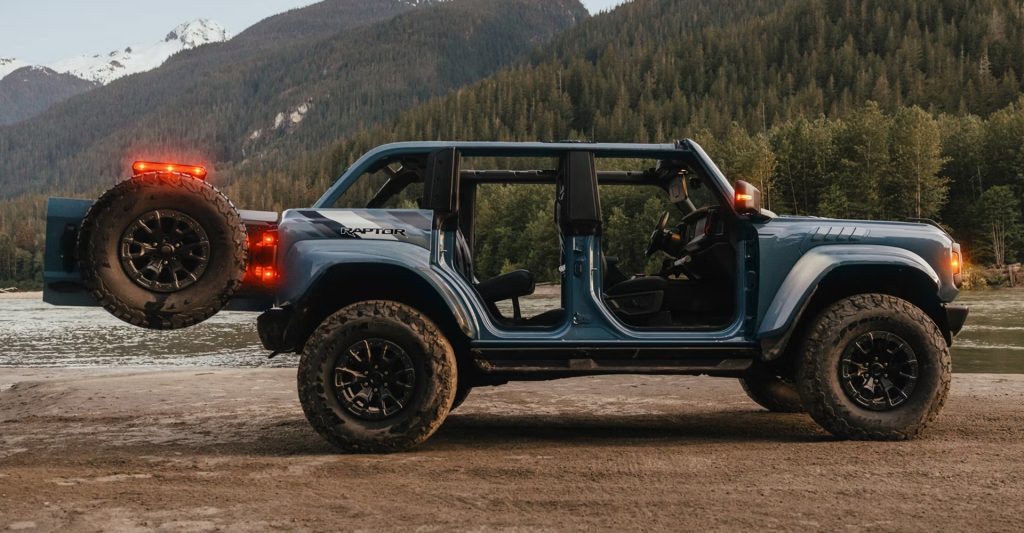
How Drive Modes Like Slippery, Mud/Ruts, and Sand Work With 4WD
Some Ford vehicles automatically pair terrain settings like Slippery, Mud/Ruts, and Sand with the 4WD selection, while others require the driver to choose both settings separately. These systems can adjust throttle mapping, traction control, stability control, and shift behavior, but they do not replace the correct choice of 4WD mode. That is why knowing when to use 4A, 4H, and 4L still matters even in vehicles with advanced software. Electronic helpers improve consistency, but the driver still has to match high-range or low-range gearing to the surface and the intended speed.
A Simple Way to Decide: Surface Consistency + Speed
If traction changes often, lean toward 4A. If the surface is consistently loose and you will keep moving at a moderate speed, choose 4H; if the terrain is slow and technical, choose 4L.
Choose the Mode That Matches the Surface and the Speed
The simplest summary is this: use 4A for changing traction, 4H for consistently slippery or loose surfaces, and 4L for low-speed torque and control. That is the clearest answer to when to use 4A, 4H, and 4L, and it applies whether you drive a Ford F-150, a Ford Bronco, or another SUV from the broader lineup of Ford models in Charleston, SC. Drivers who split time between pavement, winter weather, and trail access roads should practice mode changes in safe conditions and prioritize tire choice before technology. If you want help comparing 4WD systems across trucks and SUVs, including models like the Ford Explorer, or even broader Ford capability trends alongside Ford’s electric vehicles, Palmetto Ford in Charleston, SC, can help you sort out which setup fits how you actually drive.
FAQs
What is the difference between 4A and 4H on a Ford?
4A automatically shifts torque between the front and rear axles as traction conditions change, making it suitable for mixed conditions. 4H provides steadier 4WD for consistently slippery or loose surfaces and is not intended for dry pavement in many systems.
When should I use 4L instead of 4H?
Use 4L for low-speed control and extra torque on steep grades, deep mud, deep sand, or rough terrain. Use 4H when you need extra traction at higher speeds on snow, gravel, or dirt.
Can I drive in 4A all the time?
In many Ford systems, yes, especially when roads alternate between dry, wet, icy, or lightly snow-covered. Because model and trim differences matter, confirm recommended use in the owner’s manual.
Is it bad to use 4H on dry pavement?
On many systems, yes, because locked 4WD behavior can create driveline binding and tire scrub on high-traction pavement. If roads are dry, switch to the mode your manual recommends, often 2H or 4A, depending on the vehicle.
Does 4A, 4H, or 4L help you stop faster on snow and ice?
No. 4WD mainly helps the vehicle move and maintain traction, while stopping distance depends more on tires, speed, road surface, and following distance.
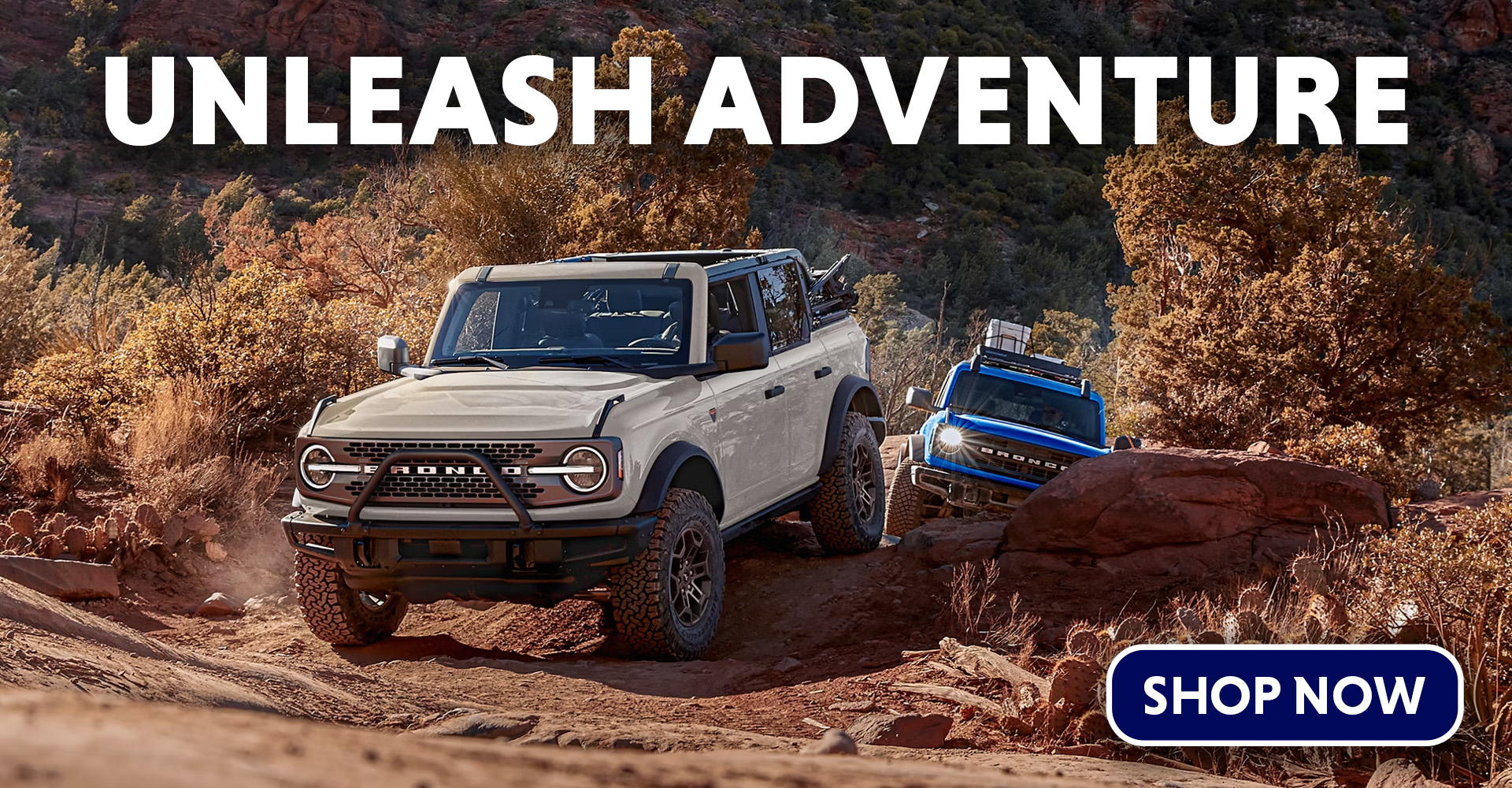
Explore Off-Road Performance With A Ford Bronco
Shoppers comparing Ford Bronco models quickly see that Ford engineers each SUV with purpose-built off-road capability. This combines proven hardware with advanced off-road technology that optimizes your experience. Understanding Ford Bronco off-road performance, off-road features, and real-world trail functionality starts with how the drivetrain, 4×4, and drive modes work together across trims like the Ford Bronco Raptor®, Ford Bronco Badlands®, and the available Ford Bronco Wildtrak Package. In this guide from Palmetto Ford, we’ll help you understand how the Ford Bronco off-road capabilities can optimize all of your adventures.
Built For Real Off-Road Performance
The Ford Bronco lineup delivers rugged engineering through multiple advanced 4×4 systems with shift on the fly, including part-time selectable engagement with 4WD capability. This setup allows drivers to send power to all four wheels for enhanced traction in off-road, snow, or mud conditions. Unlike traditional AWD, the Ford Bronco’s system is purpose-built for trails, offering a true off-road drivetrain with low range, optimized axle gearing, and a strong crawl ratio for technical driving.
To further enhance capability, available front locking differential and rear locking differential systems help maintain traction by evenly distributing power when one or more wheels lose grip. Durable skid plates and reinforced underbody protection shield critical components from rocks and debris, while generous ground clearance up to 13.1 in. on the Ford Bronco Raptor, and up to 11.6 in. on the Ford Bronco Badlands. These rugged features allow the Ford Bronco to confidently navigate uneven terrain, ruts, water fording, and other obstacles without hesitation.
Trim-Level Off-Road Specialization
When you’re deciding on which Ford Bronco configuration is best for you, we’ll start by simplifying the functions for the models most suited for optimizing your off-road experience. The Ford Bronco Badlands off-road setup is engineered for technical terrain, featuring enhanced articulation, available disconnecting stabilizer bar, and advanced traction systems. It’s ideal for rock crawling and low-speed precision. The available Wildtrak Package on the Ford Bronco Badlands emphasizes performance. It includes the Sasquatch® Package, adding larger tires, upgraded suspension tuning, and increased capability for mixed terrain driving. The Ford Bronco Raptor off-road model represents the peak of factory capability, with wider stance, upgraded suspension, and reinforced components built for aggressive, high-speed off-road use. Continue reading to learn more about how each model functions as the ideal Ford Bronco off-road machine.
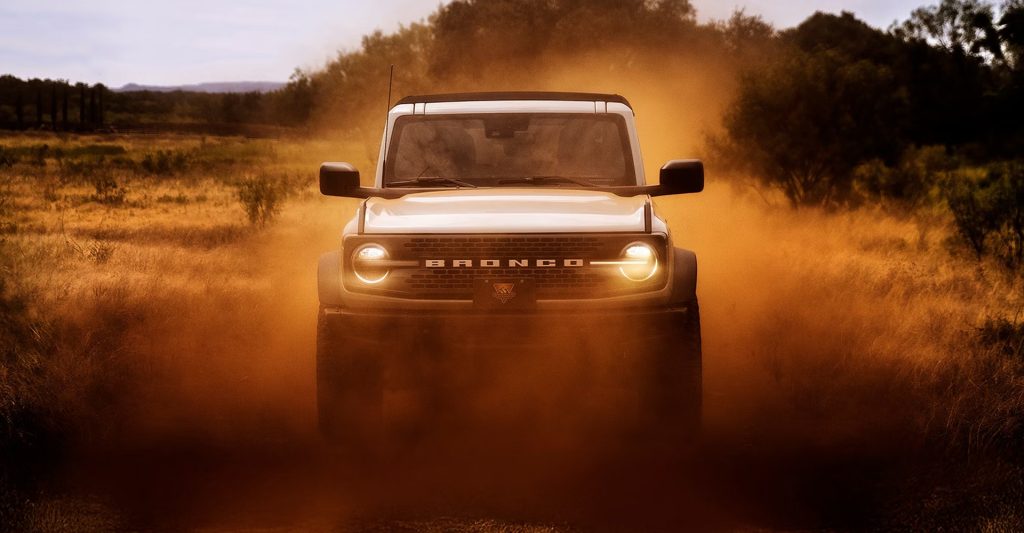
Engine Options and Performance
The Ford Bronco pairs capability with proven EcoBoost® powertrains. These engines support its off-road performance by delivering torque where it matters most—especially in low-speed crawling and high-load conditions.
Ford Bronco Badlands
- 2.3L EcoBoost®: This engine provides a balanced blend of efficiency and torque at 300 lb.-ft. and 325 horsepower, making it ideal for navigating diverse off-road terrains.
- 2.7L EcoBoost®: As an available option, this engine offers stronger power delivery at 330 horsepower and 415 lb.-ft. of torque, enhancing the Ford Bronco’s capability for more challenging off-road obstacles.
Ford Bronco Raptor
- 3.0L EcoBoost® V6 Engine: Exclusively for the Ford Bronco Raptor, this high-performance engine delivers a robust 418 horsepower and 440 lb.-ft. of torque for extreme off-road adventures.
G.O.A.T. Modes® and Trail-Focused Drive Modes
Ford’s G.O.A.T. Modes® (Goes Over Any Type of Terrain) are central to the Ford Bronco off-road performance, delivering seven specialized drive modes. On higher trims like the Ford Bronco Badlands and Ford Bronco Raptor these modes include:
- Normal: Provides balanced performance for everyday driving with smooth, predictable behavior.
- ECO: Optimizes fuel efficiency by softening throttle response and adjusting shift patterns.
- Slippery: Enhances traction and stability on wet, icy, or low-grip surfaces.
- Off-Road: Tunes the Ford Bronco for general trail use with improved traction and control on uneven terrain.
- Sport: Sharpens throttle response and handling for more responsive on-road performance.
- Rock Crawl: Maximizes low-speed control and torque for navigating steep, rocky obstacles.
- Baja: Optimizes high-speed off-road performance for desert running and loose terrain.
Trail-Ready Systems
Every Ford Bronco is engineered with independent front suspension, improving control and comfort over rough terrain. Higher trims and package options introduce the advanced HOSS (High-Performance Off-Road Stability Suspension) systems, designed to absorb impacts and maintain stability. There are four distinct HOSS systems available, each designed to enhance off-road capability. At its base level, the HOSS 1.0 includes a passive damping system, twin forged alloy A-arms with long-travel coil-over springs, and HOSS-tuned heavy-duty dampers in both the front and rear, along with a 220-mm. solid rear axle with long-travel, variable-rate coil-over springs. This helps set the standard for higher, more off-road-tuned trims like the Ford Bronco Badlands and Ford Bronco Raptor.
The Ford Bronco Badlands off-road has HOSS 2.0 standard, but can be upgraded to HOSS 3.0. HOSS 2.0 upgrades to twin forged alloy A-arms with long-travel HOSS-tuned Bilstein® Position Sensitive Dampers that include end-stop control and an independent front suspension.
The HOSS 3.0 system features FOX™ Internal Bypass Dampers, front steel bash plates, and Ford Performance severe-duty steering rack and tie rod ends. When you decide on the Ford Bronco Raptor, you get access to its exclusive HOSS 4.0 system. This top-tier system includes FOX™ Live Valve Dampers with integrated front reservoirs and remote rear reservoirs, terrain monitoring sensors, and Ford Performance control arms that provide a maximum wheel travel of 13 in. in the front and 14 in. in the rear. These distinct HOSS configurations ensure a reliable suspension system that’s optimized for taking the Ford Bronco off-road.
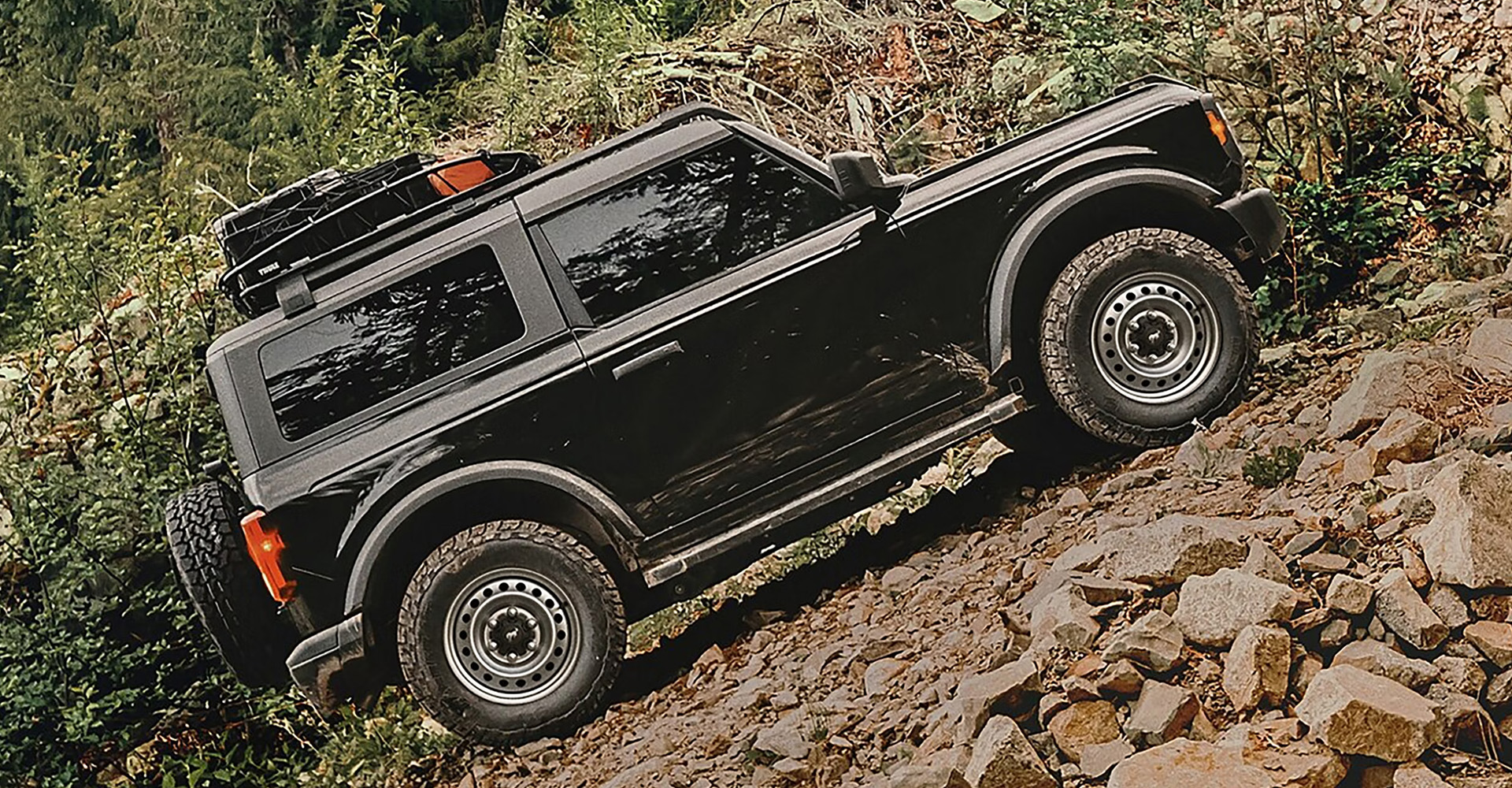
Ready to Venture Off-Road
The Ford Bronco off-road capability is not defined by a single feature, but by how its systems work together—4×4, suspension, drive modes, and protection. Whether navigating rocks, sand, mud, or snow, taking the Ford Bronco off-road delivers consistent performance backed by purpose-built engineering and real trail readiness. From the precision-focused Ford Bronco Badlands to the high-speed confidence of the Ford Bronco Raptor and the enhanced versatility of the available Wildtrak Package, each configuration is designed to meet different driving styles and terrain demands. With advanced trail tech found in the HOSS suspension G.O.A.T Modes®, and proven EcoBoost® performance, the Ford Bronco gives drivers the confidence to explore beyond the pavement. Visit Palmetto Ford to find your model and experience off-roading like never before.
Ford Employee Pricing For All

AMERICAN VALUE. FOR AMERICAN VALUES.
Ford has spent more than 120 years helping move America forward, earning its place on roads, job sites, driveways, and in family memories across the country. Now named the Most Iconic Company in America by TIME and Statista, Ford is celebrating that legacy as the nation approaches its 250th birthday with the AMERICAN VALUE. FOR AMERICAN VALUES. Employee Pricing Event.
Palmetto Ford in Charleston, SC, is proud to participate in this limited-time event, giving eligible shoppers access to Employee Pricing on select eligible new Ford vehicles. It’s a meaningful opportunity to upgrade with confidence, enjoy real value, and drive home in a Ford vehicle that fits your way of life.
Employee Pricing For A Limited Time
For a limited time, eligible shoppers can take advantage of Employee Pricing on select eligible new Ford vehicles at Palmetto Ford during the AMERICAN VALUE. FOR AMERICAN VALUES. Employee Pricing Event. This national Ford event celebrates the values that have shaped the Ford legacy for generations: hard work, craftsmanship, dependability, innovation, and a lasting commitment to communities across America.
Ford has long been part of the American story, helping drivers show up for the workday, the school run, the family trip, the growing business, and everything in between. Today, that same purpose continues across a lineup of capable Ford trucks, versatile Ford SUVs, hardworking Ford vans, performance vehicles, and electric vehicles designed for the way Americans drive.
Employee Pricing Made Simple
The AMERICAN VALUE. FOR AMERICAN VALUES. Employee Pricing Event is a national Ford program available through participating dealers from May 1, 2026, through July 6, 2026. During this event, eligible customers can receive Employee Pricing on select eligible new Ford vehicles.
Eligible vehicles may include select new 2025 and 2026 Ford models, such as the Ford Mustang, Ford Mustang Dark Horse, Ford Mustang Mach-E, Ford Bronco Sport, Ford Bronco, Ford Expedition, Ford Maverick, Ford Ranger, Ford F-150, Ford Transit Van, Ford E-Transit, Ford Bronco Raptor, Ford Bronco Stroppe Edition, Ford F-150 Lightning, Ford Super Duty, Ford Escape, and Ford Explorer. Eligibility varies by model year, trim, delivery type, availability, and program rules, and some specialty vehicles are excluded.
Our team at Palmetto Ford can help you confirm which vehicles in our inventory qualify, review current pricing, and walk you through your options.
Shop AMERICAN VALUE. FOR AMERICAN VALUES. in Charleston, SC
Ford vehicles are woven into the daily lives of drivers across the country, from work sites and school drop-offs to road trips, errands, and weekend escapes. Here in South Carolina, Palmetto Ford is proud to help drivers from Charleston and surrounding communities find dependable Ford vehicles that fit their lives.
Whether you’re interested in a capable Ford F-150, a versatile Ford Explorer, an adventure-ready Ford Bronco Sport, an efficient Ford Mustang Mach-E, a practical Ford Maverick, or another eligible new Ford vehicle, this event gives you a timely reason to shop.
Why Shop With Palmetto Ford?
At Palmetto Ford, we believe the right dealership experience should feel clear, helpful, and easy from the start. Our team is here to provide upfront guidance, answer your questions, and help you compare eligible Ford models with confidence.
During the AMERICAN VALUE. FOR AMERICAN VALUES. Employee Pricing Event, you can shop online or visit our dealership in Charleston, SC, to explore qualifying new Ford inventory. We’ll help you understand Employee Pricing, review available incentives, and find a vehicle that makes sense for your lifestyle, your business, and your budget. When you shop with Preston Ford, you’re working with a local dealership that values honesty, hospitality, and doing right by our customers.
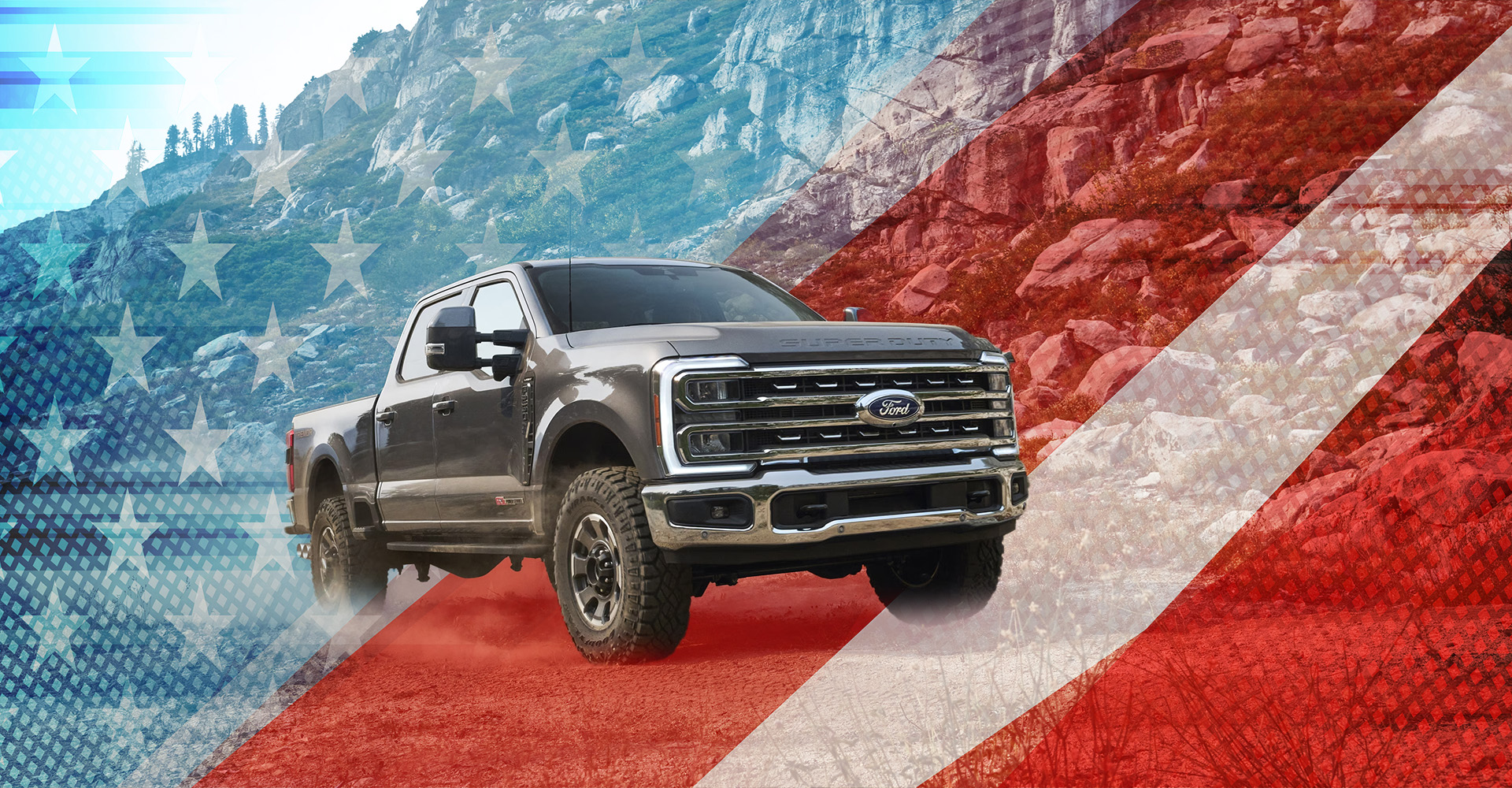
Shop the Event Before It Ends July 6, 2026
The AMERICAN VALUE. FOR AMERICAN VALUES. Employee Pricing Event is only available for a limited time, from May 1, 2026, through July 6, 2026. Inventory and eligibility may vary, so now is the time to explore your options.
Visit Palmetto Ford in Charleston, SC, give us a call, or browse our new Ford inventory online today. However you choose to shop, our team is ready to help you take advantage of Employee Pricing on select eligible new Ford vehicles during this limited-time Ford event.
New Car Incentives: How To Save

Decoding Dealer Incentives
Shopping for a new vehicle often feels simple until the pricing breaks down into rebates, APR offers, lease ads, and dealer discounts. For many buyers, understanding new car incentives is what turns a confusing ad into a smart purchase decision.
The right offer can lower your out-the-door price, reduce your monthly payment, or cut thousands in interest over the loan term. This guide explains how dealer incentives work, who qualifies, where to find current vehicle specials, and how to compare deals without missing the fine print. Learn more at Palmetto Ford and browse our current specials online today!
What New Car Incentives Are and Why They Matter
A new-car incentive is an offer that reduces the cost of buying or leasing a vehicle. It may come directly from the automaker, a captive finance company, or from our dealership.
These offers usually appear as cash rebates, customer cash, bonus cash, APR financing, or lease specials. Some reduce the selling price directly, while others lower borrowing costs or create a more attractive advertised payment.
The difference matters because each incentive changes the deal in a different way. A factory rebate cuts the price, promotional APR reduces interest, and dealer incentives may add a local discount based on inventory clearance goals.
Incentives become especially important when MSRP rises, rates change, or supply tightens. A strong offer can make a Ford much more competitive from one month to the next.
Common Types of Vehicle Specials
Shoppers will often see customer cash, bonus cash, low APR financing, lease deals, loyalty offers, conquest offers, military rebates, and college graduate programs. Each one affects total cost, monthly payment, and eligibility requirements.
How Manufacturer Incentives Differ From Dealer Incentives
A manufacturer incentive usually comes from the automaker or its captive finance arm. These programs often include a factory rebate, special APR cash, special lease cash, or a national finance promotion for well-qualified buyers. Dealer incentives differ because they are set locally by each store. A dealer discount may reflect inventory levels, sales targets, aging stock, or a desire to beat nearby competitors on the same model. Regional offer structures also matter. A ZIP code offer can change what you see online, which is why one store may advertise a stronger deal than another on an identical vehicle trim.
Factory Offers vs. Local Dealer Specials
Factory incentives come directly from the manufacturer and are often available nationwide, while regional programs may vary by market. Our dealership also offers local specials based on inventory and seasonal promotions. In many cases, these dealer discounts can be combined with manufacturer incentives, and our team will help you identify the best combination to maximize your savings.
The Main Types of New Car Incentives You Will See
Most new vehicle specials fall into a few familiar categories. The key is knowing whether the offer lowers the purchase price, reduces finance charges, or simply changes the payment structure. Some incentives can be combined, while others are mutually exclusive. A buyer may have to choose between a cash rebate and a promotional APR, especially when 0% APR financing is involved.
Cash Rebates and Customer Cash
A cash rebate is a direct discount applied to the transaction. Customer cash, factory rebate, and bonus cash all reduce the amount financed or the final purchase price. Variations include loyalty rebate offers for current owners and conquest cash for buyers switching brands. These can be valuable, but they often require proof of current registration or ownership.
Low and 0% APR Financing Offers
APR financing promotions reduce the loan’s interest rate. A low rate or 0% APR financing can save a buyer more than a rebate when the loan amount is large and the term is long. These deals usually require strong credit scores and lender approval. In many cases, only well-qualified buyers receive the advertised rate.
Lease Specials
A lease special promotes a low monthly payment for a set term. The ad may look attractive, but it often includes a required down payment, mileage limits, and fees due at signing. Buyers should compare the total lease cost, not only the payment. Lease cash and special lease cash can improve the deal, but they do not erase end-of-lease obligations.

Targeted Incentives
Targeted programs include a military rebate, a first responder discount, a college graduate rebate, and mobility assistance. These offers require proof of eligibility and may be limited to certain models or financing methods.
How to Read a Vehicle Special Without Missing the Fine Print
The headline number in a vehicle ad rarely tells the full story. Fine print explains the expiration date, model year, vehicle trim eligibility, financing assumptions, and whether the offer applies only at participating stores. It is also important to check whether promotions are stackable incentives or an either-or choice. That single detail can change the deal’s real value by a wide margin.
Important Fine-Print Terms to Check
Review residency restrictions, ZIP code targeting, credit tier rules, down payment assumptions, and dealer participation language. Also, confirm whether the ad applies to the exact trim, drivetrain, and model year you want.
Rebate or Low APR Financing: Which Incentive Saves More
At our dealership, we help customers look beyond the monthly payment and focus on what really matters: the total amount paid over time.
Some offers include a larger cash rebate, which immediately lowers the amount you finance. Others feature a low promotional APR, which reduces the interest you pay throughout the life of the loan. Both can be valuable, but the better choice depends on several factors, including your loan term, credit profile, amount financed, and current bank or credit union market rates.
For example, if you secure a short-term loan or a competitive rate through outside financing, the rebate may deliver greater overall savings. In other cases, the low APR option may reduce the total cost of the loan.
That’s where our team comes in. We’ll walk you through both options and help you compare them clearly so you can see which path saves you more. You can also use our online auto loan calculator to enter the vehicle price, rebate amount, APR, and loan term to view the total cost side-by-side.
Our goal is simple: help you choose the incentive that truly saves you the most.
When a Rebate Makes More Sense
A rebate often wins when the cash discount is large and outside financing is already competitive. It can also be better for buyers who make a larger down payment or use a strong trade-in value to reduce the balance.
When Promotional APR Makes More Sense
A promotional APR can be more favorable when you finance a large amount over a long period. On expensive SUVs, trucks, and EVs, 0% APR financing or a very low rate may beat a modest rebate by a wide margin.
How Lease Incentives Work
Lease incentives are built around several moving parts, not just the advertised payment. The most important factors are the money factor, residual value, cap cost reduction, lease term, and any lease cash applied to the deal.
A high residual value usually lowers the monthly payment because the vehicle is expected to retain more value. A lower money factor also helps, since it reduces the finance charge in the lease calculation.
Many low-payment ads require a significant cash down payment at signing. That cap cost reduction may make the monthly number look better, but it increases your upfront cost and can hide the real value of the lease special.
Lease Terms That Affect Real Cost
Check the mileage allowance, acquisition fee, wear-and-tear standards, and disposition fee. Also review what happens at lease end, including excess mileage charges and any purchase option terms.
Who Qualifies for New Car Incentives
Not every offer is open to every shopper. Many incentives depend on credit score, lender approval, current brand ownership, military status, student status, employment, or geographic location.
That is why two buyers can ask about the same make and model and receive different pricing. One may qualify for loyalty or conquest programs, while another may only be eligible for the basic manufacturer incentive.
Preparation helps avoid surprises at the dealership. Gather documents before you visit so the store can verify eligibility quickly and quote the right numbers. Our goal is to make sure you receive every incentive you qualify for, with clear, transparent numbers from the start.
Typical Eligibility Requirements
Common documents include current loyalty rebate registration, proof of competing brand ownership for conquest cash, military ID for a military rebate, diploma or transcript for a college graduate rebate, and financing approval for APR offers. Some programs also require proof of residence, employment, or insurance.
The Best Time to Shop for Dealer Specials
At our dealership, timing can make a great offer even better. Certain times of the year naturally create stronger opportunities for savings, and our team works hard to bring customers the most competitive specials when those moments arrive.
For example, month-end and quarter-end are often when dealerships introduce some of their strongest incentives as sales teams work to reach important targets. You’ll also see exciting promotions during major holiday sales events, when manufacturers and dealerships collaborate to offer limited-time deals.
Another excellent time to shop is during a model year changeover. When the next model year begins arriving on our lot, we often increase discounts on remaining inventory to make room for new arrivals and help customers secure exceptional value.
Because incentives and manufacturer programs change frequently, some offers may appear, update, or expire from week to week. If you’re getting close to purchasing, our team can help you track the latest specials and notify you when the timing is right, so you don’t miss a great opportunity.
Why Leftover Inventory Can Offer Better Value
Leftover inventory often carries larger rebates, APR specials, or dealer markdowns. If the changes between model years are minor, an older model year can deliver better value with similar features and a lower selling price.

How to Compare New Vehicle Specials Across Brands
A smart comparison goes beyond the ad headline. Look at the out-the-door price, APR, monthly payment, loan term, down payment, and likely total cost of ownership.
A larger rebate on one vehicle may still be lost to a lower-interest deal on another. That is especially true when comparing sedans, trucks, hybrids, electric vehicle incentives, and SUV deals across brands.
Resale and financing flexibility also matter. A lower payment on a long-term loan can cost more overall, while a slightly higher payment on a shorter-term loan may build equity faster.
Questions to Ask Before Choosing a Deal
Smart shoppers often ask important questions before committing to a vehicle offer—like whether an incentive applies to the exact trim they want, if it can be combined with trade-in discounts, or when the promotion expires. It’s also wise to confirm whether a quote includes taxes, fees, dealer add-ons, and any required conditions.
At our dealership, you don’t have to figure this out on your own. Our team walks you through every detail of your offer, answers your questions clearly, and provides a full breakdown of pricing and incentives. We make sure you understand exactly how your deal works, so you can move forward confidently, knowing there are no surprises along the way.
Mistakes Shoppers Make With Car Incentives
One of the most common mistakes is focusing only on the monthly payment. A low payment can come from a longer loan term, a large down payment, or a lease with strict mileage limits rather than true savings. Another mistake is assuming every listed discount applies automatically. Many ads include loyalty rebates, conquest cash, or targeted programs that only a narrow group can claim. Buyers also miss costs hidden outside the incentive itself. Fees, add-ons, financing markups, and weak trade-in value can erase the benefit of a strong rebate.
No Guesswork. No Surprises. Just Straightforward Offers.
Many promotional ads in the auto industry can include unusually high due-at-signing amounts, limited trim eligibility, or discounts that depend on hard-to-qualify-for bonuses. That’s why shoppers are often encouraged to read the fine print carefully and ask for a full written breakdown. At our dealership, you don’t have to stress about sorting through confusing offers. Our team walks you through every detail clearly, from incentives and eligibility to upfront costs, so you know exactly what’s included and what you truly qualify for. No hidden conditions, no complicated fine print, just transparent pricing and straightforward guidance you can trust.
A Simple Process for Choosing the Right Incentive
Start by choosing the exact model, trim, and model year you want. Once you’ve found your ideal vehicle, our team will help confirm which rebates, financing offers, and exclusive programs you may qualify for before you even step into the dealership.
Next, compare your savings options. Use our online auto loan calculator to see how a rebate stacks up against low-APR financing. If leasing interests you, we’ll walk you through key details like the money factor, residual value, mileage allowance, and upfront costs so you can choose with confidence.
When you’re ready, get pre-approved online in just a few minutes, making your visit faster, easier, and focused on driving home in the vehicle you love.
Checklist Before Visiting Our Dealer
Bring financing quotes, a trade-in estimate, proof for targeted incentives, your driver’s license, insurance details, and any registration documents needed for loyalty or conquest offers. Finding the right incentive doesn’t have to be complicated when you have the right team on your side. At our dealership, we’re here to guide you through every option, explain the details clearly, and help you take advantage of every rebate, finance offer, or special program you qualify for.
Start your journey today at Palmetto Ford by exploring our inventory, using our online tools, or getting pre-approved in minutes. Then visit our dealership and let our team help you turn the perfect incentive into the perfect deal on your next vehicle!
FAQs
Can anyone qualify for 0% APR financing on a new car?
Usually not. These offers are typically reserved for well-qualified buyers with strong credit, and approval can vary by lender, model, term, and region.
What is the catch with 0% APR financing offers?
The tradeoff is often giving up a cash rebate or other discount. The offer may also be limited to select trims, shorter terms, or top credit tiers.
Should I take a rebate or a low APR car deal?
It depends on the rebate amount, the amount financed, your credit profile, and the loan term. Compare the total paid under each option before deciding.
How big should my down payment be on a new car?
A larger down payment lowers the amount financed and can reduce monthly costs. The right amount depends on your budget, trade-in equity, and whether keeping cash on hand matters more.
What is the true cost of a new car incentive deal?
It includes the selling price, taxes, fees, interest, required down payment, and any conditions tied to the offer. For leases, include mileage limits, fees, and end-of-term charges.
The best incentive is not always the biggest number in the ad. The strongest deal is the one that fits your credit, driving needs, budget, and long-term ownership plan.
Contact our team at Palmetto Ford to determine which of our new car incentives fit your budget today!
Lease Or Buy Used? Make The Right Choice

Smart Used Car Financing and Leasing Decisions
Deciding whether to lease a new car or buy used is one of the most important financial decisions in car buying today, especially in a competitive car market. At Palmetto Ford, many car buyers come in weighing their personal finance goals against daily driving needs and wondering whether to lease a new car or buy used for their next vehicle. The choice affects your monthly car payment, how long you keep the vehicle, and what kind of flexibility you have when it is time for your next car.
When you think about whether to lease a new car or buy used, you are really choosing how you want to pay for a vehicle over the long term and how much control you want over car ownership. Maybe you want lower monthly payments so you can free up cash for other financial decisions, or you are willing to take on higher monthly payments for a shorter period so you own the vehicle outright for a long time. Either way, Palmetto Ford can help you compare the pros and cons of leasing new or buying used so you feel confident you are making the right choice.
How Leasing New And Buying A Used Car Differ
For many drivers, the first step is understanding leasing a new car vs. buying a used car in simple terms. When you lease or buy used, you either pay to use the new car for a set lease term or pay toward full car ownership. With a lease agreement, you are essentially paying for the new car’s value that you use during the lease period, plus a money factor that functions similarly to an interest rate. Your monthly lease payment is based on the vehicle’s depreciation during the lease term, its residual value at the end of the lease term, and your credit score.
Leasing new tends to provide low monthly payments or lower monthly payments than a comparable used car loan, which is why many car buyers ask if they should lease new or buy used when they want a newer vehicle or even an electric vehicle with advanced safety features. Your lease contract and terms will spell out details such as mileage restrictions, what constitutes excessive wear, and any fees at the end of your lease term. At the end of the term, you usually decide whether to return the leased car, buy the leased vehicle for its residual value, or move into your next vehicle.
Buying works differently. When you choose to take out a used car loan, your loan payments are based on the sale price of the used vehicle, your down payment, the interest rate, and any finance charges. Over time, you build equity, and once the loan balance is paid off, the car’s value, resale value, and cash value all belong to you. Instead of thinking only in terms of leasing vs. short commitments, you are planning for longer-term use and full car ownership.

Financing Options And Where You Get Your Loan
Whether you lease new or buy used, how you finance the deal matters. For a purchase, you can work directly with our finance center, apply through a credit union, or check rates with your bank. Your credit score influences your interest rate, loan term options, and the total finance charges you pay over time. Some drivers roll fees and taxes into the used car loan, while others prefer to pay them upfront with a credit card or cash to keep loan payments lower.
Leases have their own structure. Leasing terms usually require the first month’s payment due at signing, along with fees. Your lease agreement details how the money factor and residual value are calculated and what happens at the end of the lease term. If you want to move into a different vehicle at the end of the term, leasing new can make it easier to change cars without worrying about trading in an old car, selling to a third-party buyer, or negotiating a car’s worth on your own.
Why A Used Vehicle Can Work For Your Budget
One of the biggest reasons drivers ask whether to lease new or buy used is the value a used vehicle can offer. A new vehicle takes its largest hit in value during the first few years on the road, which is why a vehicle’s depreciation is such an important part of the conversation. When you focus on a quality used vehicle, that early drop has already happened, which often means a good deal on the purchase price based on a lower starting car’s value.
If you keep the car for a long time, buying can maximize trade-in value and resale value later, especially when the vehicle stays in good condition and has a reasonable number of miles for its age. For shoppers thinking about fuel economy, an electric vehicle or efficient gas model can reduce long-term fuel costs, especially over a longer-term ownership plan. When you weigh whether to lease new or buy used, remember that maintenance costs and repair costs also play a role. Depending on the vehicle, you may still have a manufacturer warranty or an extended protection plan available, which can help manage future expenses and keep your personal finance goals on track.
Buying A Used Car For Long-Term Value
If you want to keep your vehicle for a long time and drive without thinking about mileage restrictions, buying a used car can be a strong path forward. When you buy used and choose the purchase route, your higher monthly payments early on are building ownership and equity. Once the loan balance is gone, you have a paid-off vehicle you can drive for a long time with no loan payments at all. That freedom appeals to many drivers focused on long-term financial decisions.
Buying also gives you more flexibility in how you use the vehicle. You can customize the interior, install accessories, and use the car as you like without worrying about excessive wear penalties in a lease agreement. Over time, you control how you manage the vehicle, whether you keep it as an extra old car for backup, use it as a trade-in value toward your next car, or sell it for cash value. For many, purchasing becomes the right choice over any leasing or buying used question.
Cost Of Ownership vs. Cost Of Leasing
To decide whether to lease new or buy used, it helps to compare the total cost of ownership against the total lease cost. Leasing often focuses on keeping your monthly car payment lower. You might see low monthly payments promoted heavily, and for good reason: they can free up money month to month. However, when the lease period ends, you either return the vehicle or buy it for its residual value, which may mean starting a new loan or another lease.
With a purchase, your monthly car payment may be higher at first, but once the loan term ends, you own the vehicle outright. You can drive it for years with no lender involved while still benefiting from its car worth if you decide to sell. Maintenance costs and repair costs become your responsibility, particularly after the manufacturer’s warranty runs out, but you also get full control over car ownership decisions. We can help you model how different loan term options and used-car loan structures affect your monthly payment and total paid over time.

How Lifestyle And Driving Habits Affect Your Decision
Your day-to-day routine should also influence whether you lease new or buy used. If you drive short distances, work from home, or mainly commute locally, lease terms with mileage restrictions might still fit well. Drivers who always enjoy having a newer vehicle with up-to-date safety features and technology often lean toward leasing new, especially when they see a good deal that lines up with their personal finance goals.
On the other hand, if you take frequent road trips, have a long commute, or simply like to keep a vehicle for a longer-term stretch, buying can eliminate worries about mileage limits or lease-end charges. For some, especially those who plan to keep their next vehicle for a long time, the pros and cons of leasing become less attractive compared with owning and driving the same car for many years. We can help you compare leasing new vs. buying a used car with real numbers so you see how each path affects your overall budget.
Getting Expert Help At Our Dealership
You do not have to figure out whether to lease new or buy used on your own. The team at Palmetto Ford works with car buyers every day who are comparing leasing new vs. purchasing used, weighing loan payments, and trying to choose between short commitments and long-term ownership. Our finance specialists can explain leasing terms in detail, from how your money factors are calculated to what happens at the end of your lease term, and can also walk you through used car loan options from our lender network and local partners like your preferred credit union.
When you sit down with the experts at Palmetto Ford, you can review your credit score, discuss whether using a credit card for certain fees makes sense, and look at different scenarios around a vehicle’s depreciation, trade-in value, and a car’s value over time. We will help you see how loan balance, lease period, and end of the term choices affect your overall plan, so whether you decide to lease new or buy used, you feel informed and in control. If you are ready to explore car lease deals, review leasing offers, or simply talk through options for your next car in good condition with strong fuel economy, Palmetto Ford is here to help you find a great deal that fits your needs.

Car Loan Rates for New and Used Vehicles
When you shop for your next car at Palmetto Ford, understanding how new vs. used car interest rates work is just as important as picking a trim or color. Car buyers who know the key difference between a new car loan vs. used car loan can match their budget, lifestyle, and personal finance goals more easily to the right vehicle. In this article, we’ll explain how loans work, what shapes the Annual Percentage Rate, and how your financial situation and car-buying journey influence your options for car ownership.
Many drivers wonder how new vs. used car interest rates affect the total cost of a vehicle over the life of the loan. While new car loans can sometimes come with lower interest rates, used car loans may pair slightly higher interest rates with a lower price, which changes the total amount you pay. When you understand how interest rates connect to your credit score, trade-in value, and loan structure, it becomes easier to make informed decisions about your next vehicle.
How Lenders Compare Rates on New and Used Vehicles
When you apply for financing, lenders start by considering whether you are shopping for a new vehicle or exploring used vehicles. That single distinction drives much of the new vs. used car interest rates conversation, as lenders evaluate risk differently for new and used car loans; a key difference in how they design loan offers and auto loan options.
Your credit score, income, and current debts all help determine whether you qualify for a lower rate or face higher interest rates. Shoppers with good or excellent credit usually qualify for more competitive rates, while a first-time buyer may pay more until they build a stronger credit history. Many new car buyer profiles, especially those with stable records on accounts such as a credit card or car insurance, can qualify for flexible terms that make new vs. used car interest rates look especially appealing on new car loans.
It’s common for car buyers to ask, “Is it easier financing a new or used car?” At Palmetto Ford, the answer depends on your overall financial situation and personal finance priorities. Some lenders design auto financing programs that favor new vs. used car financing, while others are more open to used car financing if the vehicle is newer in model year and has strong resale value. By reviewing average interest rate charts and current rates with our team, you can see exactly how new vs. used car interest rates change from one lender to another.
Why New Vehicles Often Have Lower APRs
New vs. used car interest rates often tilt toward new vehicles because they are considered less risky. A new vehicle generally carries a higher sticker price, but it also comes with factory coverage that helps manage repair, wear-and-tear, and maintenance costs in the first year. Because these models typically hold stronger resale value in tools like Kelley Blue Book, lenders are more comfortable offering lower interest rates and even special APR promotions for certain model-year options.
Manufacturers sometimes pair new car loans with promotional auto loan options that feature competitive rates and flexible terms. When you compare those offers to new vs. used car interest rates on similar vehicles, the combination of a lower rate and incentives can reduce total interest over years of ownership. Even with a higher sticker price, the total cost can stay manageable if you structure the loan carefully and avoid stretching into higher monthly payments that strain your budget.
New vehicles also offer the latest features, technology, and safety features that many drivers want in a dream car. For shoppers who plan a long span of years of ownership, the rapid depreciation that occurs early on matters less, especially when new vs. used car interest rates are favorable. Choosing a shorter loan term can keep the life of the loan aligned with your goals while you enjoy peace of mind from warranty coverage and predictable maintenance schedules.

What To Expect From Rates on Used Vehicles
Used vehicles often carry higher interest rates than new models, largely because there is more uncertainty around wear and tear and repair costs. However, the lower sales prices of used models can offset the new vs. used car interest rate differential for many buyers at Palmetto Ford. A reduced car cost and lower price mean you may finance a smaller total amount, which can keep both total interest and monthly payments in check.
When you explore used-car financing, vehicle history reports, like those provided by CARFAX®, become vital. These reports show whether a previous owner maintained the vehicle, if major accidents occurred, and how the odometer has climbed over time. Clean vehicle history reports and strong resale value estimates can reassure both you and the lender, which may narrow the spread between new vs. used car interest rates. Palmetto Ford can also help estimate trade-in value on an old car, which effectively reduces the amount you need to finance on your next car.
Shoppers should also factor in additional fees and any third-party products they consider. Rolling extra warranties, protection plans, or fees into the loan can change the way new vs. used car interest rates affect your total cost. Some drivers choose to pay for certain items separately rather than putting them on a credit card or folding them into financing, especially if they want to keep new vs. used car interest rates focused solely on the vehicle’s price.
Looking Beyond APR: Term Length And Total Cost
While comparing new vs. used car interest rates is important, it is only part of the picture. The structure of the loan, including term length and down payment, plays a big role in your total cost over time. A lower rate on a very long term can still generate more total interest than a slightly higher rate set on a shorter loan term.
Using an auto loan calculator from Palmetto Ford can help you see how new vs. used car interest rates affect your budget in real numbers. You can adjust down payment amounts, test a shorter loan term versus a longer one, and see how lower monthly payments compare to options that focus on faster payoff. This tool helps translate new vs. used car interest rates into clear projections of monthly obligations and total interest for the entire life of the loan.
For some shoppers, the right choice is the structure that keeps cash flow comfortable with lower monthly payments. Others prefer to prioritize a quicker payoff, even if that means accepting higher monthly payments for a while. By balancing new vs. used car interest rates with your income, savings, and other goals, you can align financing with your broader car-buying journey and long-term plans.
Choosing Between New And Used At Palmetto Ford
Deciding between new and used comes down to matching new vs. used car interest rates and pricing to your priorities. If you want the latest technology, the latest features, and a fully customizable experience, a new vehicle can be a good idea. Promotional programs can pair current rates with flexible terms, making it easier to design a payment plan that fits your lifestyle while you enjoy that new car feeling from the driver’s seat.
On the other hand, many shoppers find that used models offer a strong value play, especially when depreciation rates have already slowed. A carefully selected used vehicle can feel like a good deal when you combine a lower price with reasonable new vs. used car interest rates and solid ownership history. For buyers who are rebuilding credit or shopping for their first-time purchase, used car loans may present auto loan options that keep car costs down while still delivering the space, performance, and features they want.
In either case, Palmetto Ford is here to walk through how new vs. used car interest rates intersect with model year, mileage, and years of ownership. We help you look at total cost, from fuel and maintenance costs to expected repair costs and car insurance, so you can see how each option supports your personal finance goals. That way, when you pick your next vehicle, you’ll know you have considered every key difference that could affect your budget and day-to-day car ownership.
How Palmetto Ford Helps You Compare Options
We make it easy to navigate new vs. used car interest rates by pairing clear explanations with real numbers. Our finance team reviews your credit score and credit report with you, then shows how various loan offers from our network translate into actual payments. You can compare auto financing programs for both new car loans and used car financing side by side, seeing how new vs. used car interest rates and additional fees change your total amount financed and total interest paid.
We also help you evaluate auto loan options from our partners and any third-party lenders you might be considering, always keeping your financial situation and personal finance objectives in focus. Using our in-store and online tools, you can explore how new vs. used car interest rates will feel over the life of the loan before you sign anything. Whether you are trading in an old car, shopping as a new car buyer, or planning an upgrade to your next car, our goal is to keep every step clear.
From your first questions about new vs. used car interest rates to the moment you choose the right choice for your next vehicle, Palmetto Ford works to keep you informed and comfortable. When you are ready to move toward your dream car, you will be able to step into the showroom knowing exactly how loans work, how to weigh higher prices against a lower rate or lower price against higher interest rates, and how each decision shapes your long-term car ownership experience. Visit us today in Charleston, SC!
Connect with us


- July 2026
- June 2026
- May 2026
- March 2026
- February 2026
- December 2025
- November 2025
- September 2025
- June 2025
- May 2025
- April 2025
- March 2025
- February 2025
- January 2025
- December 2024
- November 2024
- October 2024
- September 2024
- August 2024
- July 2024
- June 2024
- April 2024
- March 2024
- January 2024
- November 2023
- September 2023